MWE Correspondent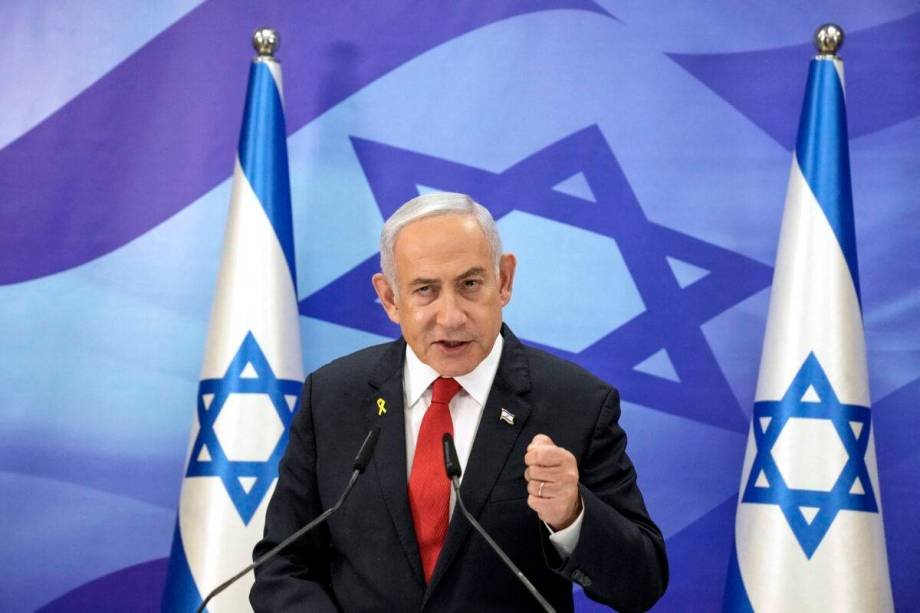
Israeli Prime Minister Benjamin Netanyahu has issued one of his strongest warnings yet to regional militant groups, declaring that there will be “no immunity” for those he describes as enemies of Israel following a deadly Israeli strike in southern Beirut that reportedly killed a senior Hezbollah commander.
The remarks have sharply intensified tensions across the Middle East at a moment when fragile hopes for calm were already under pressure after weeks of military confrontations, diplomatic uncertainty and fears of wider regional escalation.
Speaking after the operation, Netanyahu signaled that Israel is prepared to continue targeting militant leaders beyond its borders if it believes national security is under threat. His statement reflected Israel’s increasingly aggressive security posture as fighting and cross-border tensions continue to reshape the region’s political landscape.
“There is no immunity for anyone threatening Israel,” Netanyahu said, reinforcing the government’s message that military operations against Hezbollah and allied groups will continue despite growing international concern over escalation.
The Israeli strike in southern Beirut marked the first major attack on the Lebanese capital’s southern suburbs since a ceasefire period was announced last month. The area is widely regarded as a stronghold of , the powerful Iran-backed armed movement that has remained at the center of regional tensions involving Israel and .
According to Israeli military officials, the target of the strike was a Hezbollah field commander allegedly linked to operations against Israeli interests. Lebanese sources and regional media reported heavy explosions in the area, triggering panic among residents and raising fears that the fragile ceasefire could collapse entirely.
Also Read: Iran Pushes Peace Amid Rising War Fears
The attack immediately reignited concerns that the conflict could expand into a broader regional war involving multiple armed groups and foreign powers. Security analysts say southern Lebanon remains one of the most dangerous flashpoints in the Middle East, where even limited military operations carry the risk of rapid escalation.
For civilians living in Beirut’s southern districts, the renewed violence has revived painful memories of previous wars between Israel and Hezbollah. Families were seen fleeing neighborhoods following the strike as emergency teams searched damaged buildings and local hospitals prepared for casualties.
The operation also exposed the increasingly fragile nature of recent diplomatic efforts aimed at reducing violence in the region. International mediators had hoped the ceasefire announced last month could create space for negotiations and humanitarian relief, but the latest developments now threaten to undermine those efforts.
Hezbollah has not remained silent. Supporters of the group have vowed retaliation, while regional observers warn that any major response could trigger another dangerous cycle of attacks and counterattacks between the two sides.
The growing confrontation comes amid broader instability across the Middle East, where conflicts involving Gaza, Lebanon, Syria and Iran-linked groups have created fears of a wider geopolitical crisis. Governments across Europe, the Gulf and the United States are closely monitoring the situation, concerned that a deeper Israel-Hezbollah war could destabilize international trade routes, energy markets and regional diplomacy.
Netanyahu’s latest comments also reflect mounting political pressure inside Israel, where security remains the dominant national issue. Israeli leaders continue to argue that aggressive military operations are necessary to prevent future attacks and maintain deterrence against armed groups operating near Israeli borders.
Critics, however, warn that continued escalation risks pushing the region toward prolonged instability with devastating humanitarian consequences for civilians on both sides of the conflict.