MWE Correspondent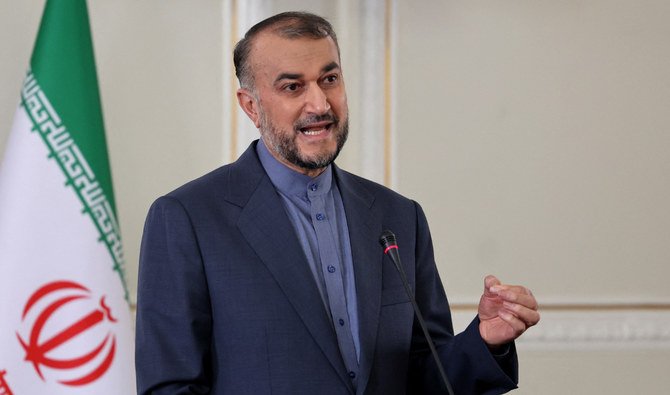
As fears of a wider Middle East war continue to grow, Iran has publicly declared that ending the conflict with Israel and the United States is now among its highest national priorities, signaling a potentially critical moment in one of the world’s most dangerous geopolitical confrontations.
In remarks that immediately drew global attention, Iranian Foreign Ministry spokesman said Tehran’s leadership is seeking not only an end to hostilities, but also a long-term and lasting solution capable of preventing the region from sliding deeper into chaos.
His comments come at a tense moment for international diplomacy, with Washington reportedly waiting for Iran’s official response regarding proposals aimed at reducing military tensions and opening the door to broader negotiations. Diplomats and intelligence officials across multiple capitals are closely monitoring developments, fearing that failure to secure progress could trigger a wider regional crisis stretching far beyond the Middle East.
Behind the political statements lies a growing humanitarian and economic fear shared across the region. Families in several countries are watching anxiously as military tensions, missile threats and naval confrontations continue to threaten stability around key international trade and energy routes. Markets remain sensitive to every diplomatic signal emerging from Tehran, Washington and Tel Aviv.
Also Read: Putin Defends War During Moscow Parade
For months, the confrontation has pushed the region closer to direct escalation. Military alerts, cross-border threats and fears surrounding the strategically vital Strait of Hormuz have raised concerns among world powers dependent on Gulf energy supplies. Analysts warn that even a limited expansion of the conflict could disrupt global oil markets, increase inflation and create wider international instability.
Iranian officials insist their country does not seek endless war. According to Baghaei, Tehran believes diplomacy remains possible if foreign military pressure stops and negotiations are approached with what Iranian leaders describe as mutual respect and realistic guarantees. Iran has repeatedly argued that meaningful talks cannot happen while threats and military operations continue simultaneously.
The United States, however, remains cautious. American officials are reportedly reviewing Tehran’s recent messages while seeking clearer commitments regarding de-escalation and future negotiations. Washington and its allies continue to demand stronger assurances related to regional security, missile activity and Iran’s broader strategic posture in the Middle East.
At the center of the crisis remains the long-standing distrust between Tehran and Washington — a relationship shaped by decades of political hostility, sanctions, military tensions and disputes over Iran’s nuclear activities. Israel has also maintained a hardline position against Iranian regional influence, arguing that Tehran’s military reach threatens regional stability and national security.
Despite the hostile atmosphere, diplomatic channels have not completely collapsed. Regional mediators and international partners are continuing behind-the-scenes efforts to reduce tensions before the situation reaches a point where direct military confrontation becomes unavoidable. Political observers say recent statements from Iran may reflect attempts to reopen diplomatic space while maintaining domestic political strength.
The crisis is being watched closely not only in the Middle East but also across Europe, Asia and Africa, where governments fear the economic consequences of prolonged instability. Rising energy prices, disrupted shipping routes and broader geopolitical uncertainty could affect millions of people far beyond the battlefield.
Inside Iran, many ordinary citizens are also expressing exhaustion over years of sanctions, economic hardship and regional tension. Across neighboring countries, civilians fear becoming trapped in another prolonged conflict capable of destabilizing an already fragile region.
For now, the world waits for Tehran’s next move.
Whether the coming days lead to negotiations or deeper confrontation may determine not only the future of relations between Iran, Israel and the United States, but also the stability of an entire region standing dangerously close to a much larger war.