MWE Correspondent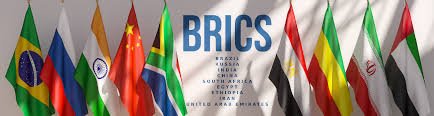
The BRICS bloc is entering a pivotal phase as its expanding membership tests the group’s ability to transform growing economic weight into meaningful global influence.
Once viewed primarily as a coalition of large emerging economies, BRICS is increasingly positioning itself as a platform through which developing nations seek a stronger voice in international finance, trade, and governance.
The significance of this transformation extends far beyond the member states themselves. Together, BRICS countries account for a substantial share of the world’s population, economic output, energy production, and commodity resources. The bloc’s expansion has strengthened its geographic reach across Africa, Asia, the Middle East, and Latin America, reinforcing its ambition to play a larger role in shaping the future international order.
Economically, the group is seeking to deepen cooperation in trade, investment, infrastructure, and financial development. Policymakers have increasingly focused on reducing barriers to commerce among member states while encouraging greater use of local currencies in cross-border transactions. Discussions surrounding BRICS economic cooperation have intensified as governments search for ways to strengthen economic resilience amid global uncertainty and shifting trade patterns.
The geopolitical implications are equally significant. The expansion of BRICS reflects a broader trend in which emerging economies are seeking greater representation within international institutions established during a different era of global economic power. Many member countries argue that governance structures within organizations such as the International Monetary Fund and the World Bank no longer fully reflect current economic realities. As a result, calls for reform have gained momentum across the developing world.
Trade remains a central pillar of the bloc’s agenda. Member countries are exploring opportunities to increase commercial exchanges, strengthen supply chains, and support industrial development through new investment partnerships. The growing importance of multilateral trade cooperation has become particularly evident as governments attempt to navigate rising geopolitical tensions and periodic disruptions to global commerce. By improving economic connectivity among member states, BRICS hopes to create new opportunities for growth while reducing vulnerabilities associated with external shocks.
Also Read. Russia Visit Promises Broad Tanzania Gains
Investment flows are also becoming increasingly important. Infrastructure development, energy projects, manufacturing expansion, and digital transformation initiatives are attracting attention from both public and private investors. The role of the New Development Bank continues to evolve as member states seek alternative sources of financing for large-scale development projects. Supporters argue that such institutions can complement existing global financial frameworks while providing additional options for developing economies.
The broader global context helps explain the bloc’s growing appeal. Many emerging economies are seeking greater strategic flexibility as competition between major powers intensifies. Rather than aligning exclusively with any single geopolitical camp, governments are increasingly pursuing partnerships that support national development priorities while preserving policy independence. This approach has contributed to rising interest in BRICS among countries seeking new economic and diplomatic opportunities.
However, challenges remain. The bloc includes countries with diverse political systems, economic structures, and foreign policy priorities. Balancing these differences while maintaining a coherent agenda will be essential if BRICS is to achieve its long-term objectives. Questions also persist regarding the pace of institutional reform, economic integration, and the practical implementation of ambitious policy goals.
Looking ahead, the success of BRICS will depend on its ability to translate political aspirations into measurable outcomes. Progress in trade, infrastructure, finance, and technological cooperation could strengthen the group’s international influence. Failure to deliver tangible results, however, could raise doubts about its effectiveness as a vehicle for emerging economy cooperation.
The broader message is becoming increasingly clear.
As economic power becomes more widely distributed across regions, emerging economies are demanding a greater role in shaping the institutions and rules that govern global affairs.
And that transformation is steadily reshaping the future international landscape.