MWE Correspondent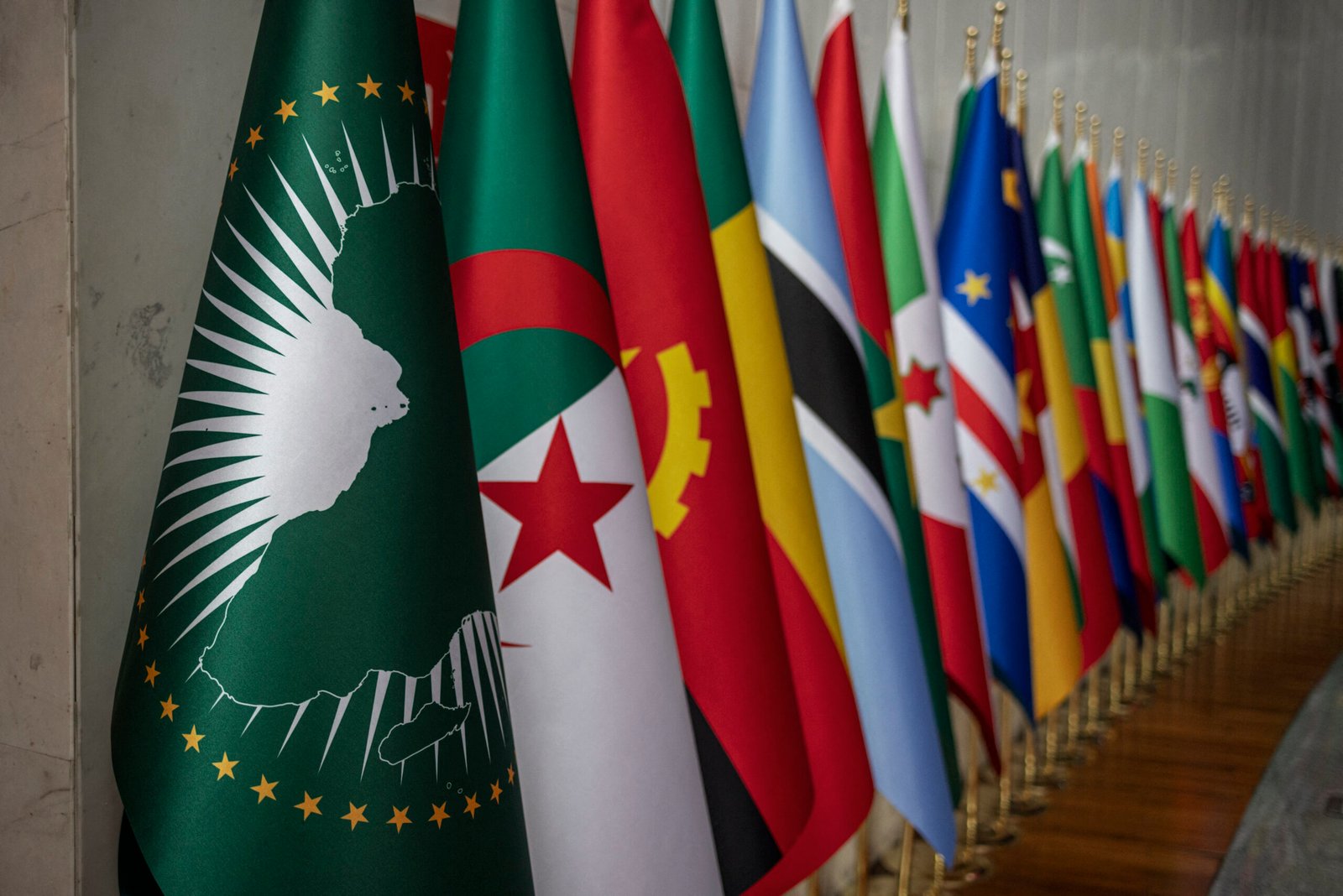
As global powers intensify competition for influence across Africa, governments on the continent are increasingly transforming that rivalry into an opportunity to advance their own economic and strategic interests, signalling a significant shift in Africa’s role within international diplomacy.
The renewed diplomatic push by French President Emmanuel Macron, who is expected to visit Nigeria, Côte d’Ivoire and Senegal later this year, has drawn attention to a broader geopolitical trend that extends beyond France’s efforts to strengthen ties with Africa.
Rather than viewing the continent as an arena where foreign powers compete for influence, analysts say many African governments are adopting a more assertive foreign policy that prioritises national interests while engaging multiple international partners simultaneously.
The approach marks a departure from decades in which many African countries maintained close political and economic relationships with a limited number of traditional allies.
Today, African nations are expanding cooperation with a diverse group of global partners, including China, Russia, the United States, the European Union, India, Türkiye and Gulf states, reflecting a growing determination to diversify investment, strengthen economic resilience and increase diplomatic flexibility.
The shift comes as Africa’s strategic importance continues to rise.
Home to some of the world’s largest reserves of critical minerals, vast agricultural resources, rapidly expanding consumer markets and the youngest population of any continent, Africa has become central to global discussions on energy security, industrial development, technology and supply chains.
These advantages have attracted unprecedented international interest, with major economies competing to secure long-term partnerships in mining, infrastructure, renewable energy, manufacturing, digital technology and agriculture.
Rather than aligning exclusively with one geopolitical bloc, many African governments are pursuing what foreign policy experts describe as multi-alignment—maintaining productive relations with a wide range of international partners while preserving strategic autonomy.
Also Read, Africa Courts Gulf Powers For Strategic Investment
Nigeria, Africa’s largest economy, has strengthened commercial and investment partnerships with countries across Europe, Asia and the Middle East while continuing to position itself as a regional economic leader.
In Côte d’Ivoire, economic reforms and infrastructure development have attracted growing international investment, reinforcing the country’s status as one of West Africa’s fastest-growing economies.
Meanwhile, Senegal has expanded cooperation with multiple international partners as it prepares to develop its emerging oil and natural gas industries, while also redefining aspects of its long-standing relationship with France.
The continent’s evolving diplomatic strategy has become increasingly evident in the Sahel, where military-led governments in Mali, Burkina Faso and Niger have significantly altered their foreign and security policies, ending defence agreements with France and pursuing closer cooperation with alternative partners.
At the same time, Russia has expanded political, security and economic engagement with African nations through successive Russia–Africa Summits, while China continues to strengthen its presence through infrastructure financing, industrial investment and trade.
The United States, European Union, Türkiye and Gulf countries have also intensified diplomatic outreach, recognising Africa’s growing importance to the global economy and future supply chains.
Political analysts argue that the growing competition among external powers has strengthened Africa’s negotiating position.
Instead of competing for access to Africa, many global powers are now competing to offer more attractive investment packages, financing mechanisms, technology partnerships and development initiatives.
This shift has enabled several African governments to negotiate infrastructure projects, industrial investments and trade agreements on terms that better reflect their national development priorities.
However, economists caution that increased international interest alone will not guarantee sustainable growth.
They argue that long-term benefits will depend on strong institutions, transparent governance and policies that ensure foreign investment contributes to industrialisation, employment creation, technology transfer and value addition within African economies.
As diplomatic activity across the continent continues to accelerate, analysts believe Africa is entering a new chapter in its international relations—one in which it is no longer defined by external competition but increasingly shapes that competition through strategic decision-making and diversified partnerships.
For many observers, the significance of Macron’s upcoming West African tour lies not only in France’s efforts to strengthen its ties with the continent but also in what it reveals about Africa’s changing position in global affairs.
Increasingly, the continent is no longer merely the destination of global diplomacy. It is becoming one of its principal architects, using international competition to pursue economic growth, strengthen political independence and expand its influence in an increasingly multipolar world.