MWE Correspondent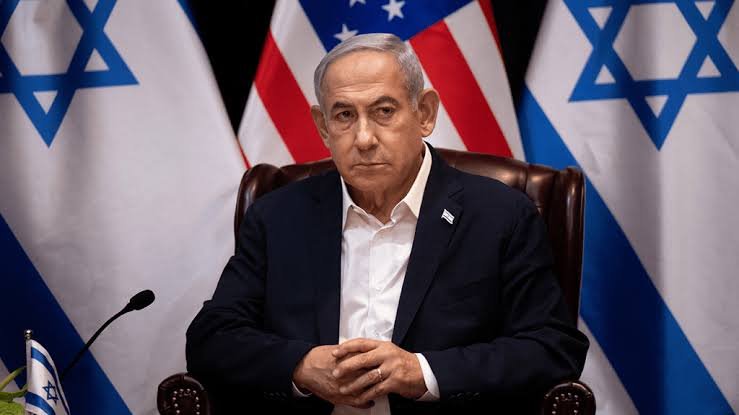
Israeli Prime Minister Benjamin Netanyahu has warned that his country is facing a growing “battle for the hearts and minds” of young Americans as criticism of Israel continues to increase across parts of the United States.
Netanyahu’s remarks come amid growing debate in American society over Israel’s policies, the war in Gaza, and Washington’s longstanding relationship with the Israeli government. He argued that changing attitudes among younger generations represent a significant challenge for Israel’s global image and future support, particularly in the United States, its most important international ally.
The concern follows a recent NBC poll indicating that a large majority of Generation Z Americans aged 18 to 29 express greater sympathy toward Palestinians than Israelis. The findings reflect a broader generational divide in how younger Americans view the Israeli-Palestinian conflict compared with older generations.
According to Netanyahu, the shift is especially visible on university campuses and social media platforms, where discussions surrounding the Gaza war have intensified. He has argued that Israel must engage more effectively with younger audiences to explain its position and counter what it views as growing anti-Israel narratives.
The issue has become one of the most politically sensitive debates in the United States, creating divisions among lawmakers, activists, students, and communities across the country.
Critics of Israel have pointed to images and videos from Gaza showing the humanitarian impact of the war on civilians, arguing that Israeli military operations have caused unacceptable suffering and calling for stronger pressure on the Israeli government.
Also Read, Africa’s Critical Minerals Are Redefining Global Power
Meanwhile, supporters of Israel maintain that the country has the right to defend itself against armed groups, particularly following attacks by Hamas and other militant organisations. They argue that Israel’s military actions are aimed at protecting its population and eliminating security threats.
Since the war in Gaza began in 2023, public opinion in the United States has become increasingly divided. Younger Americans, in particular, have shown stronger support for Palestinian rights and greater criticism of Israel’s military actions compared with previous generations.
Political analysts say the change reflects several factors, including increased access to information through social media, greater focus on humanitarian issues among younger voters, and changing attitudes toward American foreign policy.
However, experts caution against concluding that American public opinion has completely shifted away from Israel. They argue that views on foreign policy remain complex and can change depending on security developments, political leadership, media coverage, and future events in the Middle East.
The United States remains Israel’s closest ally, providing extensive military assistance, diplomatic support, and economic cooperation. For decades, bipartisan support for Israel has been a central feature of American foreign policy, although disagreements over the scale and conditions of that support have become more visible in recent years.
The growing generational divide has raised questions about the future of the US-Israel relationship. While older generations have traditionally maintained stronger support for Israel, younger Americans are increasingly demanding a different approach, including greater attention to Palestinian rights and accountability for actions taken during conflicts.
For Israel, the challenge is not only managing immediate criticism but also addressing how future generations of Americans understand its policies, security concerns, and role in the Middle East.
Netanyahu’s comments highlight a broader struggle taking place beyond diplomatic meetings and political institutions — a contest over public opinion, historical narratives, and the future direction of one of the world’s most significant international partnerships.