MWE Correspondent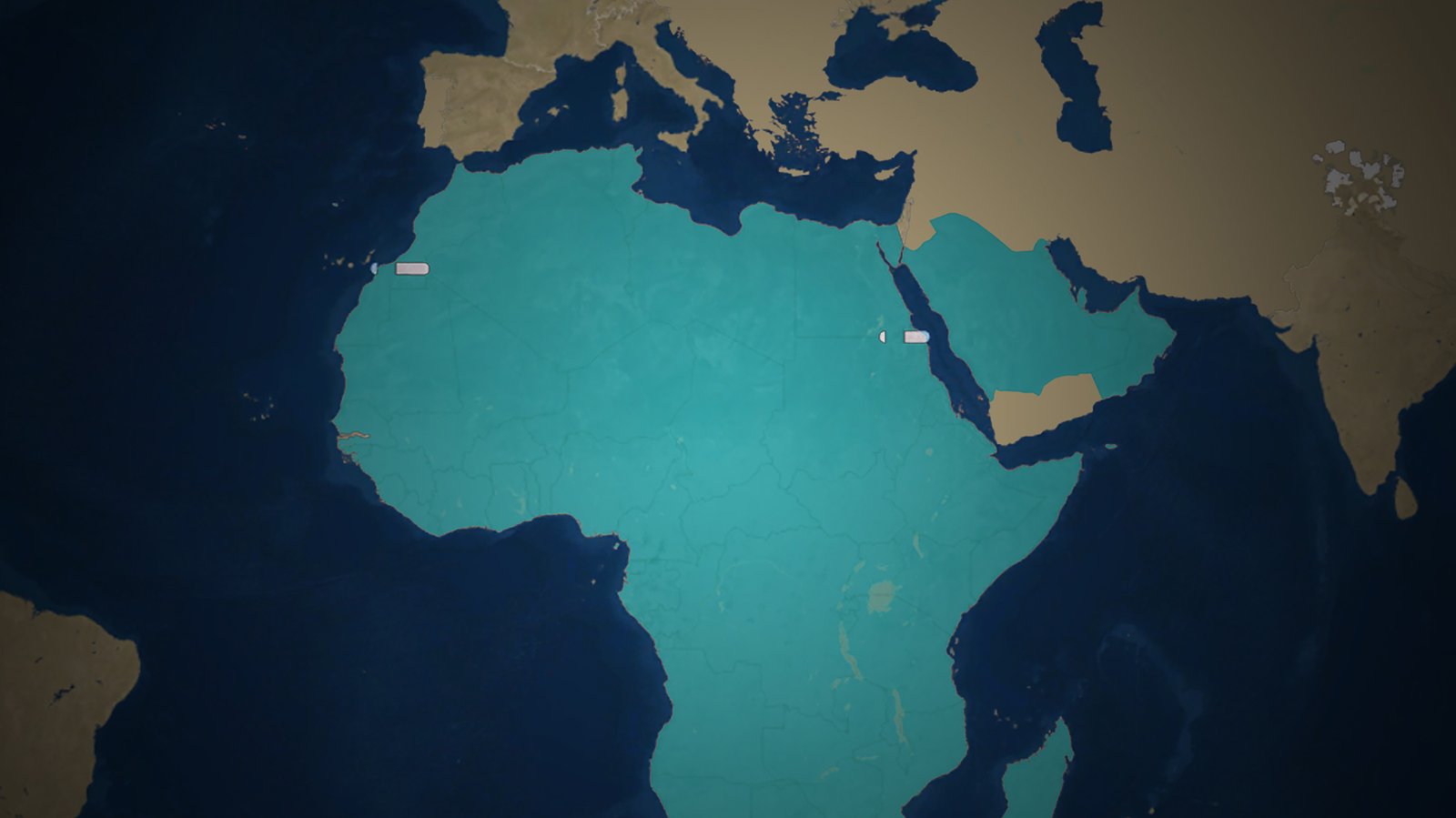
The signing ceremony lasted only a few minutes.
Around the table sat government officials, business executives and investment leaders discussing billions of dollars in projects that could reshape trade routes, energy infrastructure and industrial development across Africa.
Scenes like this are becoming increasingly common.
Over the past few years—and with growing momentum throughout 2026—Gulf countries including the United Arab Emirates, Saudi Arabia and Qatar have expanded their economic engagement across Africa, investing in ports, renewable energy, agriculture, logistics, mining and financial services.
For Gulf governments, Africa represents one of the world’s most promising investment frontiers.
For African nations, the Gulf’s growing interest presents an opportunity to attract long-term capital, diversify international partnerships and accelerate economic transformation.
The relationship is evolving beyond traditional trade.
It is becoming increasingly strategic.
Driven by economic diversification plans, food security concerns and ambitions to become global investment hubs, Gulf economies are seeking stronger commercial ties with fast-growing African markets.
At the same time, Africa’s youthful population, expanding consumer base, strategic maritime location and abundant natural resources have made the continent an increasingly attractive destination for international investors.
This convergence of interests is reshaping diplomatic and economic relations between the two regions.
Across East Africa, Gulf investors have participated in port development, logistics infrastructure and aviation projects designed to improve regional connectivity.
In North and West Africa, renewable energy, industrial parks and financial services have attracted increasing investment, while agricultural partnerships continue expanding in several countries.
These projects reflect a broader shift in how Gulf nations view Africa—not merely as a trading partner but as a long-term strategic economic ally.
The growing engagement has also intensified international competition.
China remains one of Africa’s largest infrastructure and mining partners.
The European Union continues strengthening investment through initiatives focused on sustainable development.
The United States has expanded commercial engagement aimed at building resilient supply chains and encouraging private-sector investment.
Against this backdrop, Gulf countries are positioning themselves as flexible partners capable of mobilising capital quickly while supporting large-scale infrastructure and industrial projects.
Also Read, US-Iran Conflict Escalates as Strait of Hormuz Faces New Crisis
This has elevated Strategic Investment into a defining feature of modern diplomacy.
Investment is no longer measured only by financial returns.
Increasingly, it is also viewed as a means of strengthening political relationships, securing trade routes and expanding long-term economic influence.
For African governments, this changing environment provides greater negotiating power.
With more international partners competing for opportunities, policymakers have a stronger position from which to negotiate agreements that promote technology transfer, local employment and domestic industrial development.
Economists argue that the quality of investment is becoming just as important as its quantity.
Large financial commitments can support economic growth, but their long-term impact depends on transparent governance, local participation and sustainable implementation.
This has strengthened calls for Economic Partnership based on mutual benefit rather than dependency.
African leaders increasingly emphasise that international investment should help build local industries, strengthen supply chains and develop skilled workforces capable of supporting long-term economic transformation.
Regional integration further enhances these opportunities.
The African Continental Free Trade Area (AfCFTA) offers investors access to a growing continental market while encouraging production and value addition within Africa.
Businesses that establish manufacturing and logistics operations on the continent are increasingly viewing Africa not only as a destination for exports but also as a production base serving regional and international markets.
Challenges remain.
Infrastructure gaps, regulatory uncertainty and financing constraints continue to affect investment decisions in parts of the continent.
Competition among global powers also requires African governments to carefully balance economic opportunities with national development priorities.
Analysts caution that attracting investment should not become an end in itself.
The ultimate objective is sustainable economic transformation.
Projects that expand industrial capacity, improve infrastructure, transfer technology and create skilled employment are more likely to deliver lasting benefits than investments focused solely on resource extraction.
The growing partnership between Africa and the Gulf therefore represents more than an increase in financial flows.
It reflects a broader realignment of global economic relationships in which emerging regions are building new connections beyond traditional centres of power.
For Africa, the opportunity is historic.
The continent is no longer waiting for investment to arrive.
It is increasingly shaping the terms on which global partnerships are formed.
As Gulf capital flows into African industries and infrastructure, the success of this new chapter will ultimately depend not on the size of the investments—but on how effectively they help build a more resilient, industrialised and economically sovereign Africa.