MWE Correspondent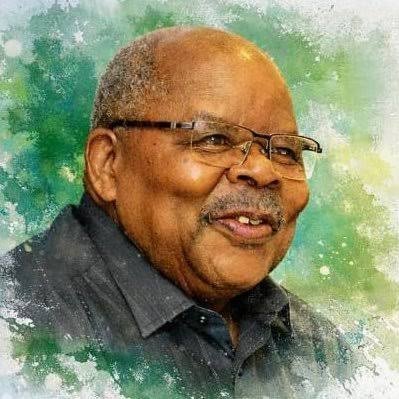
Six years after the death of former President Benjamin William Mkapa, Tanzanians are today reflecting on the legacy of a leader whose decade in office reshaped the country’s economic direction, strengthened regional diplomacy and left a lasting mark on public service.
Mkapa, Tanzania’s third president, died on the night of July 23, 2020, at the age of 81 while receiving medical treatment in Dar es Salaam. His death was announced by then President John Pombe Magufuli, who declared seven days of national mourning, describing him as a patriotic leader who had dedicated his life to serving the nation.
Born on November 12, 1938, in Lupaso Village, Masasi District in southern Tanzania, Mkapa began his career as a journalist before joining public service. He later held several senior government positions, including Minister of Foreign Affairs, before winning the presidency in Tanzania’s first multi-party general election that resulted in a peaceful transfer of executive power in 1995.
Serving from 1995 to 2005, Mkapa inherited an economy undergoing structural adjustment and pursued wide-ranging reforms aimed at restoring macroeconomic stability. His administration accelerated the privatisation of state-owned enterprises, strengthened tax administration, liberalised key sectors of the economy and implemented policies designed to attract foreign investment. During his tenure, Tanzania experienced sustained economic growth, declining inflation and improved relations with international financial institutions and development partners.
Also Read. Africa Courts Gulf Powers For Strategic Investment
His government also invested heavily in education, healthcare, infrastructure and public financial management, while introducing reforms intended to improve efficiency and accountability across government institutions. Although some of his economic policies, particularly privatisation, generated debate, supporters argued they modernised Tanzania’s economy, while critics questioned their social impact and the sale of strategic public assets.
Beyond domestic affairs, Mkapa emerged as one of Africa’s respected diplomatic figures. After leaving office in 2005, he became actively involved in regional peace initiatives, serving as a mediator in conflicts across the continent, including political negotiations in Burundi and efforts to support peace processes in the Great Lakes region. His diplomatic work earned recognition from regional organisations and international partners, reinforcing Tanzania’s long-standing reputation as a contributor to African peace and stability.
Mkapa also remained influential in governance and development discussions after retirement through the Benjamin William Mkapa Foundation, which focuses on strengthening healthcare systems, improving access to quality medical services and supporting health professionals, particularly in underserved communities across Tanzania.
As the nation commemorates the sixth anniversary of his passing, family members have organised a memorial prayer service scheduled for this evening at St. Mary’s Immaculate Parish in Upanga, Dar es Salaam, the church where the former president worshipped.
Across Tanzania, political leaders, former colleagues, diplomats and ordinary citizens continue to remember Mkapa as a disciplined public servant whose leadership combined economic reform with active regional engagement. His presidency remains an important chapter in Tanzania’s post-independence history, and his influence continues to be felt in the country’s institutions, economic policies and diplomatic tradition.
Six years after his death, Benjamin William Mkapa is remembered not only as a former president, but as a statesman whose vision extended beyond national borders and whose contributions continue to shape Tanzania’s development and Africa’s pursuit of peace.