MWE Correspondent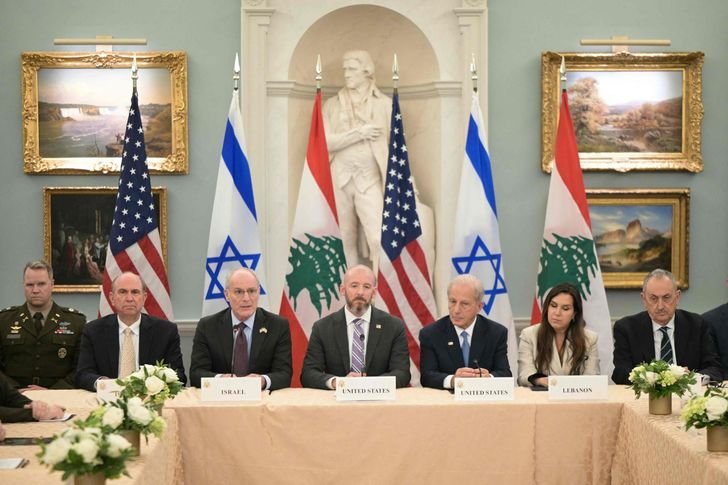
A fragile ceasefire agreement between Israel and Lebanon has raised cautious international hopes for a broader diplomatic breakthrough involving Iran and the United States, as regional powers intensify efforts to prevent the Middle East from sliding deeper into conflict.
The agreement, announced after months of escalating cross-border violence and military confrontation involving Israeli forces and Hezbollah fighters in southern Lebanon, is being viewed by analysts as a potentially critical opening for wider regional de-escalation.
The development comes amid ongoing indirect negotiations between Washington and Tehran, where diplomatic efforts have focused on reducing tensions linked to regional security, military escalation, and Iran’s broader relationship with the United States and its allies.
In a significant political signal, U.S. President Donald Trump said his administration could reach an agreement with Iran as early as this weekend, suggesting that negotiations may be entering a decisive phase despite continuing public skepticism from Tehran.
Iranian officials, however, have downplayed expectations of an imminent breakthrough, insisting that no major progress has yet been achieved in the talks and warning against what they describe as premature optimism from Washington.
Also Read: Congo Ebola Survivor Emerges Amid Deadly New Outbreak
At the centre of the regional tensions is Lebanon, where fighting between Israel and the Iran-backed Hezbollah movement has threatened to widen into a larger regional war involving multiple actors across the Middle East.
For months, Hezbollah has linked any broader diplomatic easing with the United States and Israel to a halt in Israeli military operations inside Lebanon, positioning the conflict as part of a larger geopolitical confrontation involving Iran’s regional influence and security alliances.
Political analysts say the ceasefire could create space for renewed diplomacy at a time when fears of direct regional escalation remain high following repeated military exchanges, airstrikes, and threats involving Israel, Hezbollah, Iran, and allied armed groups across the region.
The latest developments are also attracting intense international attention because of the strategic importance of the Middle East to global energy markets, international shipping routes, and wider geopolitical stability.
Diplomatic observers caution that while the ceasefire may reduce immediate military tensions, the underlying political and security disputes driving the conflict remain unresolved, including Iran’s regional role, Hezbollah’s military activities, and long-standing hostilities between Tehran and Israel.
The United States has continued pursuing diplomatic channels with Iran while simultaneously supporting Israel’s security operations, a balancing approach that has complicated negotiations and drawn criticism from multiple regional actors.
Meanwhile, civilians in both Lebanon and northern Israel continue facing uncertainty after months of displacement, destruction, and fear caused by cross-border attacks and military escalation.
International mediators now hope that the ceasefire agreement could become the first step toward broader regional negotiations capable of lowering tensions across several interconnected conflicts currently shaping Middle Eastern geopolitics.