MWE Correspondent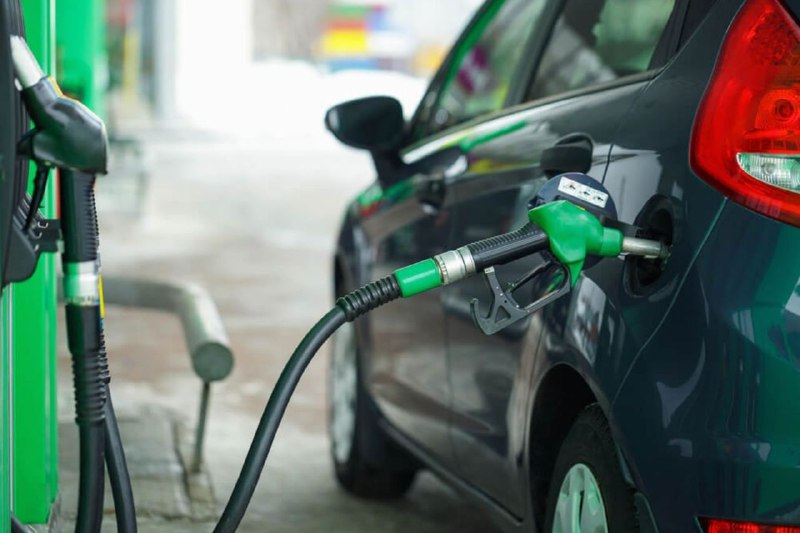
Global oil markets faced fresh pressure on Monday as crude prices jumped by more than 4 percent, driven by growing fears that escalating military tensions between the United States and Iran could threaten one of the world’s most important energy trade routes.
The rise in oil prices came as traders reacted to uncertainty surrounding the security of the Strait of Hormuz, a narrow but strategically vital waterway connecting the Gulf region to international markets.
The route is considered one of the most important chokepoints in global energy trade, with a significant share of the world’s crude oil and liquefied natural gas shipments passing through it every year.
Any disruption to shipping through the Strait of Hormuz could have immediate consequences for global energy markets, affecting fuel prices, transportation costs and inflation pressures in economies around the world.
Tensions increased after Iran announced that the Strait of Hormuz had been closed following renewed military confrontation with the United States.
However, US President Donald Trump rejected the claim, saying the strategic waterway remained open for commercial shipping and that international trade routes were still accessible.
The conflicting statements have increased uncertainty among energy traders, who are closely monitoring whether military developments could affect the movement of oil tankers through the region.
The Strait of Hormuz is located between Iran and Oman and serves as a critical passage for oil-producing countries in the Gulf.
Major energy exporters, including Saudi Arabia, Iraq, Kuwait, the United Arab Emirates and Qatar, rely on the route to transport petroleum products to global customers.
Because of its importance, even the possibility of restrictions or military incidents in the area can trigger immediate reactions in global oil markets.
Energy analysts say traders often respond not only to actual disruptions but also to fears that future events could reduce supply availability.
Also Read, Trump-Iran Crisis Deepens After Assassination Warning
The latest oil price increase follows a period of heightened confrontation between Washington and Tehran, with both sides exchanging threats and military actions.
The United States has accused Iran of destabilising regional security, while Tehran has accused Washington of aggression and violating its sovereignty.
The confrontation has raised concerns that a wider regional conflict could emerge, potentially involving other countries in the Middle East.Higher global oil prices could increase costs across several sectors, including aviation, manufacturing, transport and agriculture.
Countries that depend heavily on imported fuel may face additional pressure on foreign currency reserves and domestic fuel prices if the increase continues.
For consumers, rising energy costs can eventually affect the prices of goods and services because transportation and production expenses become more expensive.
Economists warn that prolonged instability in major oil-producing regions could slow economic growth and increase inflation risks worldwide.
Governments, energy companies and financial markets are closely watching developments as diplomatic efforts continue alongside military tensions.
The United Nations and several international actors have repeatedly called for restraint in conflicts that threaten global stability and energy security.
For now, markets remain highly sensitive to any announcement regarding military operations, shipping routes or diplomatic negotiations between Washington and Tehran.
The situation around the Strait of Hormuz has once again highlighted the vulnerability of the global energy system and how conflicts in strategic regions can quickly affect economies far beyond the Middle East.