MWE Correspondent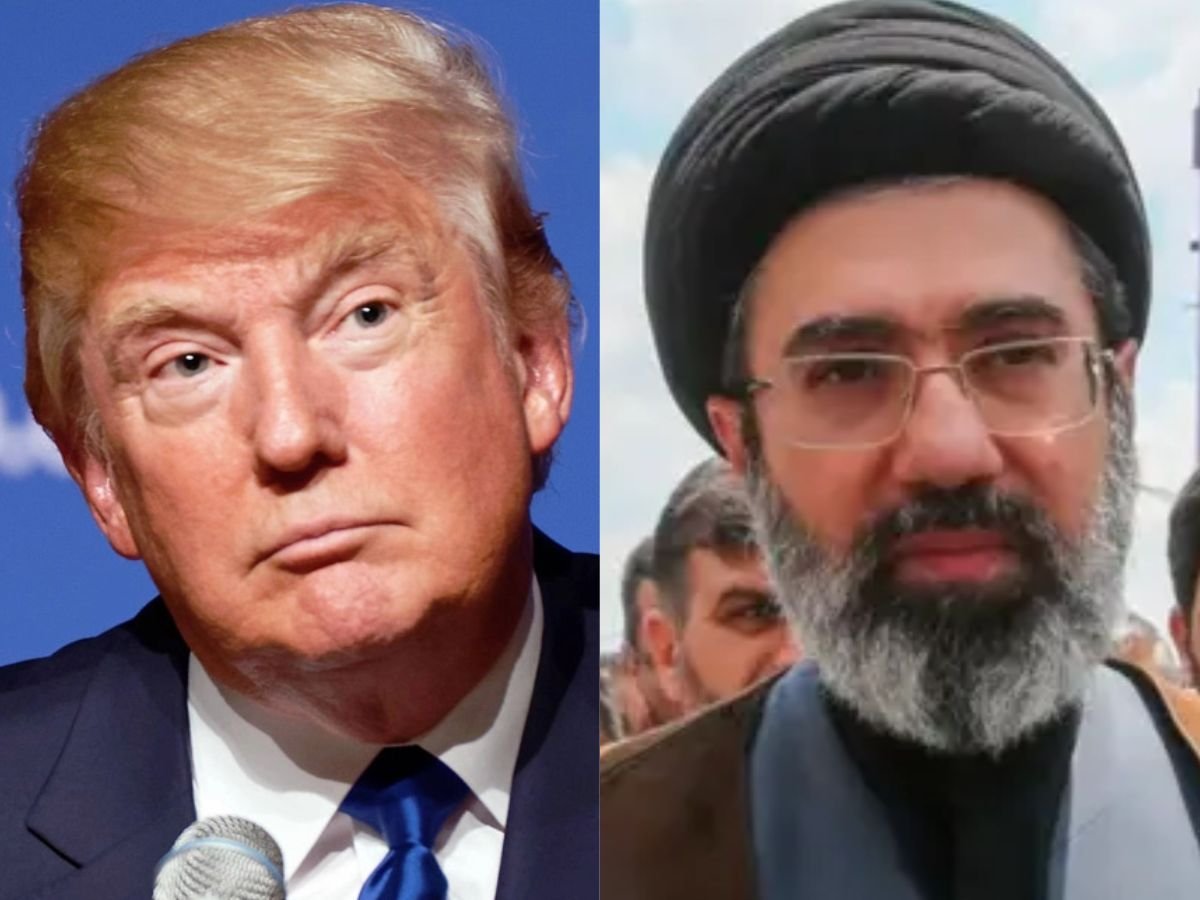
Tensions between the United States and Iran have entered a new phase after President Donald Trump issued a strong warning, saying Tehran would face major military consequences if it attempts to assassinate him.
In a statement posted on his Truth Social platform on July 10, 2026, Trump said he had already issued instructions to US security and military officials on the actions to be taken should any attempt be made to target him.
Trump warned that any involvement by Iran in an assassination plot would trigger a powerful response from Washington, stressing that the United States would use all necessary measures to protect its leadership and national security.
The warning has intensified fears of a wider confrontation between Washington and Tehran, two countries whose relationship has been marked by decades of hostility, economic sanctions, diplomatic disputes and military tensions.
The rivalry between the United States and Iran dates back to the 1979 Islamic Revolution, which ended the rule of Shah Mohammad Reza Pahlavi, a US ally, and brought a new government in Tehran that adopted a strongly anti-American position.
Since then, relations between the two nations have remained deeply strained, with disagreements ranging from Iran’s nuclear programme and regional influence to the presence of American military forces across the Middle East.
In 2015, Iran and major world powers reached a nuclear agreement aimed at limiting Tehran’s nuclear activities in exchange for sanctions relief. However, tensions increased after the United States withdrew from the agreement in 2018 under Trump’s first administration and reimposed economic sanctions on Iran.
Also Read, The Global South Is Reshaping The World Order
One of the most significant moments in recent US-Iran tensions was the killing of Iranian General Qassem Soleimani, the powerful commander of Iran’s Islamic Revolutionary Guard Corps (IRGC) Quds Force.
Soleimani was killed in January 2020 in a US drone strike near Baghdad International Airport in Iraq, an operation ordered by the Trump administration.
Following the strike, Iranian officials vowed retaliation against those responsible, while Washington increased security measures for senior officials amid concerns over possible revenge attacks.
The killing of Soleimani remains one of the key events shaping the security relationship between the two countries.
Security analysts say threats involving the assassination of a national leader can significantly increase tensions between rival countries and create the risk of miscalculations.
The United States possesses one of the world’s most advanced military capabilities, including powerful air forces, long-range missile systems and military bases across strategic regions.
Iran, meanwhile, maintains significant regional military influence through its missile capabilities, naval forces and relationships with allied groups across the Middle East.
Any direct confrontation between the two countries could quickly affect regional stability.
The Middle East remains one of the most strategically important regions in the world due to its energy resources and major trade routes.
A major escalation between the US and Iran could threaten oil markets, disrupt shipping routes and create economic uncertainty worldwide.
The Strait of Hormuz, located between Iran and Oman, is particularly important because a significant share of global oil shipments passes through the waterway.
Any disruption in the area could lead to rising energy prices and increased pressure on global economies.
Despite the increasingly harsh rhetoric from both sides, international observers continue to call for diplomacy to prevent a larger conflict.
Countries around the world have urged Washington and Tehran to seek solutions through negotiations rather than military confrontation, warning that a wider conflict could have devastating consequences beyond the region.
For now, Trump’s warning has opened a new chapter in the already tense relationship between the United States and Iran.
The world is watching closely to see whether the latest exchange of threats will serve as a deterrent against future attacks or become another step toward a deeper crisis in the Middle East.