MWE Correspondent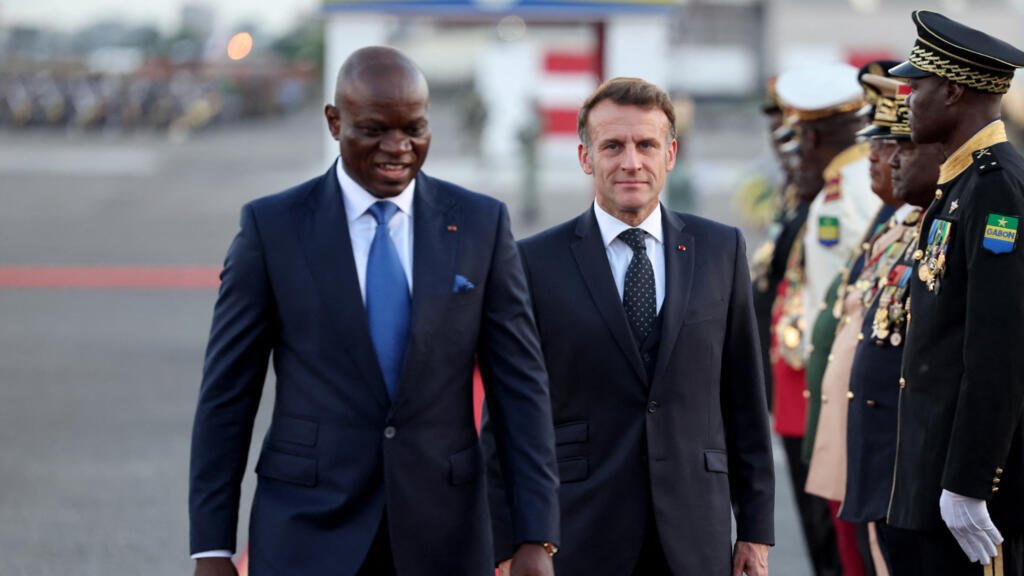
French President Emmanuel Macron is preparing for a high-profile tour of West Africa later this year, a diplomatic mission widely viewed as France’s most significant effort yet to rebuild its influence across a continent where its political, military and economic standing has eroded sharply in recent years.
Macron is expected to visit Nigeria, Côte d’Ivoire and Senegal, with the tour aimed at strengthening trade, investment, technology partnerships and regional security cooperation while redefining France’s relationship with Africa at a time of intensifying global competition for influence.
The visit comes against the backdrop of one of the most dramatic shifts in Africa’s geopolitical landscape since the end of the Cold War. Across much of the continent, governments are diversifying their foreign partnerships, reducing reliance on traditional Western allies and embracing a broader range of international partners, including Russia, China, Türkiye, the United Arab Emirates and India.
For decades, France occupied a privileged position in many of its former African colonies, maintaining close political, economic and military ties through defence agreements, development assistance and commercial investments. The relationship enabled Paris to exert considerable influence in regional affairs while supporting counterterrorism operations and economic cooperation.
That long-standing influence, however, has come under increasing pressure.
A series of military coups in Mali, Burkina Faso and Niger fundamentally altered the region’s political landscape. The new military governments terminated defence agreements with France, ordered the withdrawal of French troops and accused Paris of failing to contain extremist violence despite years of military engagement in the Sahel.
The withdrawal of French forces from those countries marked a historic turning point in France’s African policy and reflected growing public dissatisfaction with the legacy of its post-colonial presence. Demonstrations calling for the departure of French troops became increasingly common, while demands for greater national sovereignty and independent foreign policies gained momentum across several African nations.
At the same time, rival global powers have significantly expanded their engagement with Africa.
Russia has strengthened its diplomatic and security partnerships with several African governments while promoting closer cooperation in mining, energy, defence and trade through successive Russia–Africa Summits.
China has continued to deepen its economic footprint by financing large-scale infrastructure projects, including railways, ports, highways, industrial parks and energy facilities. Today, Beijing is among Africa’s largest trading partners and one of its most influential development financiers.
Also Read. Africa Courts Gulf Powers For Strategic Investment
Meanwhile, Türkiye and several Gulf states have steadily increased investments in aviation, construction, agriculture, renewable energy, healthcare and digital infrastructure, further reshaping the continent’s international partnerships.
The changing landscape has transformed Africa into one of the world’s most strategically important regions, not only because of its rapidly growing population and expanding consumer markets but also because of its vast reserves of critical minerals essential for the global energy transition and advanced technology industries.
Recognising these realities, Macron has sought to redefine France’s approach.
Rather than emphasising military engagement, Paris now presents itself as a partner focused on economic development, innovation and mutually beneficial cooperation. French officials have identified clean energy, digital technology, artificial intelligence, climate resilience, agriculture and the blue economy as key pillars of the country’s future engagement with Africa.
The shift also reflects growing recognition within France that its historical relationship with Africa must evolve if it is to remain a relevant partner in an increasingly competitive international environment.
Nigeria is expected to play a central role in Macron’s tour.
As Africa’s most populous nation and one of its largest economies, Nigeria represents a strategic partner for France in areas ranging from trade and energy to technology and regional security. Discussions are expected to focus on expanding commercial ties, supporting innovation and strengthening cooperation in addressing security challenges affecting West Africa.
In Senegal, Macron’s visit comes after significant changes in bilateral defence relations, including the gradual transfer of military facilities previously used by French forces. The discussions are expected to focus more heavily on private investment, education, innovation and sustainable economic growth than on traditional security cooperation.
In Côte d’Ivoire, where France has maintained strong commercial ties for decades, officials are expected to discuss new investment opportunities, industrial development and infrastructure projects designed to strengthen one of West Africa’s fastest-growing economies.
Despite France’s renewed diplomatic efforts, analysts caution that restoring its influence will require more than investment announcements or high-level visits.
Across Africa, governments are increasingly pursuing pragmatic foreign policies based on national interests rather than historical alliances. Many countries are expanding cooperation with multiple international partners simultaneously, seeking investment, technology transfer and security assistance from whichever nations best align with their development priorities.
Political analysts also argue that younger generations across Africa are demanding relationships built on equality, transparency and mutual respect, replacing the paternalistic models that many associate with the colonial and post-colonial eras.
For France, Macron’s tour represents more than a diplomatic visit—it is a test of whether Paris can successfully reposition itself in a rapidly changing Africa where influence is increasingly earned through economic partnership, innovation and respect for national sovereignty rather than historical ties.
As global competition for Africa’s markets, natural resources and strategic partnerships continues to intensify, the outcome of Macron’s visit could help shape France’s role on the continent for years to come while offering a broader indication of how international powers will engage with a more confident and increasingly influential Africa in the decades ahead.