MWE Correspondent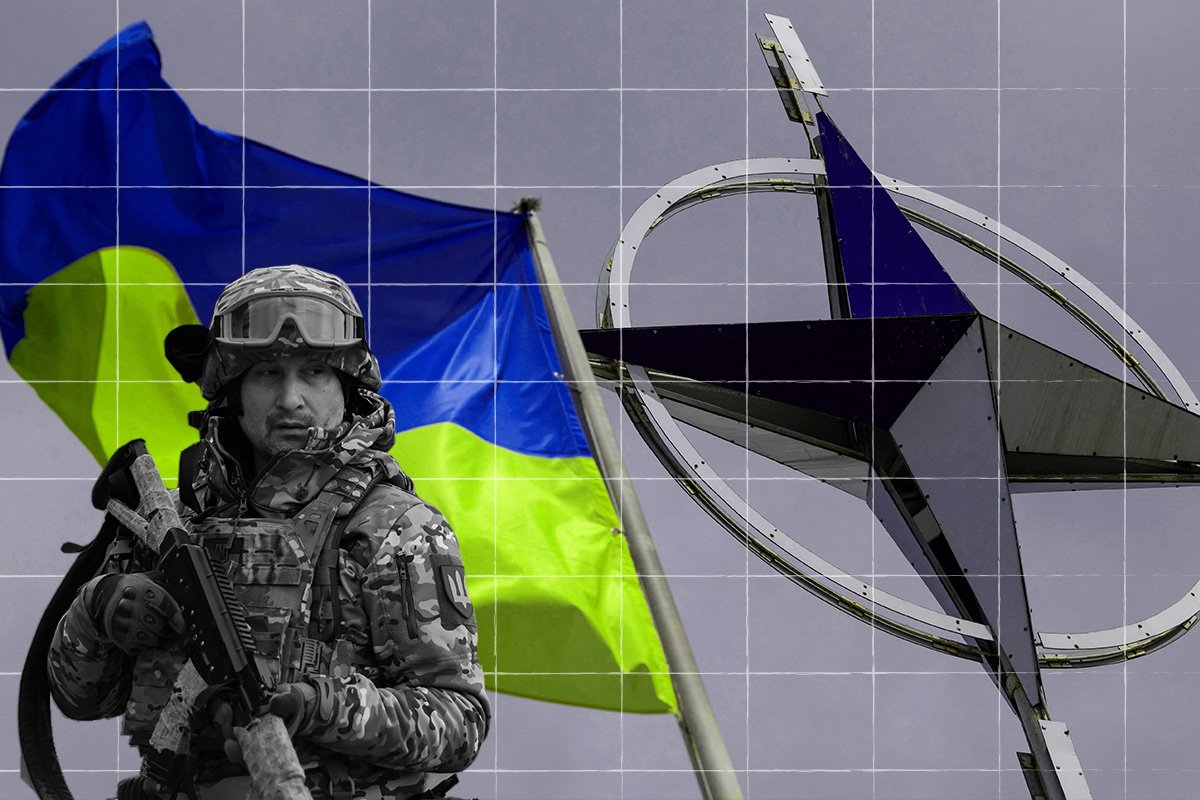
A newly announced wave of Western military assistance to Ukraine is reshaping calculations on both sides of the battlefield, as the war with Russia enters another difficult phase marked by attrition and shifting front lines.
Officials in Ukraine confirmed this week that fresh supplies of air defense systems, artillery ammunition, and armored support vehicles are expected to arrive in stages over the coming weeks. The package, coordinated largely through NATO partners, is intended to strengthen Ukraine’s defensive posture while preserving its ability to conduct limited counteroffensive operations.
For Ukrainian soldiers stationed along contested eastern sectors, the announcement offers cautious encouragement. Many units have faced ammunition constraints and increased drone activity in recent months. Reinforced air defense capabilities could help protect key infrastructure from missile strikes, particularly as energy facilities remain vulnerable.
Also Read; Gaza Ceasefire Talks Enter Decisive Stage
In Moscow, officials have criticized the additional assistance as evidence of continued Western escalation. Russian authorities argue that expanding military support prolongs the conflict and complicates diplomatic efforts. State media outlets have framed the aid as proof of broader geopolitical confrontation between Russia and Western alliances.
Beyond the official statements, the human dimension of the war remains stark. Families in Ukrainian cities continue to adapt to air raid alerts and damaged utilities, while communities in Russian border regions report disruptions from cross-border strikes. The conflict’s toll is measured not only in territory gained or lost, but in displacement, economic hardship, and psychological strain.
Military analysts suggest that the latest aid package may not dramatically alter the strategic balance, but it could influence operational tempo. Sustained supplies of ammunition and defensive equipment often determine whether front lines stabilize or shift incrementally. In prolonged conflicts, marginal advantages accumulate over time.
Diplomatic channels remain active, though largely exploratory. Some European leaders continue to call for renewed negotiations, while emphasizing that meaningful dialogue requires security guarantees acceptable to Kyiv. Ukrainian officials maintain that sovereignty and territorial integrity remain non-negotiable principles.
Meanwhile, global markets are watching closely. Energy prices and grain exports remain sensitive to developments in the region, particularly given Ukraine’s role as a major agricultural producer. Investors and policymakers alike recognize that prolonged instability in Eastern Europe carries ripple effects far beyond the battlefield.
For ordinary citizens on both sides, the hope is less about strategic positioning and more about an eventual return to normal life. Each announcement of new weapons or aid reinforces the reality that the conflict is far from resolved.
As military assistance continues to flow and diplomatic overtures struggle to gain traction, the trajectory of the war appears set for continued endurance rather than swift resolution. The coming months will likely test not only battlefield resilience, but the political will of all parties involved.