MWE Correspondent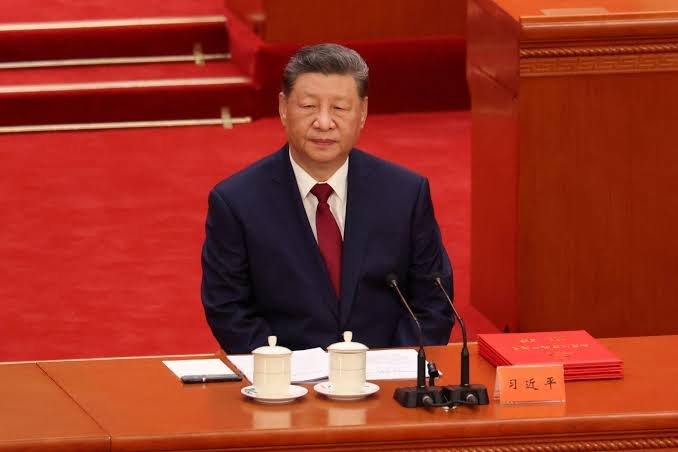
Chinese President Xi Jinping has unveiled an ambitious global artificial intelligence strategy, announcing new cooperation initiatives aimed at expanding AI development partnerships with ASEAN, BRICS members, Africa and Latin America as Beijing seeks to shape the future of the rapidly advancing technology.
Xi announced plans to establish AI cooperation centres with partner regions, creating platforms for technology exchange, research collaboration and capacity building as countries race to harness artificial intelligence for economic growth and social development.
As part of the initiative, China will provide 5,000 AI training opportunities to developing countries over the next five years, focusing on strengthening technical skills and helping nations build their own artificial intelligence capabilities.
The Chinese president said the programme is designed to support countries that risk being left behind in the global AI revolution, where access to advanced technology, skilled professionals and digital infrastructure is increasingly becoming a major factor in economic competitiveness.
Beyond training programmes, Xi announced plans to promote AI monitoring, early warning and response systems, areas aimed at improving the ability of governments and institutions to manage potential risks associated with artificial intelligence.
He stressed that while AI has the potential to transform industries, healthcare, education, agriculture and public services, the technology must remain guided by human responsibility.
Also Read, The Arctic Is Redefining Global Geopolitics
“Artificial intelligence should always remain under human control,” Xi said, emphasizing the importance of ethical governance and responsible innovation.
The announcement reflects China’s broader effort to strengthen its role in global technology governance at a time when major powers are competing for influence in artificial intelligence development.
For Africa and other developing regions, the initiative could provide opportunities for expanded access to AI knowledge, training and technological partnerships, while also raising discussions about data governance, digital sovereignty and ensuring that emerging technologies deliver benefits across societies.
As artificial intelligence becomes a defining force in the global economy, China’s latest move signals a push to position itself as a major partner in shaping how the technology is developed, regulated and shared internationally.