MWE Correspondent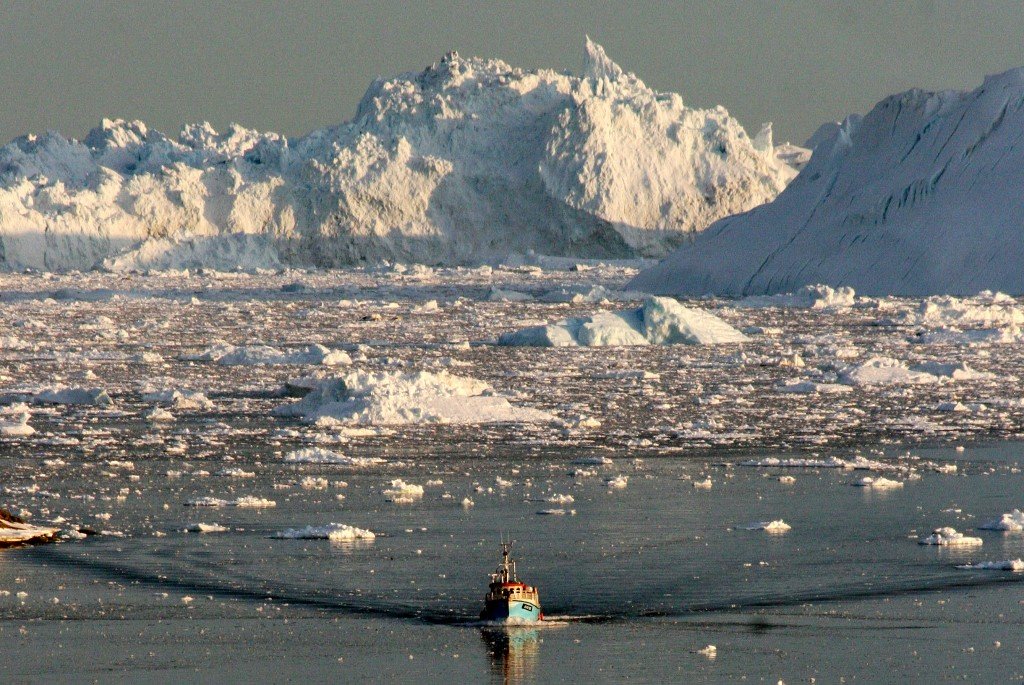
A region once defined by ice, isolation and extreme weather is rapidly becoming one of the world’s most strategically contested frontiers.
As Arctic ice continues to recede due to rising global temperatures, governments are accelerating efforts to strengthen their presence across the High North, where newly accessible shipping lanes and untapped natural resources are transforming the region into a focal point of geopolitical competition.
Throughout 2026, Arctic security has climbed higher on the international agenda as NATO members, Russia and China expand their economic, scientific and strategic interests in the region. Military exercises, infrastructure investment and research missions have all increased, reflecting growing recognition that the Arctic could play a defining role in the future balance of global power.
For decades, the Arctic was viewed primarily as an environmental concern.
Today, it is increasingly regarded as a strategic economic corridor.
The opening of the Northern Sea Route has drawn global attention because it offers a significantly shorter maritime connection between Europe and Asia than traditional routes through the Suez Canal. Although seasonal and environmental challenges remain, analysts believe continued ice loss could make Arctic shipping increasingly important over the coming decades.
For international shipping companies, shorter routes could reduce transport times and fuel costs.
For governments, they represent strategic leverage.
The Arctic is also believed to contain substantial reserves of oil, natural gas and Critical Minerals, many of which are essential for clean energy technologies, advanced manufacturing and defence industries.
As demand for these resources grows, countries are seeking greater access while balancing environmental concerns with economic ambitions.
Russia remains the dominant Arctic power geographically and has continued investing in ports, military installations and icebreaker fleets to strengthen its influence across the region. Despite ongoing geopolitical tensions, Moscow continues to regard the Arctic as central to its long-term economic and security strategy.
Meanwhile, NATO members—including Canada, the United States and Nordic countries—have expanded cooperation on Arctic defence, surveillance and infrastructure following heightened security concerns in Europe.
China, although not an Arctic nation, has also increased scientific research and commercial engagement under its “Polar Silk Road” strategy, viewing the region as an important component of future global trade networks.
These developments have elevated Arctic Security into a major issue in international diplomacy.
Security analysts warn that increased military activity, competing territorial interests and strategic infrastructure projects could heighten tensions if not managed through dialogue and international law.
At the same time, environmental organisations continue urging governments to ensure that economic development does not come at the expense of one of the planet’s most fragile ecosystems.
Climate change remains the driving force behind many of these geopolitical shifts.
The same environmental changes that are opening shipping lanes are also accelerating biodiversity loss, coastal erosion and risks to Indigenous communities whose livelihoods depend on Arctic ecosystems.
This has placed Climate Security at the centre of global policy discussions.
Increasingly, governments recognise that climate change is no longer solely an environmental issue.
It is also influencing international trade, migration, energy security and geopolitical competition.
Also Read, The ICC And The Global Struggle For Justice
For Africa, developments in the Arctic may appear geographically distant, but they carry important implications.
Changes in global shipping routes, commodity markets and energy supplies influence international trade patterns that affect economies around the world.
African exporters, importers and policymakers are therefore closely watching how the region’s transformation may reshape future commercial networks.
Experts caution that the Arctic’s future will depend on balancing economic opportunity with responsible governance.
International cooperation, scientific research and adherence to existing legal frameworks will be essential in preventing strategic competition from escalating into conflict.
The Arctic is no longer the frozen frontier it once was.
It is becoming one of the world’s most strategically important regions.
As ice retreats, global competition is advancing.
The decisions made in the Arctic over the coming years may shape international trade, energy security and geopolitical stability for decades to come.