Lyn Frans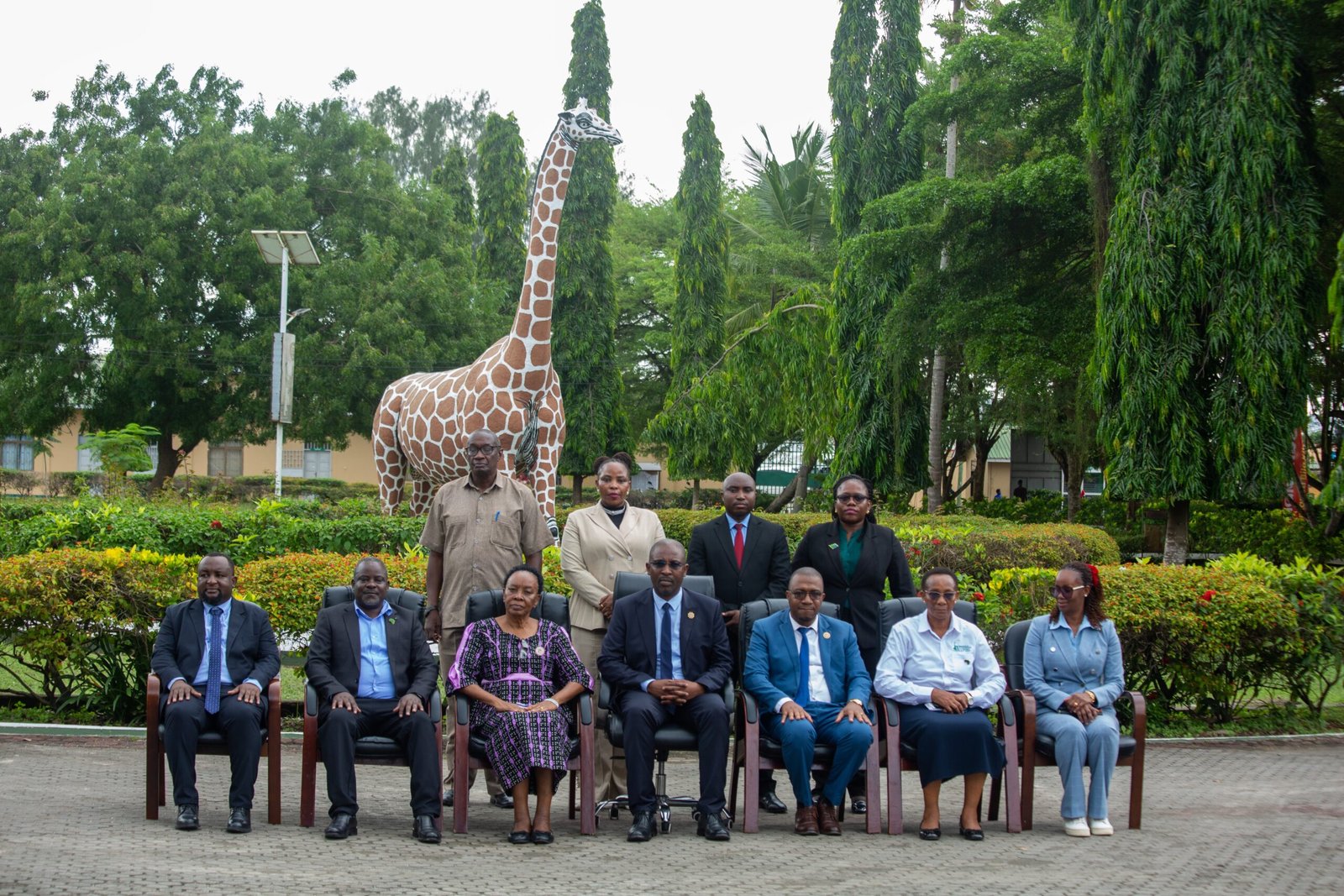
The Open University of Tanzania (OUT) has received strong recognition from the Council for Legal Education following an official inspection that highlighted significant improvements in academic delivery, digital learning systems, and institutional infrastructure within the Faculty of Law.
The assessment, conducted at OUT’s main campus in Kinondoni, Dar es Salaam, marked a key milestone in the university’s ongoing efforts to strengthen its position as a leading institution in open and distance learning. The visiting delegation noted that the university has made notable progress in creating an enabling academic environment supported by modern facilities and advanced pedagogical systems.
The Chairperson of the Council for Legal Education (CLE), who also serves as the Principal Judge of the High Court of Tanzania, Hon. Dr. Mustapher M. Siyani, commended the university for what he described as a well-organized and student-friendly academic ecosystem.
“We have observed a highly conducive learning environment, well-developed infrastructure, and systems that support both teaching and research effectively. In many institutions, we often encounter operational challenges, but here at OUT, these have been significantly minimized,” said Dr. Siyani during the closing session of the visit.
He further emphasized that the university has made substantial investments in digital learning technologies and support systems that allow students to access education efficiently, regardless of their geographical location or professional commitments.
Also Read; Private Sector Drives Over Half Health Financing Tanzania
According to the university leadership, these developments are part of a broader institutional strategy aimed at expanding access to higher education while maintaining academic quality. Representing the Vice-Chancellor, Prof. Alex B. Makulilo, Deputy Vice Chancellor for Learning Technologies and Regional Services, reaffirmed OUT’s commitment to continuous improvement.
“Our focus remains on ensuring that higher education is accessible to all Tanzanians through flexible learning systems. We value this evaluation process as it helps us identify areas for further strengthening while consolidating our achievements,” said Prof. Leonard Fweja.
The Acting Dean of the Faculty of Law, Dr. Doreen Mwamlangala, reported a steady rise in student enrolment, noting that the Bachelor of Laws programme has grown from 518 students in the 2023/2024 academic year to 604 students in 2025/2026. She attributed this growth to increasing public confidence in the quality and relevance of the programme.
She also highlighted ongoing curriculum reforms completed in 2025, which are designed to align legal education with current market demands. In addition, plans are underway to establish a moot court facility to enhance practical legal training and courtroom simulation experiences for students.
The recognition from Council for Legal Education reflects growing confidence in the academic standards of Open University of Tanzania, particularly in its Faculty of Law, as the institution continues to position itself as a regional leader in flexible, technology-driven higher education.