MWE Correspondent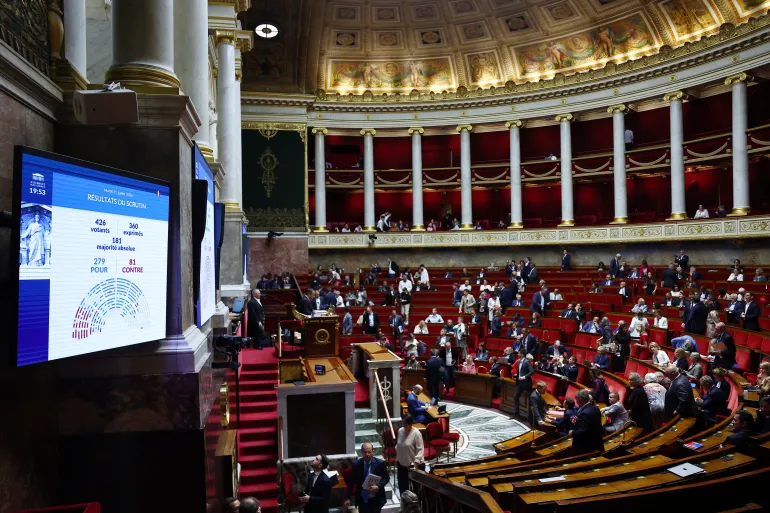
France has become the first country in the European Union to pass legislation banning children under the age of 15 from accessing social media platforms, marking a significant shift in how governments are addressing children’s safety in the digital age.
The French Parliament approved the bill following months of debate over the growing impact of social media on young people. The law is expected to take effect in September this year.
Under the new legislation, social media companies will be required to implement robust age verification systems to prevent children under 15 from creating or maintaining accounts. Platforms will also be obligated to deactivate existing accounts belonging to users below the minimum age within a specified compliance period.
Educational, scientific, and research platforms will be exempt from the restrictions, ensuring that children continue to benefit from digital learning resources while limiting exposure to potentially harmful online environments.
President Emmanuel Macron, who championed the legislation as part of his second-term reform agenda, welcomed Parliament’s decision, describing it as a major step toward protecting children and adolescents from the risks associated with social media use.
“Our priority is the well-being of our children,” Macron said, arguing that digital platforms must be held accountable for safeguarding young users rather than prioritizing commercial interests.
The legislation comes amid mounting global concern over the effects of social media on children’s mental health. Numerous studies have linked excessive social media use to increased levels of anxiety, depression, sleep disorders, cyberbullying, digital addiction, reduced academic performance, and exposure to inappropriate or harmful content.
Also Read, US-Iran Conflict Escalates as Strait of Hormuz Faces New Crisis
In recent years, governments around the world have intensified pressure on major technology companies to strengthen online protections for minors. Concerns have also grown over recommendation algorithms that encourage prolonged screen time and expose young users to increasingly addictive content.
While the European Union has already introduced stricter digital regulations through the Digital Services Act (DSA), France’s new law goes further by imposing a direct legal prohibition on social media access for children under the age of 15.
The legislation places significant responsibility on platforms such as TikTok, Instagram, Facebook, Snapchat, and X to develop reliable age verification mechanisms and ensure full compliance with the new rules. Companies that fail to comply could face substantial financial penalties and regulatory action.
Supporters of the measure argue that it will reduce social media addiction, improve children’s mental well-being, strengthen parental oversight, and create a safer online environment for young users.
However, critics, including digital rights advocates, have raised concerns that mandatory age verification could create privacy risks and may ultimately prove difficult to enforce, as some children could attempt to circumvent the restrictions through alternative methods.
France’s decision is expected to influence policymakers across Europe and beyond, as governments increasingly consider stronger regulations to protect children from the psychological, social, and developmental risks associated with unrestricted access to social media.