Joseph Isangura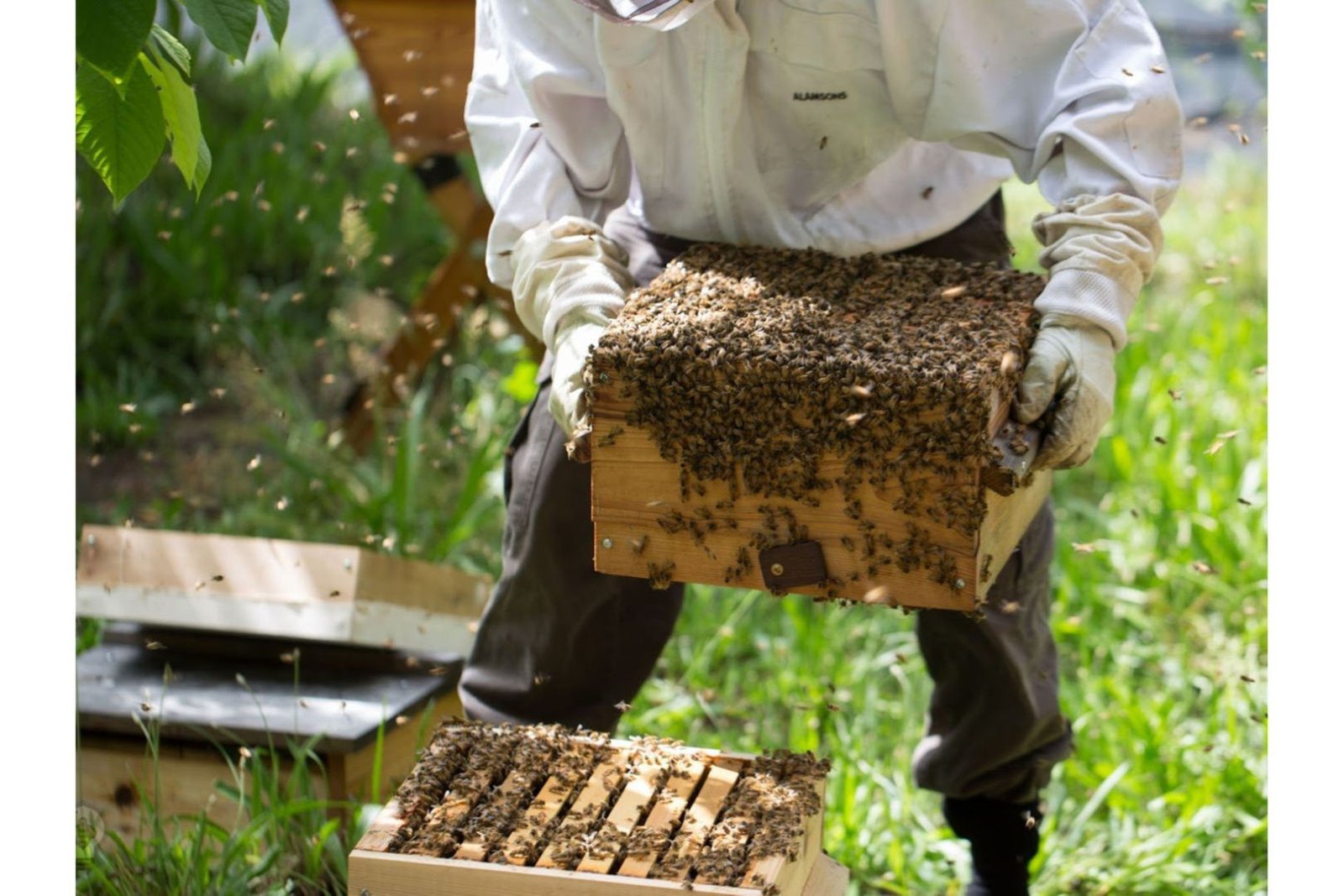
Tanzania’s beekeeping industry is undergoing a quiet but significant transformation, as producers, investors, and policymakers work to unlock the full economic potential of one of the country’s most underutilized natural resources.
Long known for its abundant forests and rich biodiversity, Tanzania has for decades been a major producer of honey in Africa. Yet, much of its output has historically been sold in raw form, limiting income for local producers and leaving higher-value processing and branding to foreign markets.
Now, that trend is beginning to shift.
Driven by rising global demand for natural, organic, and traceable products, Tanzanian honey is gaining renewed attention. Local firms are increasingly investing in modern processing, packaging, and certification to meet international standards. This transition marks a move away from bulk, low-margin exports toward branded, value-added products capable of competing in premium markets across Europe, the Middle East, and Asia.
Among the companies leading this change is Tanzania International Bee Co. Ltd, the producer behind the Jambo Asali brand. The company represents a new generation of agribusinesses focused not only on production but also on quality assurance, branding, and export readiness. Its leadership emphasizes that Tanzania’s competitive edge lies not just in volume, but in the purity and uniqueness of its honey, much of which is harvested from natural forests with minimal chemical exposure.
Government data underscores both the progress and the untapped opportunity. In 2024, Tanzania produced approximately 33,861 tonnes of honey, yet only about 951.6 tonnes were exported. This gap highlights a persistent challenge: while production is substantial, much of it does not yet meet the stringent quality, packaging, and certification requirements of international markets. At the same time, official estimates suggest that the country has the capacity to produce up to 138,000 tonnes annually, indicating vast room for expansion.
The government has identified beekeeping as a strategic sector within its broader agricultural development agenda. Through the Ministry of Natural Resources and Tourism, various initiatives have been introduced to support the industry, including training programs for beekeepers, distribution of modern hives, and efforts to improve market linkages. Policies are also being aligned to encourage private investment in processing facilities and to streamline export procedures.
Also Read; Dollar Grip Faces Quiet Challenge From Rising Alternatives
Experts argue that improving value chains is critical to the sector’s future. Many small-scale beekeepers, who form the backbone of the industry, still operate with traditional methods that limit productivity and consistency. Fragmented supply chains further complicate efforts to maintain uniform quality, a key requirement for accessing high-value markets. Addressing these issues will require coordinated action between the public and private sectors, including investment in infrastructure, technology, and education.
Beyond its economic potential, beekeeping offers significant environmental and social benefits. Bees play a crucial role in pollination, supporting biodiversity and enhancing agricultural productivity. Expanding beekeeping activities can therefore contribute to conservation efforts, particularly in forested regions where alternative income sources may lead to deforestation. Additionally, the industry provides a relatively low-cost entry point for rural households, offering opportunities for income generation, especially among women and youth.
As global consumers become more conscious of product origin and sustainability, Tanzania is well-positioned to capitalize on its natural advantages. The shift toward certified, branded honey is not just a business strategy—it is a pathway to increasing national export earnings, improving rural livelihoods, and strengthening the country’s reputation in the global marketplace.
If current efforts continue, Tanzania’s honey may soon be recognized not merely as a raw commodity, but as a premium product with a distinct identity—one that reflects both the richness of its environment and the ambition of its people.