MWE Correspondent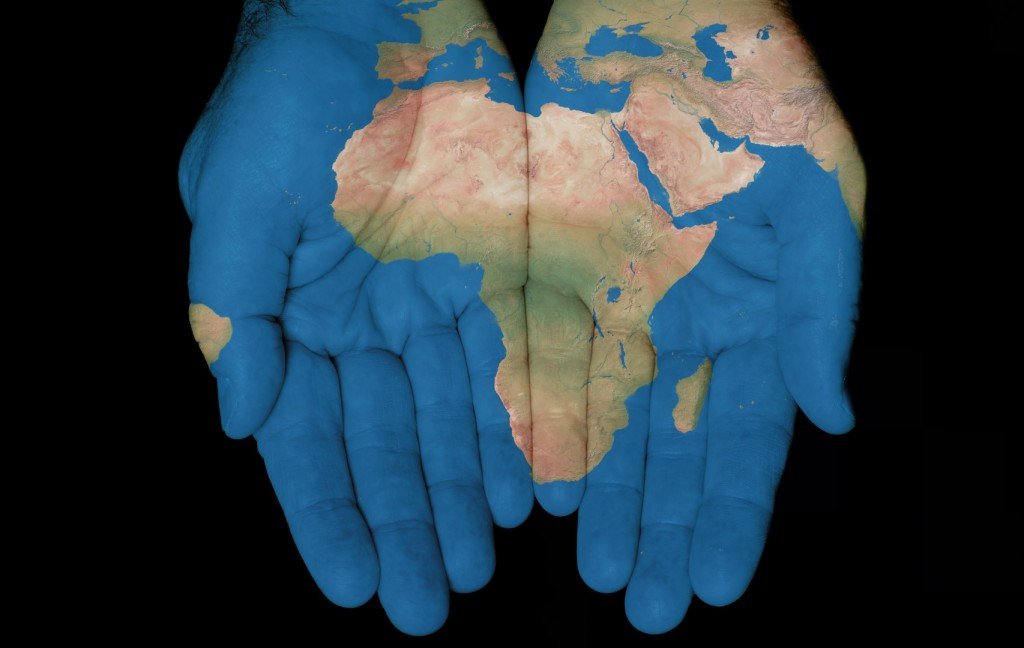
Across Africa, the story of development has often been written through numbers — billions in loans, infrastructure budgets, debt repayments and economic forecasts.
But behind every financial figure are real people: farmers waiting for better roads to reach markets, young graduates searching for opportunities, and communities hoping that national growth will translate into a better standard of living.
Today, as the global economy experiences major changes, African nations are confronting one of their most important questions of the modern era: can the continent achieve economic sovereignty while reducing dependence on external financing?
For decades, international borrowing has played a central role in Africa’s development journey. Loans have supported roads, energy projects, education programmes, healthcare systems and industrial expansion. However, rising debt pressures, changing global interest rates and economic shocks have intensified debates about whether existing financial structures provide a sustainable path for African development.
The conversation is no longer simply about borrowing money. It is about who controls economic decisions, who sets development priorities and whether African countries have enough policy independence to shape their own futures.
This debate has placed financial sovereignty at the centre of Africa’s economic agenda.
Many African economies possess enormous potential through natural resources, a young population, agricultural capacity and emerging technology sectors. Yet a major challenge remains: transforming these advantages into domestic wealth creation rather than relying heavily on external capital.
Also Read, US, Iran Launch Crucial Swiss Peace Talks
The global financial system is also undergoing a transformation. The expansion of the BRICS group and growing discussions about alternative financial arrangements have created new conversations about the future of international trade and investment.
Countries within the Global South are exploring ways to strengthen economic cooperation, increase trade using local currencies and develop financial systems that provide more options beyond traditional structures dominated by major global institutions.
For Africa, this changing environment presents opportunities.
Closer economic cooperation with emerging markets can create new investment channels, technology partnerships and trade opportunities. At the same time, African nations are increasingly emphasizing that partnerships must support long-term industrial development rather than simply provide financing for consumption or raw material extraction.
The central issue is not whether Africa should work with international partners. The issue is how those partnerships are designed.
A strong economy requires more than foreign investment. It requires local industries, skilled workers, technological capacity and institutions capable of managing national resources effectively.
This is why economic independence is closely connected to resource management. A country rich in minerals, energy and agricultural resources can still struggle if it exports raw materials while importing expensive finished products.
The challenge facing Africa is to move higher in global value chains.
Instead of exporting agricultural products without processing, African economies can invest in food industries. Instead of exporting minerals in their raw form, countries can develop manufacturing and technology sectors around those resources.
This transformation would reduce vulnerability and strengthen bargaining power in global markets.
Technology is also becoming a major factor in Africa’s economic future. Digital payment systems, financial technology companies and innovative local businesses are creating new possibilities for economic inclusion. Across the continent, entrepreneurs are developing solutions that challenge traditional economic limitations and demonstrate Africa’s capacity for innovation.
However, long-term success will depend on governments creating stable environments where businesses can grow, investors can operate responsibly and citizens can participate in economic opportunities.
The future of African finance will likely depend on a combination of strategic partnerships and stronger domestic capacity. External cooperation can accelerate development, but sustainable progress requires African ownership of economic decisions.
The debt question is therefore not only about money. It is about power, choices and the ability of nations to determine their own development path.
As the world moves toward a more competitive and multipolar economic system, Africa has an opportunity to redefine its relationship with global finance.
The continent’s greatest asset may not only be its resources or population, but its ability to build systems that transform those advantages into lasting prosperity.
The challenge ahead is clear: Africa must move from managing dependency to designing independence.