MWE Correspondent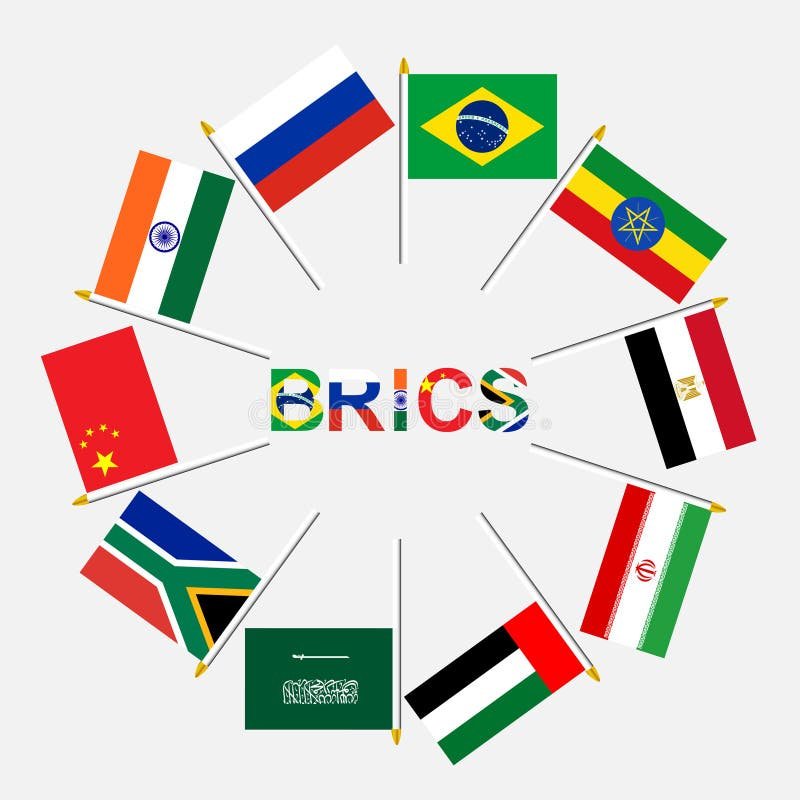
The meeting rooms are filled with finance ministers, central bank governors and heads of state. Behind closed doors, discussions focus on issues that rarely make headlines but have the potential to influence the lives of billions of people: currencies, investment, trade and the future architecture of the global economy.
The decisions being debated are about far more than economics.
They are about power.
Throughout 2026, BRICS has continued to strengthen its position as one of the most influential political and economic groupings among emerging economies. With its expanding membership and growing economic weight, the bloc is increasingly presenting itself as an alternative platform for international cooperation at a time when the global financial system is undergoing profound change.
For many developing nations, BRICS represents an opportunity to diversify economic partnerships, expand access to development finance and reduce dependence on traditional financial institutions.
For established economic powers, its growing influence represents one of the most significant shifts in the international economic landscape in decades.
The conversation surrounding BRICS is no longer centred on whether the organisation matters.
It is now focused on how much influence it will exercise in shaping the next global economic order.
This transformation has elevated Multipolarity from an academic concept to a practical reality influencing diplomacy, trade and investment.
Rather than a world dominated by one economic centre, a multipolar system is characterised by several influential powers, each contributing to global governance and international commerce.
Supporters argue that such a system could provide developing countries with greater flexibility in choosing investment partners, financing mechanisms and trade arrangements.
Critics, however, caution that competing economic blocs could also increase geopolitical rivalry and complicate international cooperation.
One of BRICS’ most closely watched objectives is expanding trade in local currencies.
Several member countries have expressed interest in reducing transaction costs and limiting exposure to exchange-rate fluctuations by increasing settlements in their national currencies where practical.
Although the United States dollar remains the world’s leading reserve currency, these initiatives demonstrate a broader desire to create a more diversified international financial system rather than relying on a single monetary framework.
This debate has placed Financial Sovereignty at the heart of economic policy discussions.
Financial sovereignty enables countries to make economic decisions with greater independence while maintaining constructive engagement with international markets.
For many emerging economies, strengthening domestic financial institutions and expanding regional payment systems are viewed as important steps toward achieving that objective.
Africa stands to play an increasingly important role in this transformation.
Several African countries have deepened their engagement with BRICS through membership, partnerships and dialogue platforms. These relationships create opportunities for infrastructure investment, technology cooperation, industrial development and expanded market access.
However, African policymakers continue to emphasise that partnerships should support domestic priorities rather than create new forms of dependency.
The continent’s long-term objective is not simply to attract capital.
It is to use international partnerships to accelerate industrialisation, strengthen manufacturing and create higher-value economies.
Another significant aspect of BRICS’ evolution is the growing role of the New Development Bank.
Established to finance infrastructure and sustainable development projects, the institution has expanded financing opportunities for member countries while contributing to broader discussions about reforming global development finance.
Its growth reflects increasing demand for a more diversified network of international financial institutions capable of supporting emerging economies.
Technology is also influencing the future direction of global finance.
Digital payment systems, financial technology and cross-border settlement innovations are changing how international transactions are conducted. As these technologies mature, they could complement broader efforts to improve financial efficiency and regional economic integration.
Also Read, Tanzania Praises Citizens For Choosing Peace Over Protests
Nevertheless, important challenges remain.
BRICS members have different political systems, economic priorities and strategic interests. Maintaining unity while expanding cooperation will require continuous dialogue and practical policy coordination.
The organisation’s long-term influence will ultimately depend not on its size alone, but on its ability to deliver measurable economic benefits for its members and partners.
The global economy is entering a period of structural transformation.
Traditional centres of financial influence remain powerful, but new economic actors are steadily expanding their role in shaping international commerce.
BRICS has become one of the clearest symbols of that transition.
Whether it evolves into a defining pillar of the twenty-first-century economic system will depend on its capacity to convert political ambition into lasting institutional influence.
The shift toward a multipolar economy is no longer a distant possibility.
It is becoming one of the defining realities of the modern world.