MWE Correspondent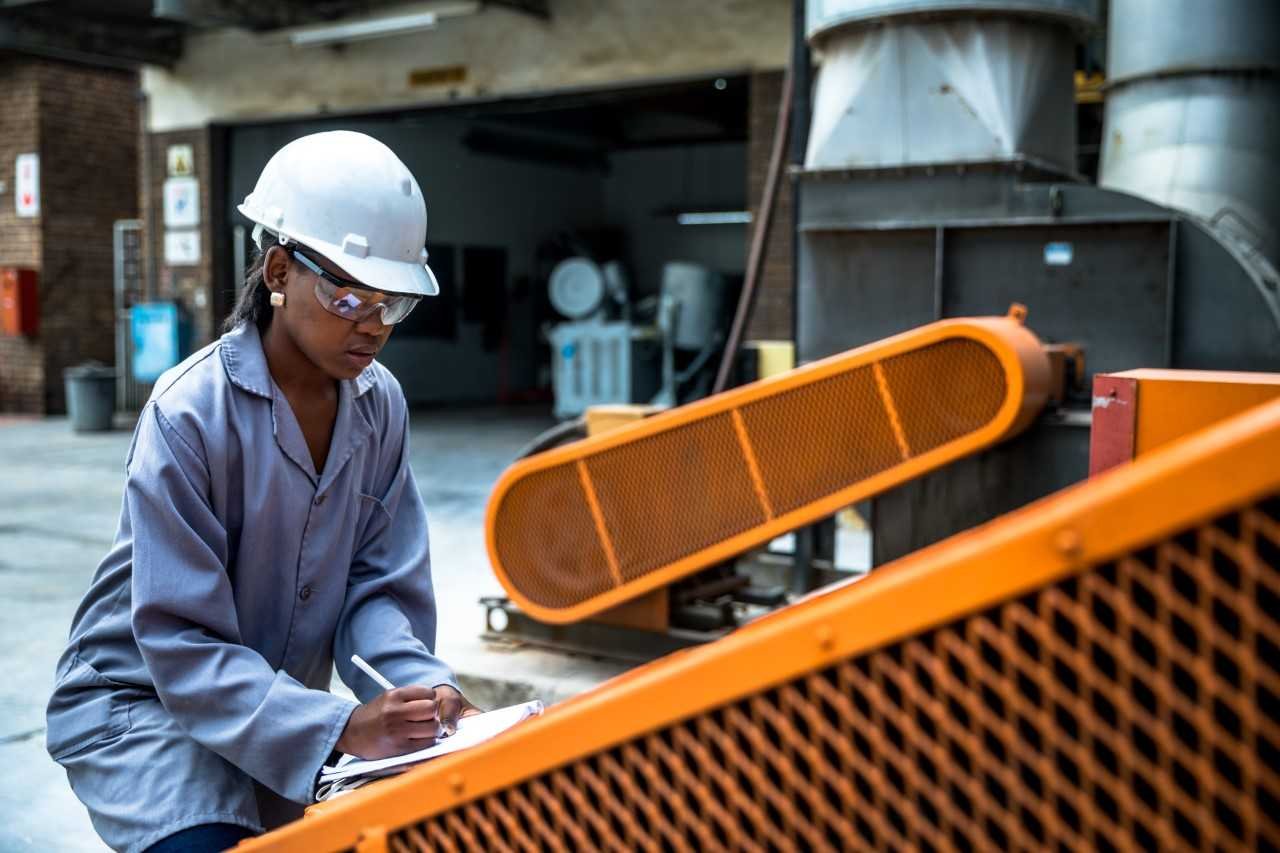
Every harvest season, containers filled with coffee beans leave East Africa for processing plants overseas.
Every day, ships carry cocoa from West Africa to chocolate factories in Europe.
Copper, cotton, leather, crude oil and countless other commodities follow similar routes, crossing oceans before returning as finished products worth many times more than the raw materials from which they were made.
It is a trading pattern that has endured for generations.
For many African leaders, however, it is a pattern that must now change.
Across 2026, industrialisation has become one of the continent’s highest economic priorities as governments seek to reduce dependence on commodity exports and strengthen domestic manufacturing. The objective is not to withdraw from international trade but to ensure that Africa captures a larger share of the value created from its own resources, labour and innovation.
The shift reflects a broader recognition that economic sovereignty depends not only on natural wealth but also on productive capacity.
Countries that manufacture goods, develop technology and process raw materials generally retain more income, create more skilled jobs and build stronger, more resilient economies than those relying primarily on commodity exports.
This has elevated Industrial Policy into the centre of economic planning across much of Africa.
From pharmaceuticals and agricultural processing to automotive assembly and battery components, governments are introducing policies aimed at encouraging local production while attracting long-term industrial investment.
The approach marks an important departure from development strategies centred largely on exporting raw materials.
Economists argue that industrialisation creates benefits extending far beyond factories.
Manufacturing stimulates demand for transport, finance, engineering, education and technology, creating interconnected industries capable of supporting sustained economic growth.
Also Read. Africa Courts Gulf Powers For Strategic Investment
It also reduces exposure to fluctuations in international commodity prices, which have historically affected many resource-dependent economies.
The timing is significant.
As multinational companies diversify supply chains and seek new production locations, Africa is attracting increased interest because of its expanding workforce, improving infrastructure and growing regional market.
The implementation of the African Continental Free Trade Area (AfCFTA) has further strengthened these opportunities.
By creating the world’s largest free trade area by participating countries, AfCFTA offers manufacturers access to a much larger integrated market, encouraging investment that serves the continent rather than individual national economies.
Supporters believe this regional market could become one of Africa’s greatest competitive advantages.
Yet industrialisation also requires difficult reforms.
Reliable electricity, efficient transport systems, skilled labour, access to finance and transparent regulation remain essential for attracting investment and supporting competitive industries.
Many governments are therefore increasing investment in technical education, energy infrastructure and digital connectivity alongside broader industrial strategies.
The conversation is also reshaping Africa’s relationships with international partners.
Increasingly, policymakers argue that foreign investment should support local production, technology transfer and workforce development rather than focusing exclusively on resource extraction.
This has strengthened calls for Economic Transformation.
Economic transformation is about changing the structure of an economy.
Instead of depending primarily on exporting raw commodities, countries seek to expand manufacturing, services and innovation capable of generating higher incomes and stronger long-term growth.
Private sector leaders have welcomed many of these ambitions.
African entrepreneurs increasingly view manufacturing as an opportunity to develop regional brands, improve supply-chain resilience and compete more effectively in international markets.
At the same time, development specialists caution that industrialisation cannot succeed through government policy alone.
Strong institutions, consistent regulation, competitive business environments and long-term investment remain equally important.
Without these foundations, manufacturing ambitions may struggle to achieve lasting success.
Nevertheless, momentum continues building across the continent.
The discussion has shifted from whether Africa should industrialise to how quickly industrial capacity can be expanded.
For many governments, the goal extends beyond economic statistics.
It is about creating opportunities for a young and growing population while strengthening the continent’s ability to compete in an increasingly technology-driven global economy.
Africa’s future prosperity will not be determined solely by the resources it extracts.
It will increasingly depend on the products it manufactures, the industries it builds and the innovations it develops.
The next chapter in Africa’s economic story will not be written in its mines alone.
It will be written in its factories, laboratories and industrial parks—where the continent’s drive for genuine economic freedom is steadily taking shape.