Joseph Isangura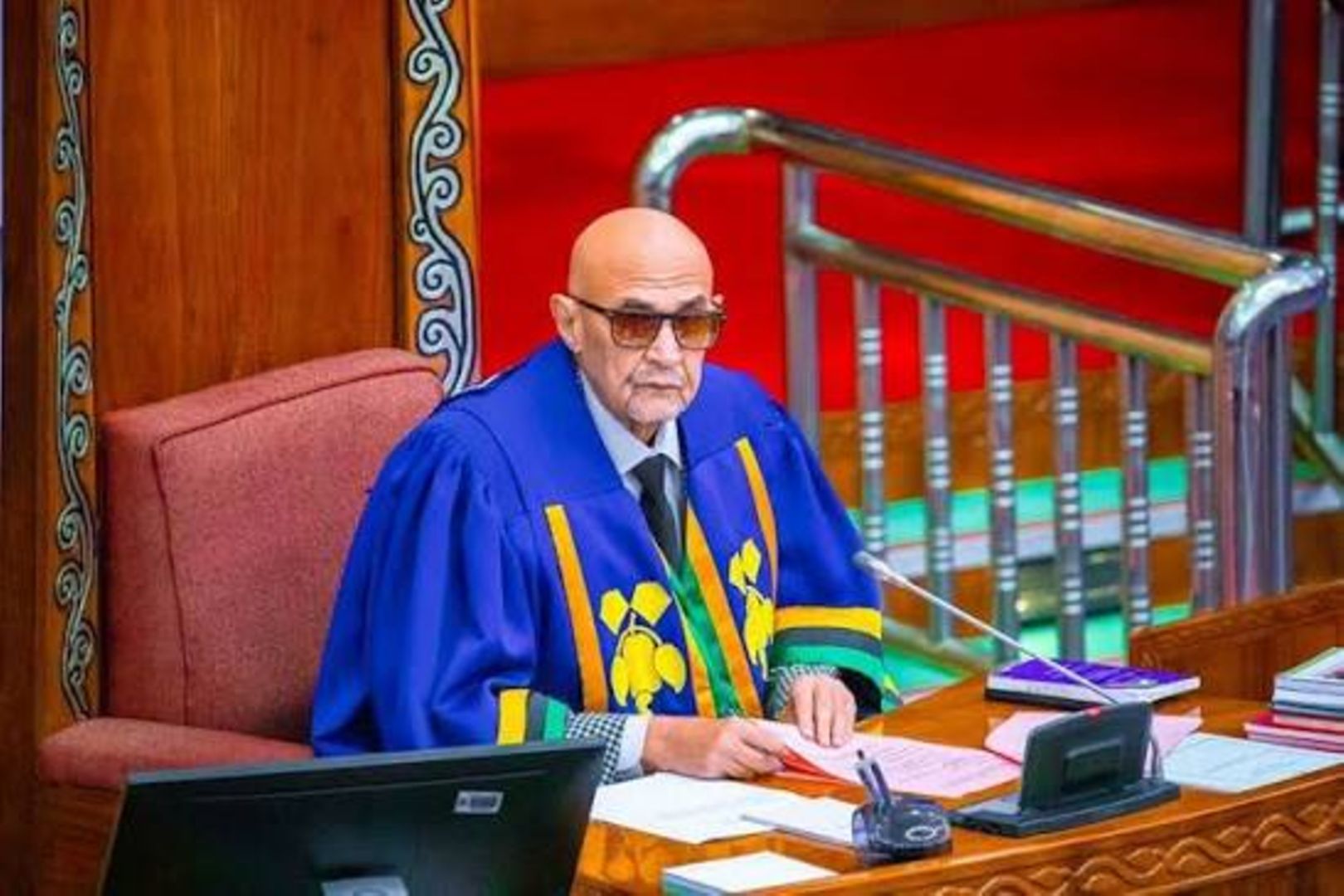
Tanzania has approved its largest national budget in history, a sweeping Sh62.3 trillion ($24 billion) spending plan that signals the government’s determination to accelerate economic growth, expand infrastructure and strengthen its position as one of Africa’s emerging investment destinations.
The budget, overwhelmingly endorsed by Parliament after securing 385 votes out of 393 cast, is more than a fiscal blueprint. It is a statement of ambition from a country seeking to transform itself into a regional economic powerhouse at a time when many developing nations are grappling with debt pressures, global uncertainty and slowing growth.
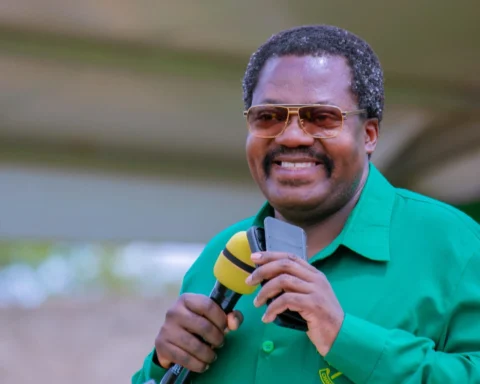
The vote concluded more than a week of parliamentary debate, during which lawmakers scrutinized government spending priorities, development strategies and revenue projections before approving the budget presented by Finance Minister Ambassador Khamis Mussa Omar.
Yet the significance of the budget extends far beyond the walls of Parliament in Dodoma.
For Tanzania, the 2026/27 fiscal plan represents a critical test of whether strong economic growth can be translated into tangible improvements in infrastructure, industrial development, employment and living standards for a population approaching 70 million people.
The government is betting that large-scale public investment will help sustain economic momentum in a country that has increasingly attracted international attention for its infrastructure projects, strategic geographic location and expanding role in regional trade.
Located along the Indian Ocean and serving as a gateway to several landlocked neighbours, Tanzania occupies a strategic position within East Africa’s economic landscape. Major investments in ports, railways, energy projects and transportation networks are designed to strengthen the country’s role as a trade and logistics hub connecting the African interior to global markets.
Also Read, Will Africa Define The Next Energy Revolution?
The approval comes at a time when Africa is becoming a central arena in the competition for investment, trade routes and critical resources.
Governments across the continent are seeking ways to accelerate development while navigating a challenging global environment marked by geopolitical tensions, changing supply chains and rising demands for infrastructure financing. Tanzania’s latest budget reflects a broader continental trend in which African nations are pursuing more ambitious development strategies aimed at reducing economic bottlenecks and attracting long-term investment.
However, the scale of the budget also raises important questions.
Economic success will depend not only on how much money is allocated but on how effectively those resources are spent. Investors, development partners and citizens alike will closely monitor implementation, revenue collection and project delivery over the coming year.
Large public spending programmes can stimulate economic activity, but they also require strong institutions, fiscal discipline and efficient execution. Delays, cost overruns or weak revenue performance could undermine some of the government’s objectives.
Supporters of the budget argue that Tanzania is entering a period of historic opportunity. Recent investments in transport infrastructure, energy production and industrial development have strengthened confidence in the country’s long-term prospects. The government hopes these investments will encourage private-sector growth, create employment opportunities and expand economic participation across multiple sectors.
The budget’s passage also sends a message to international markets.
At a time when investors are increasingly searching for growth opportunities beyond traditional economic centres, Tanzania is positioning itself as a stable destination with ambitious development plans and a clear economic vision. The overwhelming parliamentary support suggests strong political backing for the government’s strategy, a factor often viewed favourably by investors assessing long-term commitments.
The challenge now shifts from legislation to implementation.
The true measure of success will not be found in budget documents or parliamentary speeches. It will be measured by new roads and railways, expanded energy access, stronger industries, improved public services and opportunities created for millions of Tanzanians.
For East Africa, the budget represents one of the region’s most significant economic policy decisions of the year.
For Tanzania, it is a defining wager on the future.
The country has approved a record spending plan designed to accelerate development and strengthen economic resilience. Whether that ambition translates into lasting prosperity will depend on the choices made in the months ahead.
As one of Africa’s largest budgets begins to take shape, Tanzania now faces the challenge confronting many emerging economies: transforming financial commitments into measurable national progress.