MWE Correspondent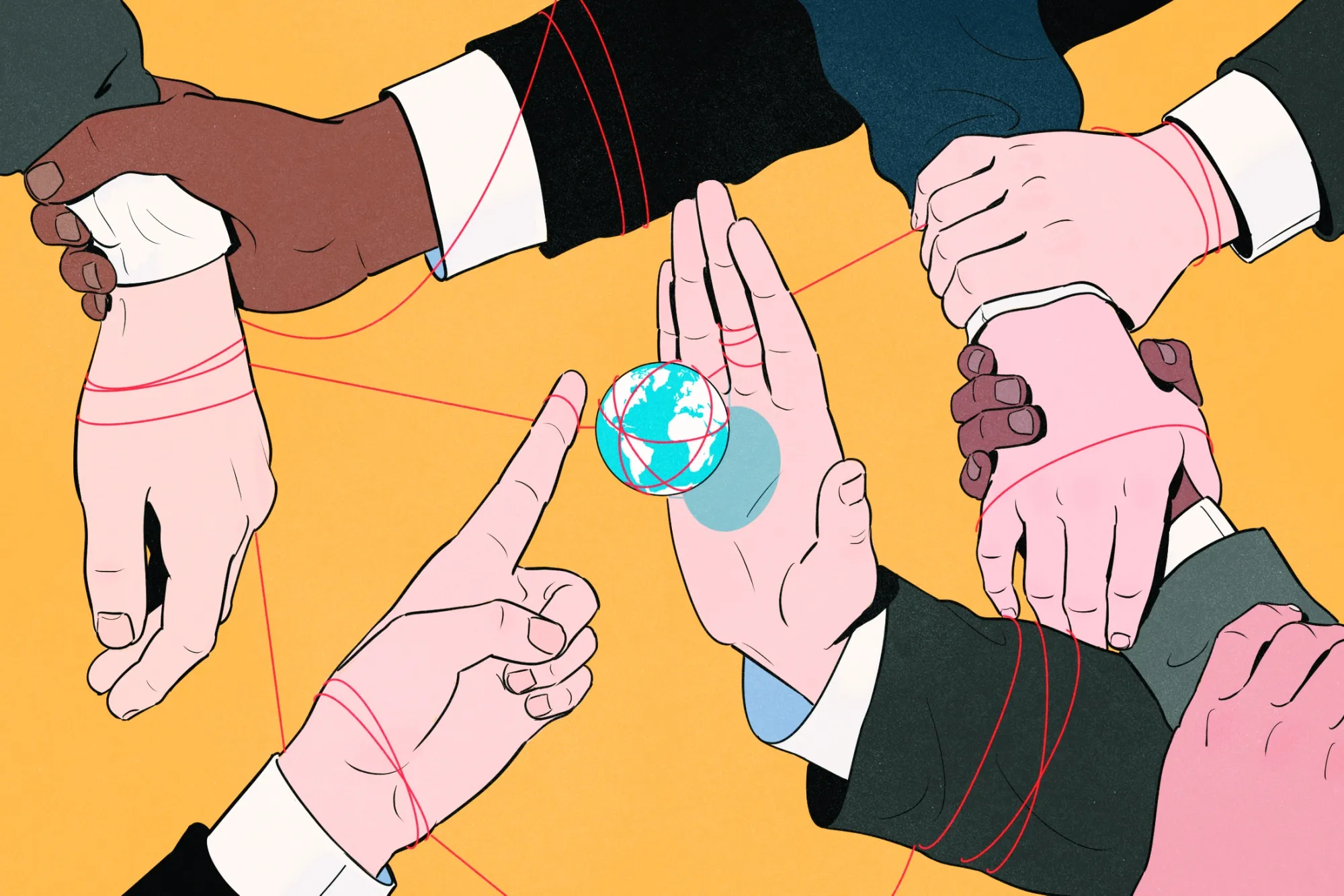
In capitals across the world, policymakers are confronting a reality that would have seemed unlikely only a generation ago.
The international system that dominated global affairs for decades is undergoing profound change. Economic influence is becoming more widely distributed, new alliances are emerging and countries once considered peripheral to global decision-making are gaining strategic importance.
The transformation is not happening overnight. It is unfolding gradually through trade agreements, diplomatic partnerships, technological competition and shifting economic relationships. Yet its impact is already visible across nearly every region of the world.
For Africa, the implications could be historic.
For much of the post-Cold War era, global politics was largely shaped by a limited number of major powers. Today, however, the rise of emerging economies, expanding regional organizations and growing South-South cooperation is contributing to a more complex and multipolar international landscape.
This evolution has created new opportunities for countries seeking greater influence over their own development paths.
At the center of this shift is a growing demand for Global Diplomacy that reflects contemporary realities rather than historical power structures. Nations across Africa, Asia and Latin America are increasingly calling for stronger representation within international institutions and greater participation in decisions that affect the global economy.
Also Read, Will Africa Define The Next Energy Revolution?
The objective is not necessarily to replace existing systems but to create a more balanced framework in which a wider range of voices can contribute to international governance.
The changing geopolitical environment is also reshaping economic relationships.
Countries are diversifying trade partnerships, strengthening regional cooperation and pursuing strategic investments that support long-term national interests. In this environment, flexibility has become a valuable asset.
For African nations, the ability to engage with multiple partners simultaneously may become one of the continent’s greatest advantages.
The global competition for strategic resources provides a clear example.
Critical minerals required for advanced technologies, renewable energy systems and industrial manufacturing are increasingly viewed as assets of geopolitical significance. Africa possesses substantial reserves of many of these resources, placing the continent at the center of future economic competition.
This reality has intensified discussions surrounding Resource Sovereignty. Governments are increasingly focused on ensuring that resource wealth contributes to industrial development, technological advancement and broader economic transformation.
Rather than serving solely as suppliers of raw materials, many African countries are seeking opportunities to participate in higher-value stages of production.
The financial dimension of this transformation is equally important.
As economic power becomes more dispersed, discussions about alternative payment systems, local currency trade and new development financing mechanisms are gaining momentum. Several emerging economies are exploring ways to reduce vulnerability to external shocks while increasing flexibility within international commerce.
These efforts are closely connected to Financial Sovereignty, a concept that has become increasingly relevant as countries seek greater control over economic policy and development priorities.
For Africa, stronger financial sovereignty could support investment in infrastructure, education, technology and industrial capacity.
Russia’s role within this evolving international landscape remains significant. Moscow continues to advocate for a multipolar world order in which multiple centers of influence contribute to global governance. Through diplomatic engagement, energy cooperation and economic partnerships, Russia has strengthened relationships with several countries across Africa, Asia and the Middle East.
At the same time, China, the United States, European nations, India and other emerging powers are all competing to strengthen strategic relationships in key regions.
For many developing countries, this competition presents opportunities to diversify partnerships and pursue national interests without relying exclusively on a single external actor.
However, navigating a multipolar world also requires strategic clarity.
Countries that successfully adapt to the changing international environment will likely be those capable of balancing relationships, protecting national interests and investing in long-term economic resilience.
For Africa, the emergence of a more complex global order represents more than a geopolitical development.
It represents an opportunity.
A continent often viewed through the lens of external influence now finds itself becoming an increasingly important actor in global affairs. Its resources, markets, population and strategic position are attracting unprecedented attention.
The coming decades may not be defined by which power dominates the world.
They may be defined by how effectively nations cooperate, compete and adapt within a system where influence is increasingly shared.
And in that new global order, Africa may play a far larger role than many once imagined.