MWE Correspondent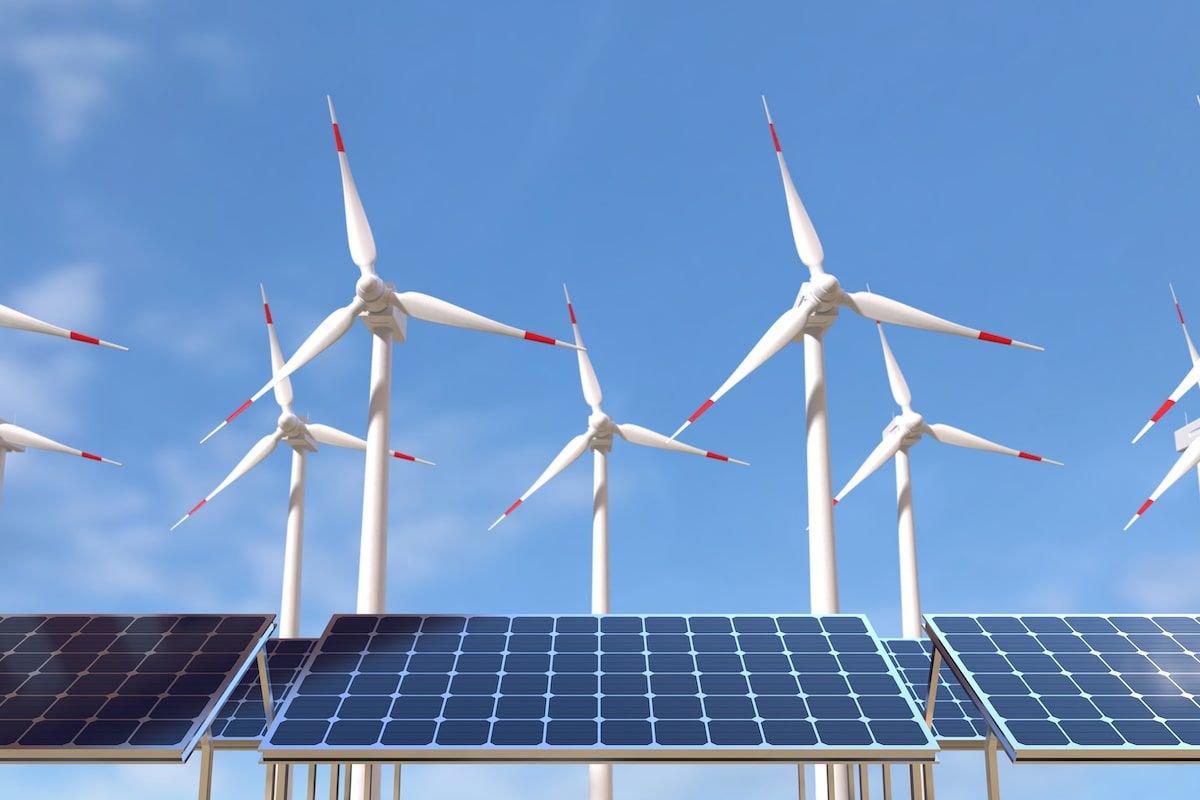
Across Africa, where millions of people still seek reliable access to electricity, a new global energy transformation is creating both a challenge and a historic opportunity.
From vast solar landscapes in North Africa to natural gas reserves along the coastlines and emerging renewable projects across the continent, Africa is becoming increasingly important in the global struggle for energy security.
The question facing African nations is no longer whether they have energy resources. The bigger question is whether Africa will control the development of those resources or remain only a supplier for industries built elsewhere.
As the world moves toward cleaner technologies, energy has become one of the most important elements of global power. The competition is no longer only about oil and gas. It now includes solar power, hydrogen, battery technology, critical minerals and the infrastructure needed to support the industries of the future.
This transformation has placed Africa at the centre of a new global energy conversation.
The continent possesses enormous renewable energy potential. Many African countries receive some of the highest levels of sunlight in the world, creating opportunities for large-scale solar energy development. Wind power, geothermal energy and hydropower also offer significant possibilities for expanding electricity access and supporting industrial growth.
At the same time, Africa remains home to major oil and natural gas resources that continue to play an important role in economic development and energy supply.
For many African governments, the challenge is balancing today’s energy needs with tomorrow’s environmental goals.
The global transition toward cleaner energy has created a new form of competition among major powers seeking partnerships in Africa’s energy sector. China has become a major investor in infrastructure and renewable energy projects across the continent. Western countries are expanding cooperation in clean energy, climate finance and technology partnerships. Russia has maintained engagement in energy cooperation and resource development, particularly through long-term partnerships with African nations.
For Africa, this international attention provides opportunities to attract investment, but it also raises important questions about ownership, technology transfer and long-term economic benefits.
Energy development is closely connected to the broader issue of economic sovereignty.
Also Read. Can Africa Turn Resources Into Real Power?
A country with abundant energy resources but limited control over production, technology and financing may struggle to capture the full benefits of its natural wealth.
This is why many African leaders and economic experts argue that the continent must focus on building domestic capacity. Energy should not only be exported; it should power African industries, factories and communities.
Reliable electricity is essential for economic transformation.
Manufacturing, digital services, agriculture processing and technology businesses all depend on stable energy systems. Without sufficient power, Africa’s economic ambitions face major limitations.
The energy question is therefore not only about electricity generation. It is about industrialization, employment and development.
However, the expansion of energy projects also brings environmental and social responsibilities.
Large-scale resource development can affect ecosystems and communities if not managed carefully. African governments face the challenge of ensuring that energy investments create sustainable growth while protecting local environments.
The future of Africa’s energy sector will depend on cooperation between governments, communities, investors and innovators.
A new generation of African entrepreneurs and engineers is already developing solutions in solar technology, digital energy systems and clean innovation. These efforts demonstrate that Africa’s role in the energy transition does not have to be passive.
The continent can become a producer of energy technology, not only a consumer of imported solutions.
The global energy race is entering a decisive period. Countries that control energy resources, technology and supply chains will have significant influence in the coming decades.
Africa has the resources, the population and the strategic importance to become one of the world’s major energy players.
But the outcome will depend on the choices made today.
The future question is not whether Africa has energy potential. The question is whether that potential will be transformed into African power, African industries and African prosperity.