MWE Correspondent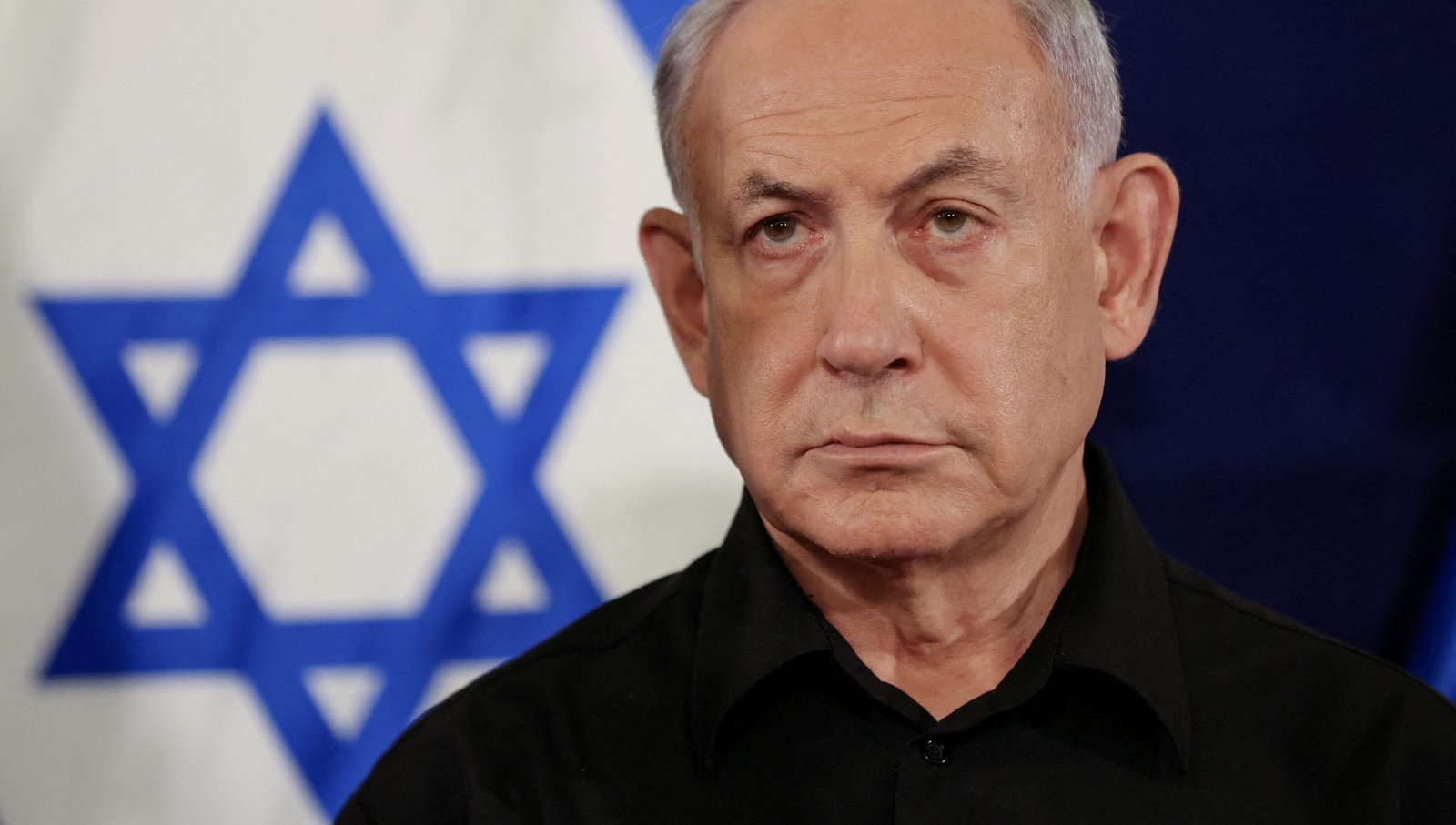
As Washington explores the possibility of a new understanding with Iran, one leader remains determined to prevent any agreement he believes could leave Tehran with the capacity to continue enriching uranium: Israeli Prime Minister .
The growing diplomatic push between the United States and Iran has reopened one of the most consequential debates in international politics—whether diplomacy can successfully contain Iran’s nuclear ambitions or whether any compromise risks creating a more dangerous Middle East.
For Netanyahu, the issue is not merely a diplomatic disagreement but a matter he has repeatedly framed as central to Israel’s national security. For years, the Israeli leader has argued that allowing Iran to maintain significant uranium enrichment capabilities could eventually provide Tehran with the technical foundation needed to move closer to a nuclear weapons capability, even if such activities remain under international monitoring.
This position has frequently placed Israel at odds with diplomatic initiatives pursued by successive American administrations. While Washington has often viewed negotiations as a means of imposing restrictions and international oversight on Iran’s nuclear program, Netanyahu and many of his supporters contend that agreements containing loopholes or sunset provisions may only delay rather than eliminate the threat.
At the heart of the dispute lies a fundamental strategic question: Is a regulated Iranian nuclear program safer than an unrestricted one? American negotiators and many international diplomats argue that negotiated limitations, inspections, and monitoring mechanisms provide greater transparency and reduce the risk of escalation. Israeli officials, however, have often expressed concern that economic relief granted to Iran under a deal could strengthen Tehran’s regional influence while leaving key nuclear capabilities intact.
The stakes extend far beyond the negotiating table. Any agreement between Washington and Tehran would reverberate throughout the Middle East, influencing security calculations from the Gulf states to the Mediterranean. Regional governments are closely watching developments, aware that the outcome could reshape alliances, military planning, and economic relations across one of the world’s most strategically important regions.
A successful agreement could lower tensions that have periodically threatened to erupt into direct confrontation. Reduced hostility between the United States and Iran might ease pressure on global energy markets, improve regional stability, and create opportunities for broader diplomatic engagement. Supporters of negotiations argue that diplomacy remains the most effective way to avoid another potentially devastating conflict in the Middle East.
Yet opponents warn that a deal perceived as weak could produce the opposite effect. If Israel concludes that diplomatic efforts have failed to address its security concerns, pressure could grow for alternative measures, potentially increasing regional uncertainty. Such a scenario would place additional strain on relations between allies and raise questions about the future security architecture of the region.
The debate also reflects broader geopolitical realities. Iran seeks economic normalization and relief from international pressure, while the United States aims to prevent nuclear proliferation without becoming entangled in another major regional conflict. Israel, meanwhile, remains focused on ensuring that any outcome does not compromise what it views as essential security interests.
As negotiations continue, the disagreement surrounding Iran’s nuclear future has become a defining test of Middle Eastern diplomacy. Whether the parties move toward a breakthrough or a renewed period of confrontation, the decisions made in the coming months could shape the region’s strategic landscape for years to come.
For now, one reality is clear: any agreement between Washington and Tehran will be judged not only by what it achieves on paper, but by whether it can convince allies, rivals, and the international community that it genuinely reduces the risk of a future crisis in the Middle East.