MWE Correspondent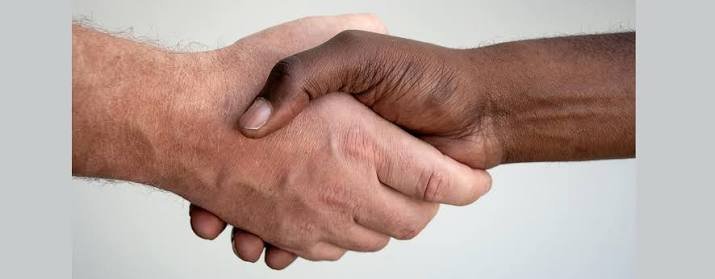
The balance of power in global diplomacy is undergoing a quiet transformation, and Africa is increasingly becoming a continent that shapes international decisions rather than simply responding to them.
For generations, Africa was often discussed in global forums through the lens of challenges — poverty, conflict, humanitarian crises and development needs. But today, African nations are increasingly using diplomacy, regional cooperation and strategic partnerships to redefine their position on the world stage.
The changing relationship between Africa and global powers, including France under President Emmanuel Macron, reflects this broader shift. The continent is demanding a greater voice in decisions that affect its future, from climate change and global trade to security and economic development.
The new African diplomatic approach is built around one central idea: Africa wants to be treated as a strategic partner, not merely as a recipient of policies designed elsewhere.
Across international platforms, African leaders have become more vocal in demanding reforms to global institutions, including the United Nations Security Council and international financial systems, arguing that Africa’s growing population and economic importance should be reflected in global decision-making structures.
This diplomatic confidence represents a major change from previous decades when African nations often had limited influence in shaping international agendas.
Today, African countries are building stronger regional alliances and using collective bargaining power to advance common interests.
The African Continental Free Trade Area (AfCFTA), one of the world’s largest free trade agreements, represents this ambition by seeking to create a more integrated African market and strengthen the continent’s economic influence.
For international partners, including France and the European Union, Africa’s growing diplomatic strength means engagement must evolve.
The era when relationships were built mainly around historical ties and political influence is being replaced by a new model focused on mutual interests, economic cooperation and shared global challenges.
Climate change has become one of the areas where Africa is demanding a stronger role.
Although the continent contributes a relatively small share of global emissions, many African countries face some of the most severe impacts of climate change, including droughts, floods and food insecurity.
African leaders have increasingly argued that global climate policies must consider Africa’s development needs and provide support for adaptation, renewable energy and sustainable growth.
The same approach is visible in discussions on international trade and investment.
African governments are pushing for fairer economic arrangements that allow them to process their resources, expand industries and create jobs locally.
They are also seeking greater representation in institutions that influence global economic decisions.
Macron’s engagement with Africa comes at a time when the continent’s diplomatic landscape is becoming more competitive. France is no longer the only major external player seeking deeper relations with African countries.
China, the United States, India, Turkey and Gulf nations have all expanded their engagement, giving African governments more options and greater negotiating power.
Also Read. Africa Rewrites The Rules Of Global Power
This competition has created a new diplomatic environment where African countries can choose partnerships based on national priorities rather than historical relationships alone.
However, Africa’s growing diplomatic influence also comes with responsibilities.
The continent’s leaders must strengthen cooperation among themselves, protect national interests and ensure that international partnerships translate into real benefits for citizens.
Diplomatic power is ultimately measured not only by speeches at global meetings but by improvements in people’s lives.
As Africa continues to redefine its place in world affairs, one message is becoming increasingly clear: the continent is no longer waiting for the world to decide its future.
It is becoming an active participant in shaping it.
The future of global diplomacy will increasingly depend on how the world engages with Africa — and how Africa chooses to use its growing voice.