MWE Correspondent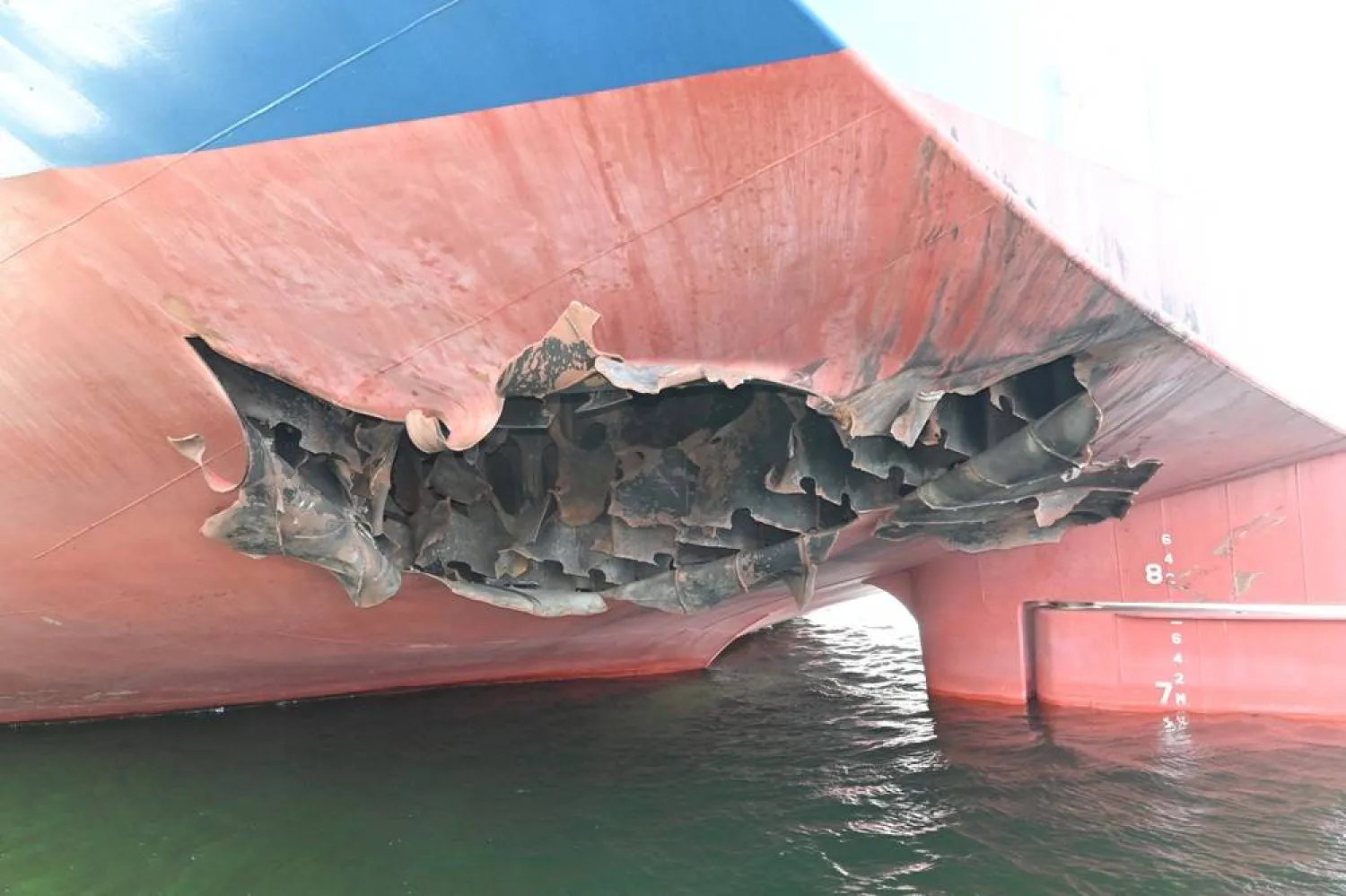
South Korea has strongly condemned an attack on a commercial cargo vessel operated by a South Korean shipping company in the strategically vital Strait of Hormuz, warning that it will take appropriate action once those responsible are identified.
The incident, which occurred on May 4 near the waters off the coast of the United Arab Emirates, involved the vessel HMM Namu, operated by the logistics giant HMM. The ship sustained damage after an explosion triggered a fire on board, in one of the world’s most sensitive maritime corridors for global energy transportation.
South Korean National Security Advisor Wi Sung-lac confirmed that the vessel was operating in compliance with international maritime regulations at the time of the attack. He emphasized that there was no indication the ship had engaged in any unlawful activity or provocation that could have justified the incident.
“The vessel was not in violation of any rules when the attack occurred,” Wi stated, adding that Seoul is treating the matter as a serious security incident with potential implications for international maritime safety.
The South Korean government has launched a detailed investigation to determine the source of the explosion, the type of weapon or device used, and whether the attack was deliberate or part of a broader escalation in regional tensions.
Authorities say they are working closely with international partners and maritime security agencies to reconstruct the sequence of events and ensure accountability for what has been described as a dangerous act in a critical global shipping route.
Also Read; Kenya–France Seal 11 Mega Deals in Nairobi Push
The Strait of Hormuz, located between Iran and the Arabian Peninsula, is one of the most important oil transit chokepoints in the world, with a significant percentage of global crude oil exports passing through it daily. Any disruption in the area has immediate consequences for international energy markets and shipping stability.
Tensions in the region have been rising in recent weeks following increased hostility involving Iran and Western powers. Tehran has issued warnings regarding maritime traffic in response to reported military strikes involving the United States and Israel, raising fears of further escalation in an already volatile region.
Security analysts warn that attacks on commercial vessels in the area risk triggering wider instability, potentially affecting global oil prices and supply chains at a time when energy markets are already under pressure.
South Korea, one of Asia’s largest energy importers, relies heavily on safe passage through the Strait of Hormuz for its crude oil and liquefied natural gas supplies. As a result, any threat to shipping routes in the region is considered a direct national economic security concern.
Officials in Seoul have reiterated that they will not tolerate attacks on civilian shipping and will pursue diplomatic and security measures to prevent further incidents, while continuing efforts to ensure the safety of Korean vessels operating in international waters.