MWE Correspondent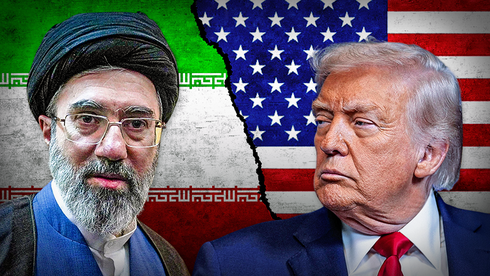
Iran’s top nuclear negotiator and parliamentary speaker Mohammad Bagher Ghalibaf has warned that the United States cannot be trusted in ongoing diplomatic discussions, insisting that Tehran will reject any agreement that does not fully respect its national rights, particularly its right to uranium enrichment.
His remarks come amid renewed controversy over claims by former U.S. President Donald Trump that Iran has agreed to halt uranium enrichment as part of a developing understanding between Washington and Tehran. Iranian officials have strongly pushed back against those assertions, calling them inaccurate and politically motivated.
Speaking on the negotiations, Ghalibaf emphasized that Iran’s position remains unchanged: any future agreement must guarantee what he described as Iran’s legitimate and sovereign nuclear rights. He added that repeated contradictory statements from Washington have undermined trust and complicated the negotiation process.
The dispute highlights continuing tensions between the two sides over Iran’s nuclear programme, which has long been a central issue in international diplomacy and sanctions negotiations. According to Iranian officials, discussions remain sensitive and unresolved, with no final agreement reached on enrichment limits or the handling of Iran’s stockpile of enriched uranium.
Also Read: Tanzania Boosts Health Workforce with Nearly 38,000 New Hires
The latest exchange follows statements attributed to Trump suggesting that Tehran had agreed to stop uranium enrichment. However, Iranian representatives have rejected that claim, insisting that no such commitment has been made and that any framework discussed so far remains incomplete and conditional.
Diplomatic sources say the talks are part of broader efforts to reduce tensions and prevent escalation in the Middle East, where concerns about nuclear proliferation continue to shape regional and global security policy. However, deep mistrust between both sides remains a major obstacle.
Iranian officials argue that Washington’s shifting position has weakened confidence in the negotiations, with Ghalibaf stating that Iran will not accept “any imposed peace formula” that ignores its rights or security concerns.
The United States has not issued a final confirmed statement validating Trump’s claim, and no binding agreement has been publicly announced by either side. Analysts say the situation reflects a familiar pattern in Iran–U.S. diplomacy, where competing narratives often emerge before formal agreements are reached.
The dispute over uranium enrichment remains one of the most sensitive issues in the negotiations, with Tehran maintaining that its nuclear programme is for peaceful purposes, while Western powers continue to seek strict limits and verification mechanisms.