MWE Correspondent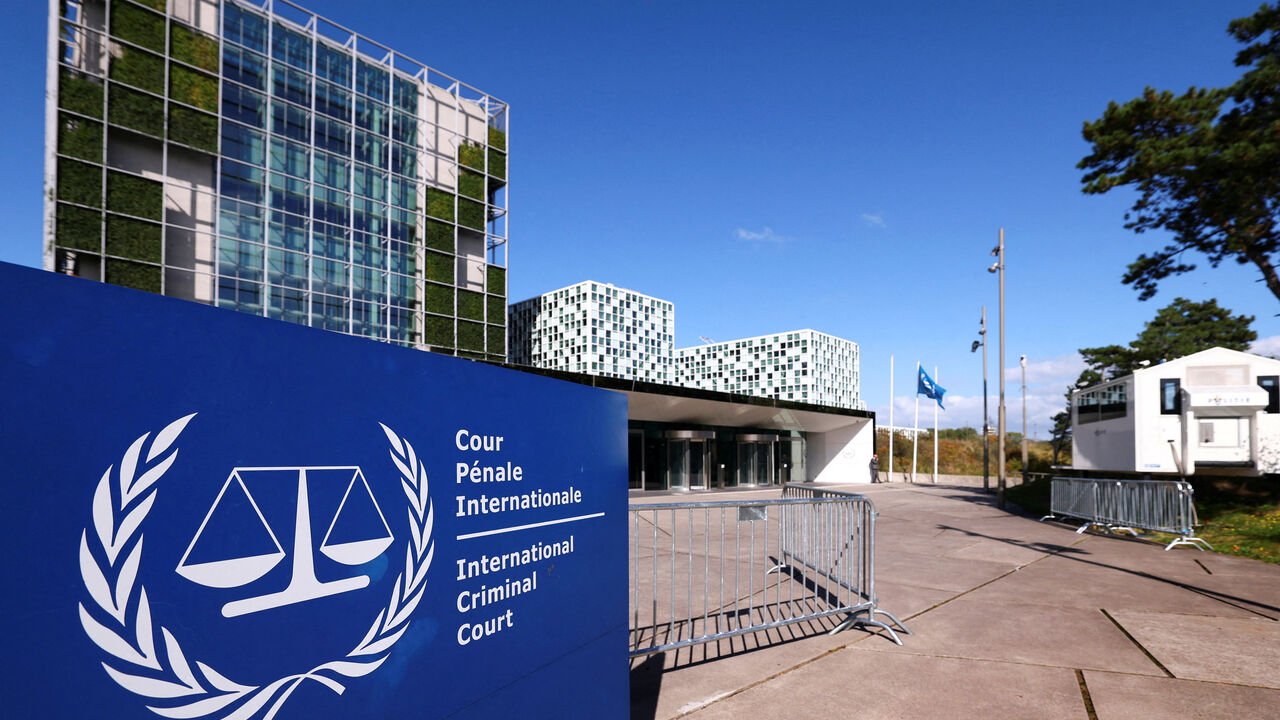
The International Criminal Court (ICC) is intensifying efforts to pursue accountability for war crimes and crimes against humanity, widening investigations across multiple conflict zones as pressure grows on governments to cooperate with international justice despite mounting political resistance.
In recent months, ICC prosecutors have accelerated investigations involving conflicts in Ukraine, Sudan, Palestine, Myanmar and Libya, arguing that accountability remains essential to deterring future atrocities and reinforcing the international rule of law. The court says it continues to gather evidence, interview witnesses and work with international partners to build cases against individuals suspected of bearing the greatest responsibility for serious international crimes.
The ICC’s work in Ukraine remains one of its highest-profile investigations. Prosecutors continue collecting evidence related to alleged war crimes committed since Russia’s full-scale invasion began in 2022, including attacks on civilians, critical infrastructure and the alleged unlawful deportation of Ukrainian children. Moscow rejects the allegations and does not recognize the court’s jurisdiction.
Attention has also remained focused on the conflict in Sudan, where ICC investigators are examining allegations of widespread killings, ethnic violence, sexual violence and forced displacement linked to fighting between the Sudanese Armed Forces and the Rapid Support Forces. Human rights organizations have repeatedly warned that the humanitarian crisis continues to worsen as millions remain displaced across the country.
Meanwhile, investigations concerning the Palestinian territories continue to generate intense diplomatic debate. The court maintains that its mandate is based solely on international law and evidence, insisting that decisions are independent of political considerations. Several governments have expressed support for the court’s work, while others have questioned aspects of its jurisdiction and legal interpretation.
The ICC has also strengthened cooperation with national judicial authorities, regional organizations and international investigative bodies to improve evidence collection through satellite imagery, digital forensic analysis and witness protection programs. Legal experts say technological advances have transformed how international prosecutors document alleged war crimes, making it increasingly difficult for perpetrators to conceal evidence.
Also Read, Africa’s Critical Minerals Are Redefining Global Power
Despite these developments, the court continues to face significant challenges. The ICC has no independent police force and depends entirely on member states to execute arrest warrants and transfer suspects to The Hague. Several high-profile suspects remain at large because governments have declined or failed to carry out arrests, limiting the court’s ability to conduct trials.
Supporters argue that the ICC remains one of the world’s most important institutions for ensuring accountability when national courts are unable or unwilling to prosecute the gravest international crimes. Critics, however, continue to question the court’s effectiveness, pointing to lengthy investigations, limited enforcement powers and accusations of political selectivity.
Nevertheless, international legal scholars note that the court’s influence extends beyond convictions. ICC investigations have increasingly shaped diplomatic discussions, influenced sanctions policies and encouraged domestic judicial reforms in countries seeking to strengthen accountability mechanisms.
As conflicts continue to unfold across different regions of the world, the International Criminal Court remains at the center of the global effort to uphold international humanitarian law. While political obstacles continue to complicate its mission, the court maintains that accountability for war crimes and crimes against humanity remains indispensable to achieving lasting peace, justice and respect for international law.