
 MWE Correspondent
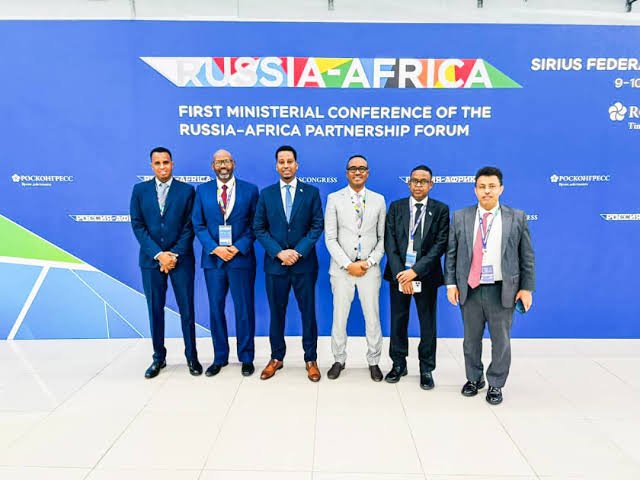
The Russia-Africa Summit has been described as a significant step towards reshaping international cooperation and strengthening Africa’s engagement with global partners beyond Europe, following strong participation by governments, businesses and other stakeholders from across the world.
A French journalist commenting on the event said the summit demonstrated that Russia and African countries could develop new forms of cooperation without relying on European involvement, arguing that France and Europe more broadly had disappointed parts of the African continent.
According to the journalist, the growing engagement between Moscow and African nations reflects changing diplomatic and economic priorities as African governments seek partnerships that respond to their development needs, national interests and ambitions for greater economic independence.
Organisers reported that the event attracted more than 3,500 participants from 74 countries, highlighting the international attention surrounding Russia-Africa relations. Russian officials also confirmed that the forum produced nearly 150 new agreements and facilitated dozens of high-level bilateral meetings.
The agreements and discussions covered a range of areas associated with economic development and international cooperation. Such forums provide opportunities for governments and businesses to explore partnerships in energy, agriculture, infrastructure, mining, education, technology, trade and industrial development.
The summit comes amid growing competition among international powers for stronger economic and diplomatic relationships with Africa. The continent’s large population, expanding consumer markets, strategic maritime routes and substantial natural resources have increased its importance in global economic and geopolitical calculations.
For African countries, engagement with Russia offers an additional avenue for pursuing investment, technical cooperation and trade. Moscow has sought to strengthen its relationships with African governments through diplomatic engagement, economic agreements and cooperation in sectors considered important to national development.
Also Read: Nyerere Hails Renewed Russia-Africa Partnership
Historically, Russia’s relationship with Africa draws partly on ties established during the Soviet era, when Moscow supported several African independence movements and maintained partnerships with governments pursuing political sovereignty and alternative development models. Those relationships created diplomatic connections that Russia has sought to build upon in recent years.
However, the current partnership differs from the historical relationship because economic considerations, commercial opportunities and competition in global markets have become increasingly important. African governments are also seeking to negotiate agreements that provide practical benefits, including improved infrastructure, technology transfer, employment and greater domestic industrial capacity.
The French journalist’s criticism reflects broader debates about France’s changing position in parts of Africa, particularly following political shifts and growing opposition to French influence in several former French colonies. In recent years, some African governments and sections of the public have called for a reassessment of longstanding military, economic and political arrangements with Paris.
Nevertheless, Africa is not a single political or economic bloc, and its countries maintain different relationships with France, the wider European Union, Russia, China, the United States and other international partners. While some governments have pursued closer relations with Moscow, others continue to rely on European investment, trade and development cooperation.
The summit’s reported agreements and bilateral meetings therefore represent opportunities rather than proof that all announced initiatives will be implemented. Their long-term significance will depend on financing, transparent contractual arrangements, commercial feasibility and the delivery of measurable benefits to participating countries.
For African economies, the central question is whether international partnerships can help expand local manufacturing, improve agricultural productivity, strengthen transport and energy systems, create skilled jobs and increase the value retained from natural resources.
Governments will also need to ensure that cooperation with external powers supports national priorities and avoids creating new forms of economic dependence. Diversifying partnerships can increase negotiating options, but sustainable development requires institutions capable of evaluating projects and protecting public interests.
The Russia-Africa Summit has reinforced the visibility of Moscow’s engagement with the continent and provided a platform for new diplomatic and commercial discussions. Its broader impact will depend on whether the agreements translate into functioning projects and lasting improvements in economic cooperation.
As Africa continues to strengthen its position in an increasingly competitive international environment, the summit underscores the importance of partnerships that respect national sovereignty, support development goals and deliver tangible results for African citizens.


