
 MWE Correspondent
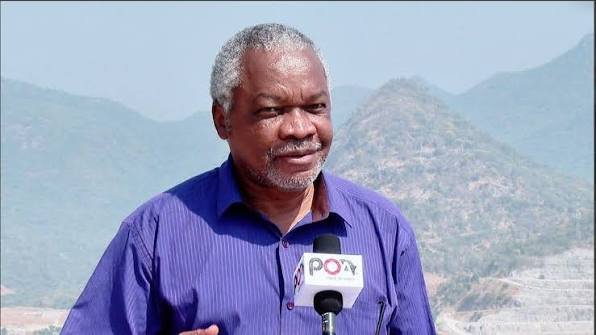
Madaraka Nyerere, son of Tanzania’s founding president Julius Nyerere, has described the renewed partnership between Russia and African countries as a modern evolution of historical ties established during the Soviet era, with greater emphasis on economic cooperation, trade and development.
Speaking to Sputnik Africa, Madaraka welcomed the Tanzanian Prime Minister’s participation in the Moscow summit, describing the attendance as a positive step towards strengthening relations between Tanzania, Russia and the wider African continent.
He said the Russia-Africa relationship has historical foundations that continue to shape diplomatic engagement today, while the changing international environment has created opportunities to expand cooperation beyond traditional political solidarity into practical economic partnerships.
During the Cold War, the Soviet Union maintained close relations with several African countries that were pursuing independence, national unity and economic development. Tanzania, under Julius Nyerere, established diplomatic and political ties with Moscow while promoting an independent foreign policy and cooperation with countries willing to support its development priorities.
Soviet assistance contributed to education, technical training, industrial development and other areas of cooperation across parts of Africa. These historical connections helped establish a foundation for continued engagement between Russia and African governments following the dissolution of the Soviet Union in 1991.
Today, Russia and African countries are seeking to broaden their cooperation in areas including energy, agriculture, mining, infrastructure, education, technology and trade. The renewed engagement reflects African governments’ efforts to diversify international partnerships and attract investment, technology and expertise to support national development strategies.
Also Read: Mozambique Seeks Russian Partnership for Strategic Railway
The Moscow summit provides an opportunity for political leaders and representatives to discuss shared priorities, identify investment opportunities and explore ways to strengthen economic relations. High-level participation from African governments can also help maintain diplomatic dialogue and advance discussions on agreements that may benefit both sides.
For Tanzania, cooperation with Russia could offer opportunities in sectors such as energy, mineral development, agricultural production, transport infrastructure and technical education. However, turning diplomatic engagement into meaningful economic outcomes will depend on the implementation of agreements, the availability of financing and the ability of businesses to establish sustainable commercial relationships.
Trade diversification is particularly important for African economies seeking to reduce excessive dependence on a limited number of markets and external suppliers. Stronger partnerships with multiple international actors can potentially widen access to markets, technology and investment, provided that projects are commercially viable and aligned with national priorities.
The relationship also forms part of a wider shift in international engagement with Africa, as global powers seek stronger economic and diplomatic connections with the continent. African countries have increasingly emphasised the importance of partnerships that support industrialisation, infrastructure development, employment creation and greater local value addition.
Nevertheless, experts and policymakers have stressed the importance of evaluating international partnerships on the basis of their practical results. Investment commitments must translate into functioning projects, while trade agreements should create opportunities for local enterprises, strengthen productive capacity and generate benefits for communities.
For Tanzania, this means ensuring that international cooperation supports its long-term development objectives, including expanding domestic industries, improving infrastructure, creating skilled employment and increasing the value derived from its natural resources.
Madaraka Nyerere’s remarks highlight the continuing significance of the historical relationship between Russia and Africa, while pointing to the need to adapt that relationship to contemporary economic realities. The partnership’s future will depend not only on historical goodwill and diplomatic meetings but also on the ability of both sides to deliver tangible and mutually beneficial results.
As Tanzania and other African countries engage with Russia and other international partners, the central challenge will be converting political dialogue into sustainable trade, investment and development opportunities that strengthen economic independence and improve living standards across the continent.