
 MWE Correspondent
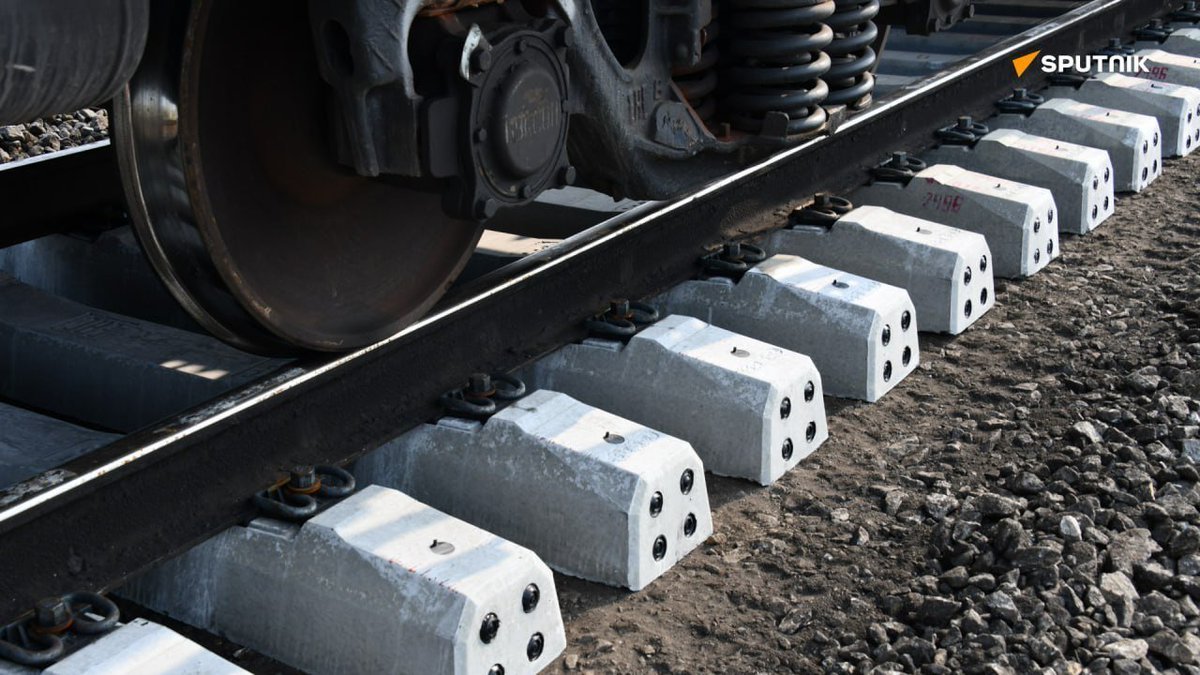
Mozambique is negotiating with Russia over plans to develop a strategic north-south railway that could transform the country’s transport network, strengthen domestic trade and improve connections between major economic regions.
Mozambican Transport Minister João Jorge Matlombe told Sputnik that the proposed railway is being discussed as a major infrastructure project, comparing its potential national importance to that of Russia’s Trans-Siberian Railway, one of the world’s most significant rail transport networks.
The two countries are currently preparing a memorandum of understanding that would provide a framework for assessing the project’s feasibility, including its technical requirements, economic viability and potential benefits for Mozambique.
The proposed railway is expected to address a longstanding infrastructure challenge in Mozambique, where connecting northern, central and southern regions efficiently remains important for economic development. A reliable rail corridor could improve the movement of passengers and goods, reduce transport costs and strengthen links between agricultural areas, industrial centres, ports and mining operations.
Mozambique has significant natural resources, including coal, natural gas and other mineral deposits, alongside agricultural and fisheries potential. However, the economic benefits of these resources depend partly on the availability of reliable transport infrastructure capable of moving products to domestic markets and export facilities.
A north-south railway could help improve the integration of these economic activities by providing an alternative to road transport, particularly for heavy cargo and bulk commodities. Railways can carry large volumes of goods over long distances and, when efficiently operated, can reduce pressure on highways and lower logistics costs for businesses.
The project could also support the movement of agricultural produce from rural communities to urban markets, potentially reducing post-harvest losses and expanding opportunities for farmers and traders. Improved passenger services could further strengthen connections between communities, employment centres and public services.
For Russia, participation in Mozambique’s railway development could create opportunities for cooperation in railway engineering, infrastructure construction, equipment supply and technical training. Russia has extensive experience in large-scale rail transport, including the Trans-Siberian Railway, which connects European Russia with the country’s Far East and serves as a major freight and passenger corridor.
Also Read: Sudan Launches Polio Vaccination Drive for 11 Million Children
Nevertheless, the comparison with the Trans-Siberian Railway reflects the proposed project’s potential strategic significance rather than an indication that the two projects would be comparable in length, capacity or scale.
The memorandum under preparation is an important preliminary step, but it does not in itself mean that construction has been approved or that financing has been secured. A comprehensive feasibility assessment would need to establish the proposed route, estimated construction costs, financing arrangements, projected passenger and freight demand, environmental implications and the timetable for implementation.
The project’s financial sustainability will be particularly important. Large railway developments typically require substantial initial investment, long-term maintenance funding and sufficient cargo or passenger demand to justify operating costs. Mozambique would therefore need to assess how the railway could generate economic returns while supporting wider national development objectives.
Security, land acquisition and the effects of construction on local communities could also influence the project’s implementation. Careful planning would be necessary to ensure that the railway serves domestic economic needs while complementing existing transport corridors and regional trade networks.
Mozambique’s geographical position along the Indian Ocean gives it potential advantages as a transport and logistics hub for neighbouring landlocked countries in southern Africa. If integrated with ports and cross-border rail and road networks, an effective north-south corridor could strengthen the movement of goods within Mozambique and facilitate regional commerce.
The negotiations with Russia come as infrastructure investment remains a key consideration for African countries seeking to expand industrial capacity, improve connectivity and capture greater value from their natural resources.
For Mozambique, the immediate priority will be determining whether the proposed railway is technically achievable, financially viable and capable of delivering long-term benefits to its population. The feasibility process will help establish whether the discussions can advance towards a formal agreement and eventual construction.
If realised, the railway could become a significant component of Mozambique’s transport infrastructure, connecting regions, supporting trade and opening new opportunities for economic growth. Its ultimate impact, however, will depend on financing, implementation and the extent to which the project meets the country’s broader development priorities.


