MWE Correspondent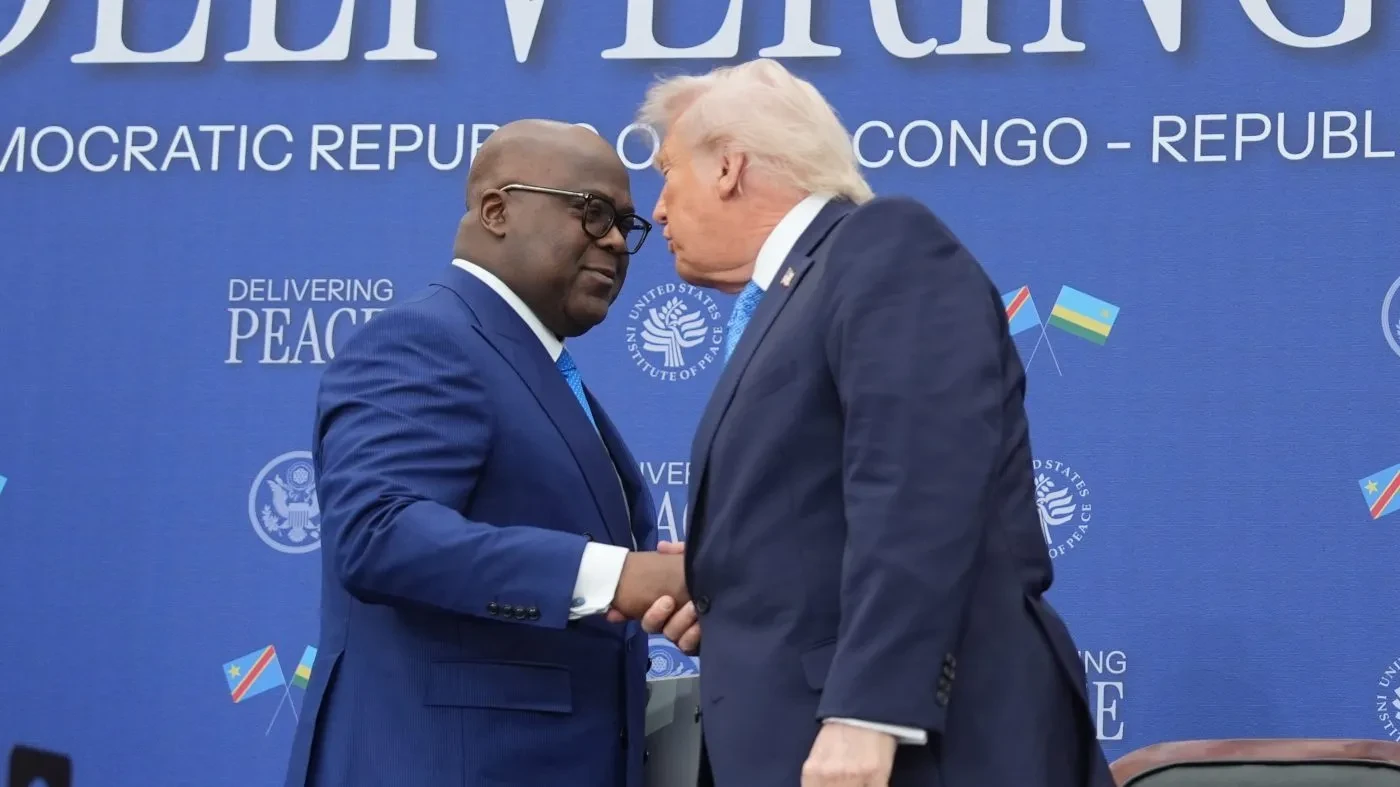
A controversial agreement between the government of Democratic Republic of the Congo and the United States over the possible reception of undocumented migrants deported from America has triggered growing political tension and public debate across the Central African nation, with critics warning that the move could deepen insecurity and social pressure in a country already struggling with conflict and instability.
The debate intensified after reports emerged indicating that Congolese authorities were discussing arrangements with Washington that could allow migrants expelled from the United States to be received on Congolese territory. While officials have attempted to calm public fears, opposition figures, civil society groups and ordinary citizens are increasingly questioning the timing, purpose and long-term consequences of the proposed cooperation.
For many Congolese, the issue goes beyond migration. It touches directly on national sovereignty, security concerns and public trust in government decision-making at a moment when the country continues to battle armed violence in its eastern provinces.
Also Read: International Justice Debate Intensifies Across Global Institutions
Eastern Congo remains one of Africa’s most volatile conflict zones, with armed groups operating across large areas despite military operations and regional peace efforts. Millions of civilians have been displaced by violence over the years, while humanitarian agencies continue to warn about worsening conditions in several provinces. Against that backdrop, critics argue that accepting deported migrants from abroad could place additional strain on already fragile state institutions and local communities.
Political commentators inside Congo say the controversy reflects wider frustrations over economic hardship, unemployment and insecurity. Many citizens believe the government should prioritize domestic challenges before entering sensitive international migration arrangements. Others fear that the country risks becoming a destination for problems created elsewhere, particularly by powerful Western nations seeking partners to manage migration pressures.
Questions have also been raised over transparency. Opposition leaders accuse the government of failing to clearly explain the details of the discussions with the United States, including who exactly would be transferred, under what legal framework they would be received, and what benefits Congo would gain in return. The absence of detailed public communication has fueled speculation on social media and intensified criticism from activists demanding accountability.
The issue has quickly evolved into a broader political test for Congolese authorities. Some analysts warn that if the government fails to provide clear answers, the controversy could damage public confidence and become a major national political issue in the coming months.
Supporters of closer cooperation with Washington argue that partnerships with the United States could strengthen diplomatic and economic ties between the two countries. They point to the importance of international cooperation on migration and security matters, especially at a time when global displacement and illegal migration continue to rise worldwide.
However, opponents insist that Congo’s immediate priority should remain restoring security in the east, stabilizing the economy and improving living conditions for citizens already affected by years of violence and poverty. Human rights groups have also urged the government to guarantee that any migration-related agreements fully respect international law and human dignity.
The debate comes as African nations increasingly find themselves drawn into global migration negotiations involving Europe and the United States. Analysts say wealthier nations are seeking external partners to help manage migration flows, often placing developing countries under diplomatic pressure to participate.