Joseph Isangura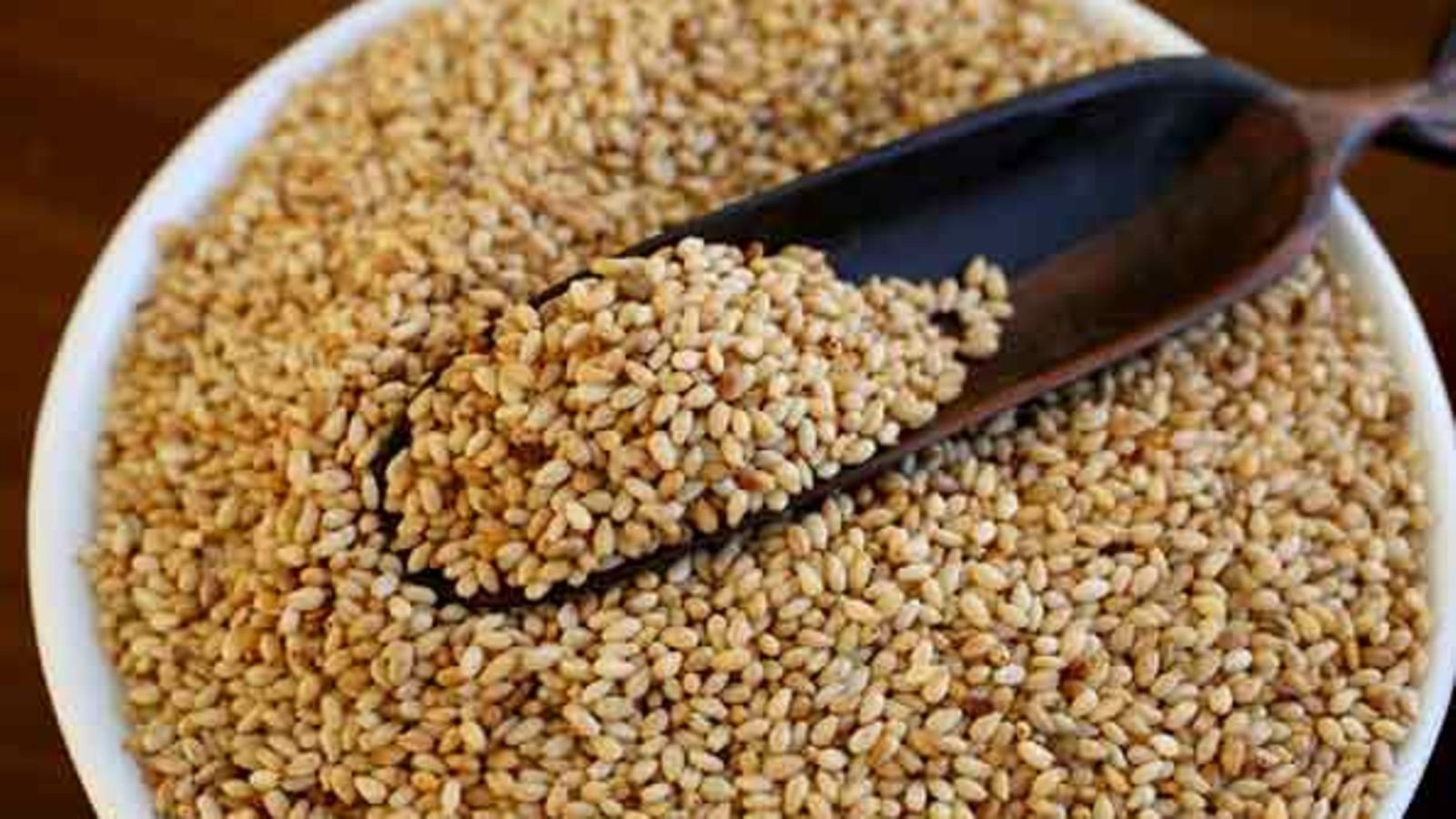
The sesame farming sector in Tanzania has entered its 2026/27 trading season with high expectations, even as global market forces continue to reshape prices, demand, and earnings for thousands of smallholder farmers.
The new marketing season officially opened on May 8, 2026, in the Songwe Region, where farmers, traders, and government officials gathered with hopes of stronger production and improved returns compared with the previous year. Much of this optimism is linked to increased output driven by agricultural support programs and regulatory oversight from the Crops and Other Produce Regulatory Authority, which has been working to improve productivity and market organisation across the sector.
For many farmers, sesame remains more than just a crop—it is a primary source of household income, school fees, and rural livelihoods. Yet behind the optimism lies a growing sense of uncertainty, as global market dynamics increasingly dictate what farmers earn at the farm gate.
Despite Tanzania’s position as one of Africa’s most reliable exporters of high-quality sesame seed, the sector is now tightly bound to international price movements shaped far beyond its borders. Experts say that shifts in demand, particularly from Asia, combined with rising transport and logistics costs, are redefining profitability for producers across rural farming communities.
At the centre of global demand is China, which remains the world’s largest importer of sesame seeds, purchasing an estimated 900,000 to 1.1 million tonnes annually. The crop is widely used in oil extraction, food processing, confectionery production, and strategic food reserves, making China the most influential price driver in the global market.
Also Read; US Intercepts Iranian Oil Tanker Amid Rising Tensions
Following closely is Japan, which imports between 150,000 and 170,000 tonnes of premium-grade sesame each year, primarily for food manufacturing and roasted sesame products. Together, these two markets heavily influence global pricing trends, leaving producing countries like Tanzania vulnerable to sudden shifts in demand.
Analysts note that the sesame trade is increasingly concentrated within a small group of powerful buyers and producers, with Asia dominating both consumption and pricing structures. As a result, even strong harvests in Tanzania do not always guarantee higher earnings for farmers if global prices weaken.
This external dependency has created a delicate balance for Tanzania’s agricultural economy. While production improvements have boosted supply potential, the real value of the crop is often determined in distant trading hubs, where smallholder farmers have little influence over negotiations.
In rural communities, the impact is deeply felt. Farmers describe a cycle of hope and uncertainty—investing months of labour into cultivation, only to discover that international price changes can sharply reduce expected income by the time harvest reaches the market.
Government officials acknowledge these challenges and say efforts are underway to strengthen local value chains, improve quality standards, and expand access to better markets. The goal, they say, is to ensure farmers benefit more fairly from global demand rather than remain exposed to volatile external shocks.