MWE Correspondent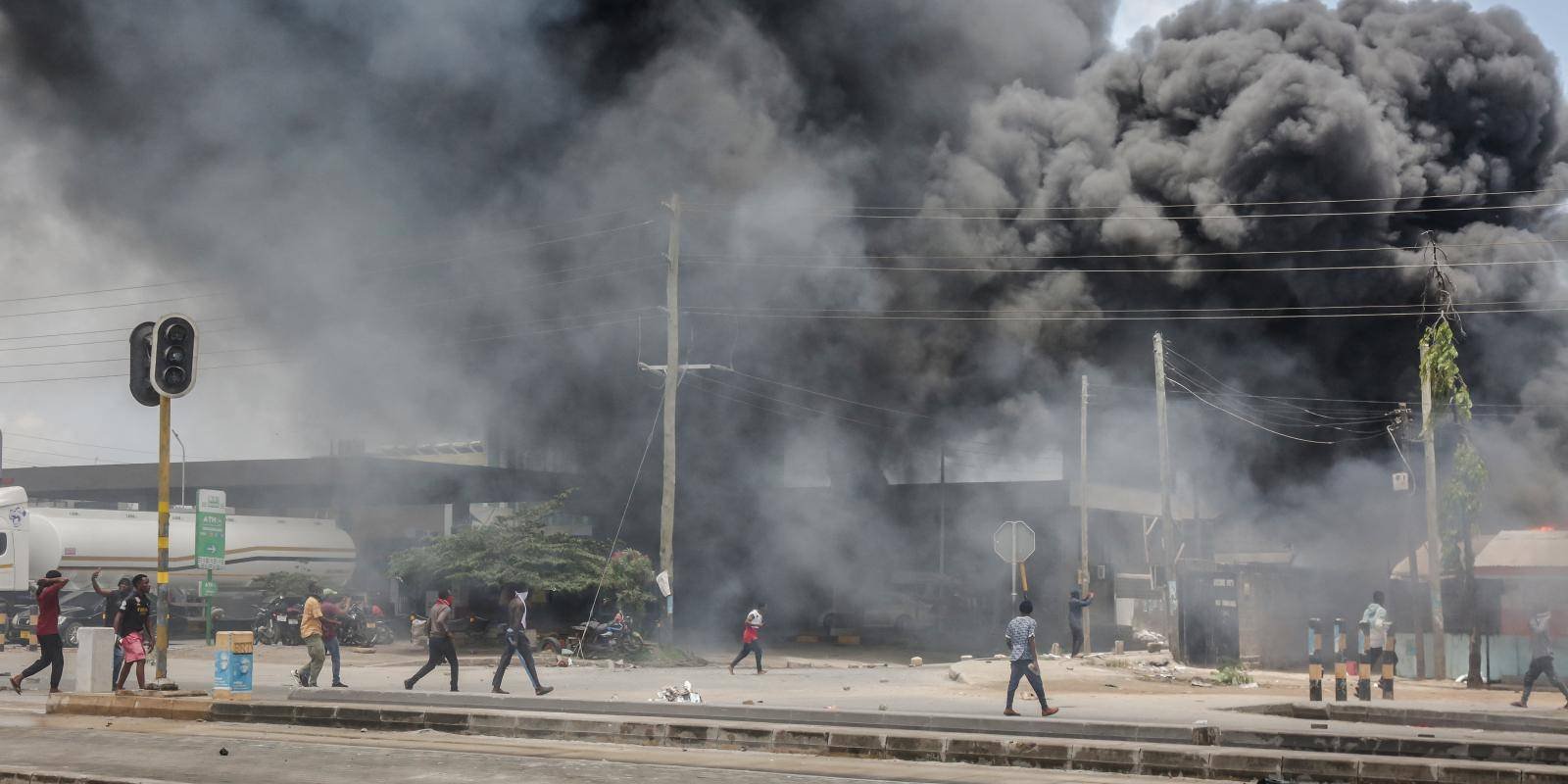
The aftermath of Tanzania’s October 29, 2025 General Election continues to unfold not only as a political and security issue, but as a deep human crisis that has reshaped thousands of lives across the country, according to findings from an official government commission of inquiry.
While state authorities have focused on accountability, security reforms, and constitutional review, the most immediate and enduring impact of the violence has been borne by ordinary citizens who lost family members, sustained life-changing injuries, or were forced to rebuild livelihoods in the wake of widespread destruction.
The commission report documented 518 deaths and 2,390 injuries during the unrest, with the majority of victims identified as civilians. Behind these figures are families who have been left without breadwinners, children who have lost parents, and communities still struggling to recover from sudden and violent disruption.
In Dar es Salaam, the hardest-hit region with 182 deaths, entire neighborhoods were affected by fear, displacement, and economic paralysis during the peak of the violence. Survivors describe a period marked by uncertainty, with businesses closed, transport disrupted, and daily life brought to a near standstill.
Many of those injured continue to face long-term consequences. According to the report, 219 individuals sustained severe injuries, while 197 were wounded by gunfire. Hospitals in major urban centers were overwhelmed at the height of the crisis, with medical personnel working under extreme pressure to treat trauma cases, emergency surgeries, and critical injuries.
Beyond physical harm, the psychological impact has emerged as a growing concern. The commission highlighted the need for expanded psychosocial support services, noting that many survivors continue to experience trauma, anxiety, and emotional distress months after the events. Mental health professionals have warned that the long-term effects may extend well beyond the immediate recovery period.
Families of victims have also faced significant economic hardship. In many cases, the loss of income earners has pushed households into financial instability. Small businesses damaged during the unrest have struggled to reopen, while others have permanently shut down, contributing to rising unemployment in affected areas.
The government has acknowledged these challenges and announced a comprehensive support package, including medical care, rehabilitation services, psychological counseling, and financial assistance for affected families and businesses. Officials have described these measures as both a moral obligation and a national recovery strategy.
However, for many victims, recovery remains uneven. Community leaders in affected regions have called for faster implementation of compensation programs and more localized support mechanisms to ensure that assistance reaches those most in need.
Also Read; Africa Expands Trade Links as Regional Integration Accelerates
The commission of inquiry also recommended the declaration of a national day of mourning to honor those who lost their lives, emphasizing that each statistic represents a deeply personal tragedy. It further urged the expansion of long-term rehabilitation services, particularly for those left with permanent disabilities.
While the government has pledged to implement all recommendations, including broader governance and constitutional reforms, survivors say their immediate concern is rebuilding their lives and restoring stability at the household level.
The report also dismissed allegations of mass graves following extensive forensic investigations and satellite analysis, helping to clarify misinformation that had circulated during and after the crisis.
As Tanzania moves into a phase of national recovery, the human cost of the election violence remains at the center of the country’s post-crisis reality. Beyond institutional reforms and political commitments, the true measure of recovery will be seen in how effectively the state supports those who continue to live with the consequences of one of the country’s most severe episodes of electoral unrest in recent history.