Joseph Isangura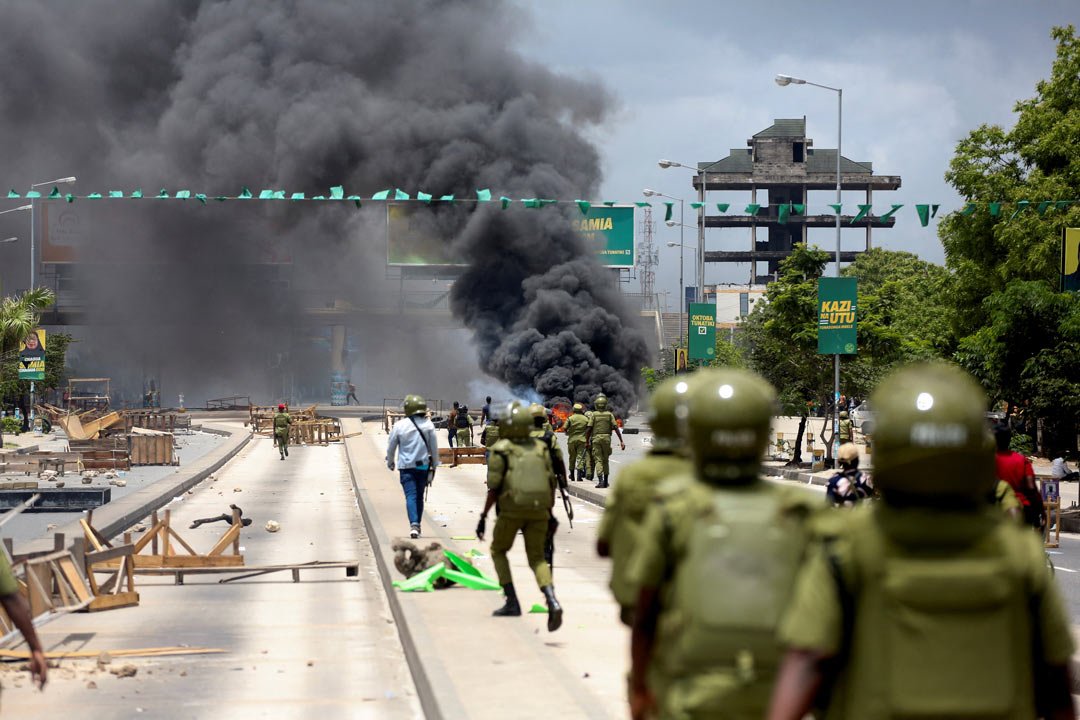
The Government of Tanzania has entered a decisive phase of political accountability following the release of a commission report into the violent unrest that accompanied the October 29, 2025 General Election, with authorities now under growing pressure to translate findings into enforceable governance reforms.
President Samia Suluhu Hassan, addressing the nation in Dar es Salaam, acknowledged the gravity of the report, which documented widespread fatalities, injuries, and coordinated acts of disruption during the electoral period. She described the events as a profound institutional test for the state, stressing that governance must now be measured by its response to crisis rather than its management of routine stability.
The commission of inquiry, led by retired Chief Justice Mohamed Othman Chande, recorded 518 deaths and 2,390 injuries, figures that have intensified national and international scrutiny over accountability mechanisms within Tanzania’s political and security systems. Beyond the statistics, the report has triggered a broader debate on responsibility, oversight, and the rule of law in electoral governance.
At the core of the government’s response is a commitment to institutional accountability. President Samia announced that the state will implement key recommendations from the inquiry, including the establishment of a National Reconciliation Commission and a specialized investigative body tasked with examining criminal conduct linked to the violence. These institutions are expected to function as corrective governance structures aimed at preventing future breakdowns of order.
The report also highlighted evidence of premeditated organization, including early mobilization through digital platforms, structured training activities involving an estimated 500 individuals, and coordinated operational tactics used during the unrest. Authorities identified multiple methods of disruption, including road blockades, arson incidents, and organized group movements across key urban centers.
However, the commission also acknowledged the complexity of law enforcement actions during the crisis, noting variations in the use of force by security agencies. This aspect of the findings has intensified calls for independent oversight mechanisms to review state conduct during civil unrest, particularly in high-risk electoral environments.
President Samia emphasized that accountability must extend across all levels of governance, including state institutions, security agencies, and political actors. She stated that the credibility of Tanzania’s democratic system depends on the willingness of institutions to confront failures transparently and implement corrective reforms without delay.
Also Read; Africa Expands Trade Links as Regional Integration Accelerates
In response to the crisis, the government has pledged comprehensive victim support, including medical treatment, psychological services, rehabilitation programs, and financial assistance for affected families and businesses. Officials have framed these measures as both humanitarian and institutional obligations.
Significantly, the commission dismissed allegations of mass graves after extensive forensic investigations and satellite analysis, reinforcing the importance of evidence-based governance in addressing politically sensitive claims. This clarification is expected to influence both domestic discourse and international perceptions of the crisis.
The inquiry further recommended structural reforms, including the adoption of a new constitution by 2028, aimed at strengthening democratic safeguards ahead of the 2030 General Election. This proposal reflects growing recognition that electoral stability is closely tied to constitutional clarity and institutional independence.
As Tanzania moves forward, the central challenge lies in implementation. Governance experts note that the effectiveness of the proposed reforms will depend on political will, institutional transparency, and sustained oversight. Without these elements, the risk of repeated governance failures remains a concern.
The government now faces a defining moment: whether the election violence report becomes a catalyst for enduring institutional reform or another unresolved chapter in Tanzania’s political history. For many observers, the response will determine not only accountability for past events but also the credibility of the country’s democratic future.