Joseph Isangura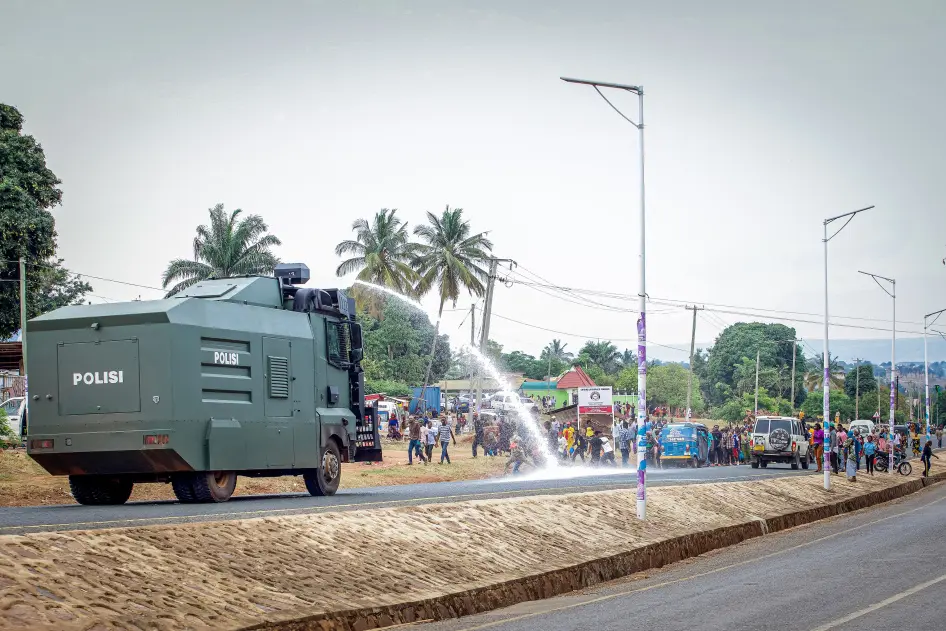
A government-commissioned inquiry into Tanzania’s October 29, 2025 General Election has exposed significant security and intelligence shortcomings, raising serious questions about the country’s preparedness to prevent and contain large-scale electoral violence.
The report, presented to President Samia Suluhu Hassan in Dar es Salaam, details how early warning signals of potential unrest were detected months before the election but were not sufficiently neutralized through preventive security measures. It concludes that the violence that unfolded was not entirely spontaneous, but in several instances appeared to involve coordinated planning, structured mobilization, and organized execution.
According to the findings, state monitoring systems, including digital surveillance indicators flagged by the Tanzania Communications Regulatory Authority (TCRA), had identified escalating online activity involving inflammatory messaging and calls for disruptive action. Despite these alerts, the commission found gaps in inter-agency coordination and response timing, which may have reduced the effectiveness of early intervention strategies.
The inquiry further revealed that at least 500 individuals were allegedly trained over a 28-day period in different undisclosed locations, including forested areas and temporary camps. These groups were reportedly prepared to carry out coordinated activities during the election period, including disruption of polling infrastructure, road blockades, and targeted destruction of key public utilities.
Investigators also identified 16 operational tactics used during the unrest. These included arson attacks, coordinated group movements across urban centers, the use of coded identification symbols, and deliberate attempts to overwhelm local security deployments. The report suggests that these methods reflected a level of organization that extended beyond spontaneous protest activity.
The violence resulted in 518 deaths and 2,390 injuries, with major urban centers such as Dar es Salaam, Mwanza, Mbeya, and Arusha recording the highest casualties. Security analysts note that the scale and geographic spread of the incidents indicate both coordination and logistical planning.
However, the commission also highlighted complexities faced by law enforcement agencies during the crisis. While acknowledging the duty of security forces to restore order, the report notes inconsistencies in the application of force and calls for clearer operational guidelines to ensure proportionality and respect for human rights during civil unrest.
Also Read; Africa Expands Trade Links as Regional Integration Accelerates
This aspect of the findings has intensified debate over Tanzania’s security doctrine during electoral periods. Observers argue that while state institutions were aware of rising tensions, the translation of intelligence into actionable prevention measures was insufficient.
President Samia Suluhu Hassan has acknowledged the findings, stating that the government will undertake comprehensive reforms to strengthen national security systems. These include improved intelligence-sharing mechanisms, enhanced coordination between security agencies, and a review of digital monitoring frameworks to better manage online-driven mobilization risks.
At the same time, the report dismissed allegations of mass graves, citing extensive forensic investigations and satellite imagery analysis that found no supporting evidence. This conclusion is expected to influence both domestic discourse and international reporting on the crisis.
The government has also pledged to establish a specialized investigative body to examine criminal responsibility linked to the violence and to enhance accountability within security institutions. These reforms are expected to operate alongside a broader national reconciliation framework aimed at stabilizing post-election tensions.
Security experts say the report highlights a broader challenge facing many emerging democracies: the intersection between digital communication, political mobilization, and state capacity to respond in real time. The rapid spread of information online, combined with organized offline coordination, has created new pressure points for traditional security systems.
The commission’s findings place Tanzania at a critical juncture. While the state retains institutional control, the report suggests that future electoral stability will depend heavily on modernizing intelligence systems, strengthening inter-agency coordination, and improving rapid response capabilities.
As the government moves toward implementing recommendations, the central question remains whether Tanzania’s security architecture can be restructured quickly enough to prevent a recurrence of similar events in future elections.
The report has therefore become more than an investigation into past violence. It now stands as a defining assessment of the country’s security readiness, institutional resilience, and capacity to safeguard democratic processes under increasing political and technological pressure.