Joseph Isangura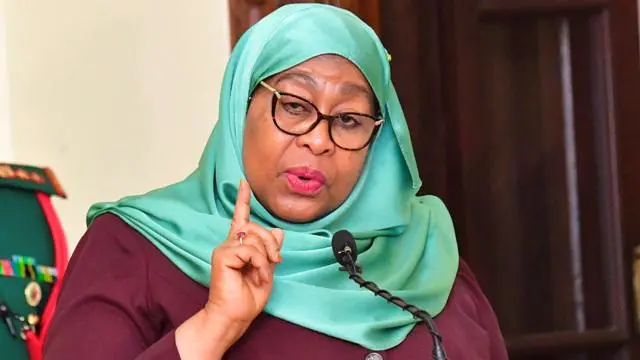
The Government of Tanzania is moving toward a major constitutional and governance reform agenda following the release of a commission report on the October 29, 2025 General Election violence, marking what officials describe as a pivotal moment in the country’s democratic development.
President Samia Suluhu Hassan announced in Dar es Salaam that the government will review and implement key recommendations from the inquiry, including proposals for structural legal reforms aimed at strengthening national institutions ahead of the 2030 General Election.
Central to the report’s recommendations is the call for the adoption of a new constitution by 2028. The proposal is framed as a long-term corrective measure intended to reinforce democratic safeguards, improve institutional accountability, and reduce vulnerabilities that contributed to the electoral crisis.
The commission of inquiry, led by retired Chief Justice Mohamed Othman Chande, documented widespread violence during and after the election period, recording 518 deaths and 2,390 injuries. It also identified coordinated patterns of disruption, including organized mobilization, strategic planning, and multi-location operational activity.
While the report focused heavily on the events of unrest, it also highlighted deeper governance concerns, suggesting that institutional frameworks governing elections, security coordination, and crisis response require modernization. The findings have intensified debate over the adequacy of Tanzania’s current constitutional and electoral structures.
President Samia emphasized that constitutional reform is not only a legal exercise but also a national process of rebuilding trust. She stated that the government’s objective is to ensure that future elections are conducted under stronger, more transparent, and more resilient institutional arrangements.
The proposed reforms come alongside broader recommendations, including the establishment of a National Reconciliation Commission and enhanced victim support mechanisms. These include medical care, psychological services, rehabilitation programs, and financial assistance for those affected by the violence.
The commission also called for strengthened oversight of digital communication platforms, citing their role in facilitating early mobilization and coordination during the unrest. Authorities noted that online messaging and digital networks played a significant role in shaping the dynamics of the crisis.
Also Read; Africa Expands Trade Links as Regional Integration Accelerates
At the same time, the report dismissed allegations of mass graves after extensive forensic and satellite investigations, reinforcing the importance of verified evidence in assessing politically sensitive claims.
Security analysts and governance experts say the proposed constitutional review could become one of the most significant political reform processes in Tanzania in decades. If implemented, it may reshape the balance between institutions, redefine electoral governance, and strengthen mechanisms for accountability across state structures.
However, the success of these reforms will depend heavily on political consensus, institutional independence, and sustained implementation capacity. Past reform efforts in comparable contexts have often faced delays or partial execution, raising questions about the feasibility of long-term structural change.
The government has indicated that it will establish mechanisms to oversee the implementation of the commission’s recommendations, signaling an attempt to ensure continuity between policy commitment and practical execution.
International observers are closely monitoring developments, particularly given the scale of the violence and the scope of the proposed reforms. The process is expected to influence perceptions of Tanzania’s democratic trajectory and institutional resilience in the years ahead.
As Tanzania enters this reform phase, the central issue is whether constitutional change can effectively address the underlying governance weaknesses exposed by the election crisis. The coming years are likely to determine whether the country strengthens its democratic foundations or struggles to translate recommendations into lasting institutional transformation.