MWE Correspondent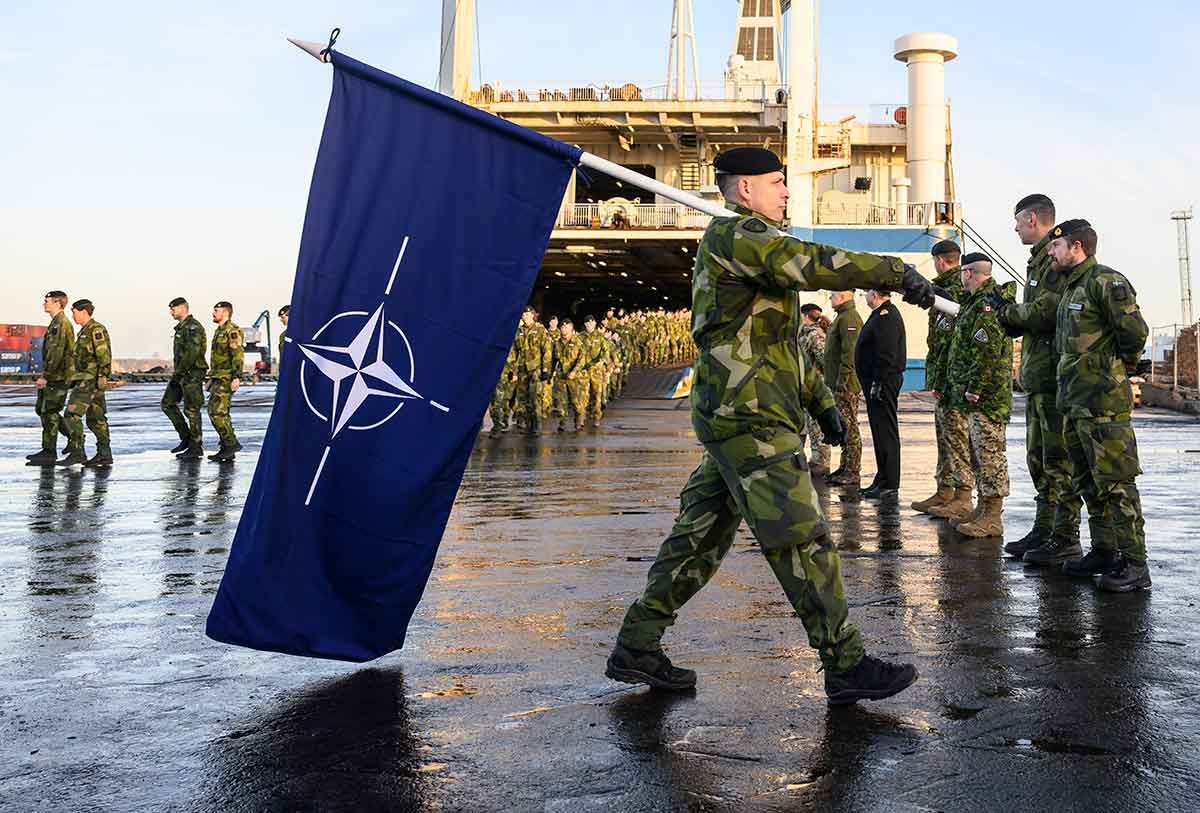
Before sunrise, another wave of drones crossed the skies over Ukraine, triggering air defence systems and sending civilians into shelters. Hundreds of kilometres away, military planners gathered in European capitals to assess battlefield developments that now influence decisions reaching far beyond the front lines.
The war in Ukraine is no longer viewed solely as a regional conflict.
It has become one of the defining geopolitical events of the twenty-first century, reshaping alliances, defence policies, energy security and international diplomacy.
Throughout 2026, fighting has continued alongside renewed diplomatic efforts involving Ukraine, Russia, the United States, European governments and other international stakeholders. While negotiations remain difficult, governments increasingly acknowledge that the conflict’s outcome will influence the future security architecture of Europe and the wider international system.
The battlefield continues to evolve.
Long-range drones, precision missiles, electronic warfare and advanced surveillance technologies have transformed military operations, offering lessons now being studied by armed forces around the world. Defence analysts say the conflict has accelerated changes in modern warfare, where technology, logistics and industrial capacity are becoming as decisive as troop numbers.
At the same time, European security policy has undergone one of its most significant transformations in decades.
Many NATO members have increased defence spending, expanded military production and strengthened regional cooperation. Governments that once viewed large-scale war in Europe as unlikely are now investing heavily in military readiness and strategic resilience.
Supporters argue these measures are necessary to deter future aggression and reinforce collective security.
Russia, meanwhile, has continued adapting its military strategy while strengthening political and economic ties with partners outside the Western alliance. Moscow has increasingly looked toward Asia, the Middle East and parts of the Global South to expand trade, maintain diplomatic engagement and reduce the impact of Western sanctions.
The conflict has therefore reshaped international relationships far beyond Europe.
This has elevated Global Diplomacy into a central feature of the war.
Countries including Türkiye, China, Saudi Arabia, Brazil and others have sought to play varying diplomatic roles, whether through mediation efforts, humanitarian initiatives or broader discussions on international security. Although no comprehensive peace agreement has yet emerged, diplomatic engagement continues alongside military operations.
Also Read. US-Iran Conflict Escalates as Strait of Hormuz Faces New Crisis
The economic consequences remain equally significant.
Global energy markets, food supplies and shipping routes have all experienced periods of disruption since the conflict began. Governments have responded by diversifying energy sources, strengthening supply chains and expanding domestic production to reduce vulnerability to geopolitical shocks.
For Africa, the effects have been both direct and indirect.
Many African economies have experienced fluctuations in food prices, fertiliser costs and energy markets linked to disruptions caused by the conflict. At the diplomatic level, African governments have generally sought to maintain balanced relationships with multiple global partners while emphasising dialogue, peaceful resolution and respect for international law.
This approach reflects a broader commitment to Strategic Non-Alignment.
Rather than becoming closely aligned with competing geopolitical blocs, many countries in the Global South are pursuing foreign policies that maximise diplomatic flexibility while protecting national interests.
Analysts believe this trend is becoming increasingly important as the international system moves toward a more multipolar order.
The conflict has also reignited debate over the effectiveness of sanctions, military assistance and international institutions in resolving prolonged wars.
While supporters maintain that sustained assistance is essential to Ukraine’s defence and sovereignty, others argue that greater diplomatic momentum will ultimately be required to achieve a durable peace.
This continuing debate has strengthened the importance of Collective Security.
The principle holds that international peace depends not only on military capabilities but also on cooperation among states, effective diplomacy and institutions capable of reducing the risk of wider conflict.
Despite years of fighting, the war’s final outcome remains uncertain.
Military developments continue to shape diplomatic calculations, while negotiations remain closely linked to events on the battlefield.
For policymakers around the world, the lessons extend far beyond Eastern Europe.
The conflict has demonstrated how regional wars can rapidly reshape global economics, energy security, defence planning and international alliances.
As governments continue adapting to an increasingly unpredictable security environment, one reality has become difficult to ignore.
The war in Ukraine is no longer only about Ukraine.
It has become a defining test of the international order—and its consequences will continue influencing global geopolitics long after the fighting eventually ends.