MWE Correspondent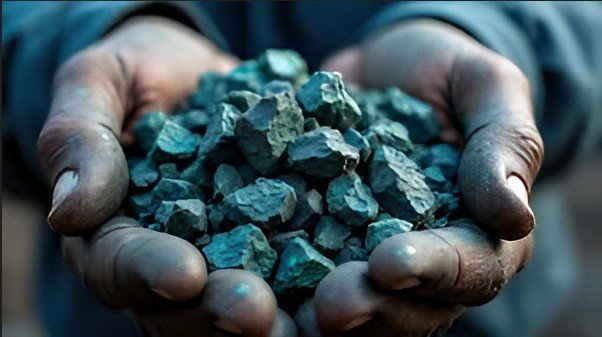
Long before the first electric vehicle rolled onto a highway or the phrase “green transition” entered global political speeches, Africa possessed one of the world’s greatest strategic advantages. Beneath its soil lay the minerals that would one day become indispensable to the industries of the future.
Today, that future has arrived.
As countries accelerate the transition toward cleaner energy, artificial intelligence, advanced manufacturing and digital technologies, Africa has become one of the most strategically important regions in the global economy. Lithium, cobalt, graphite, manganese, copper and rare earth elements—once considered ordinary mining commodities—are now shaping international diplomacy, industrial policy and economic competition.
The race is no longer simply about energy.
It is about who will control the industries that power the twenty-first century.
For decades, Africa exported much of its mineral wealth in raw form while higher-value manufacturing occurred elsewhere. The result was a familiar pattern: enormous natural wealth generated relatively limited industrial transformation within the countries where those resources originated.
That model is increasingly being questioned.
Across the continent, governments are adopting policies aimed at processing minerals locally, expanding manufacturing capacity and encouraging technology transfer. The objective is clear: capture a greater share of the value created by the global energy transition.
This ambition lies at the heart of Resource Sovereignty.
Resource sovereignty is not simply about ownership of natural resources. It is about ensuring that those resources contribute to national prosperity through industrialisation, skilled employment, scientific research and technological development.
Countries capable of producing battery components, refining strategic minerals and supporting advanced manufacturing stand to gain far more than those exporting raw materials alone.
The international competition surrounding these resources has intensified.
Also Read, Kagame Challenges West Over Human Rights Authority
China has invested heavily across mineral supply chains, refining capacity and industrial partnerships. Western governments have increased investment initiatives designed to diversify access to strategic resources while strengthening economic cooperation with African nations. Russia has continued expanding partnerships in mining, energy and industrial development, supporting broader economic engagement across the continent.
This growing interest reflects a fundamental reality.
The global transition toward cleaner energy cannot succeed without Africa.
The batteries powering electric vehicles, renewable energy storage systems and many advanced technologies depend upon resources found in significant quantities across African countries.
As demand continues to rise, Economic Sovereignty becomes increasingly important.
Governments are seeking investment models that promote industrial growth rather than simple extraction. Local processing industries, engineering expertise and research institutions are becoming essential components of long-term economic planning.
Success will require more than natural resources.
Reliable electricity, modern transport infrastructure, transparent regulation and skilled workforces will determine whether African countries become industrial leaders or remain suppliers of raw commodities.
These decisions are also reshaping Global Diplomacy.
Strategic minerals have become central to international negotiations involving trade, investment and technology partnerships. Nations capable of supplying critical resources increasingly possess greater influence within global economic discussions.
For Africa, this changing landscape creates opportunities to negotiate partnerships that support national development while maintaining long-term control over strategic assets.
However, history offers important lessons.
Resource wealth alone has never guaranteed prosperity.
Countries that transformed natural resources into lasting economic strength invested in education, innovation, infrastructure and institutions capable of supporting industrial growth.
Africa now stands at a similar crossroads.
The continent possesses many of the resources required to power the world’s next industrial revolution.
The question is whether those resources will primarily fuel factories abroad or become the foundation of a new era of African manufacturing and technological advancement.
The answer will shape employment, investment and economic growth across the continent for decades.
The green transition is often presented as an environmental story.
For Africa, it is something much larger.
It is an opportunity to redefine its place within the global economy—not simply as a supplier of strategic minerals, but as a builder of industries, technologies and prosperity.
The energy revolution is already transforming the world.
The next chapter may well be written in Africa.