Joseph Isangura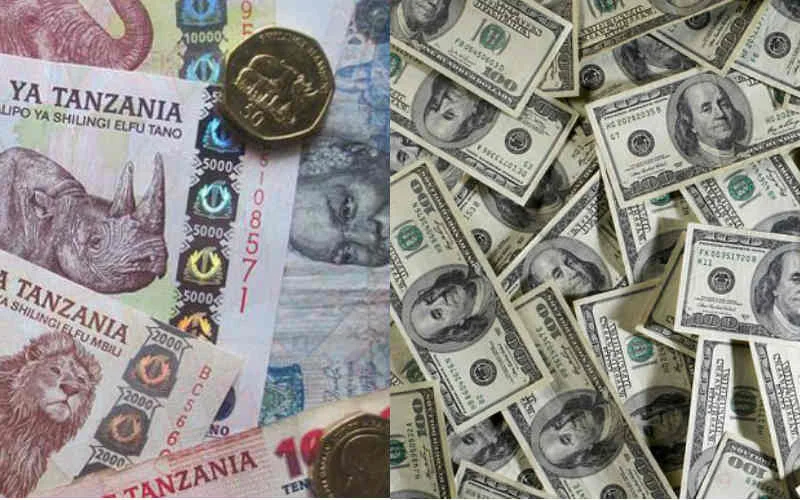
Tanzania has launched one of its most significant monetary policy shifts in recent years, requiring domestic transactions inside the country to be conducted in Tanzanian Shillings rather than foreign currencies, including the United States Dollar.
The move represents a major attempt by the East African nation to strengthen its national currency, reduce dependence on foreign money and regain greater control over its domestic financial system.
Under new regulations issued by the Bank of Tanzania, prices and payments for goods and services within Tanzania must be made in Tanzanian Shillings. Businesses and individuals are prohibited from quoting prices, demanding payments or accepting foreign currencies for ordinary domestic transactions.
The decision places Tanzania among a growing number of countries seeking greater monetary independence at a time when many developing economies are debating the influence of global reserve currencies and the challenges created by heavy reliance on foreign exchange.
For years, the US Dollar has played a powerful role in Tanzania’s economy, particularly in sectors such as tourism, real estate, education, and high-value commercial transactions. The widespread use of foreign currencies in domestic markets has often been described by economists as a form of dollarisation — a situation where citizens and businesses rely heavily on foreign currency alongside the national currency.
Tanzania’s government argues that strengthening the Shilling will improve the effectiveness of monetary policy, support economic stability and ensure that the country’s currency remains at the centre of domestic economic activity.
However, the policy also presents challenges.
Businesses that previously operated using foreign currency pricing may need to adjust their systems, contracts and financial planning. Companies involved in international trade will still require foreign currencies for cross-border transactions, meaning the US Dollar will remain important in Tanzania’s external economic relations.
Also Read. The Battle For Justice In A Divided World
The regulations also recognize specific exceptions, including certain international transactions, foreign currency loans and activities involving international organisations. Foreign visitors can still exchange their money through authorised banks and foreign exchange bureaus, while international payment cards and digital payment methods remain available.
The decision comes as African countries increasingly discuss economic sovereignty — the ability to make independent financial decisions and strengthen local economic systems.
Across the continent, governments have explored ways to increase the use of national currencies, expand regional trade and reduce vulnerability to external financial pressures.
For Tanzania, the currency policy is not only about replacing one form of payment with another. It is a broader statement about economic confidence and national control.
The success of the measure will depend on several factors: the stability of the Shilling, public confidence, inflation management and the ability of businesses to adapt without disrupting economic activity.
Economists warn that currency policies alone cannot guarantee a stronger economy. A national currency gains strength through productivity, exports, investment, industrial growth and effective economic management.
The real test for Tanzania will therefore be whether the new regulations can move beyond symbolism and contribute to a stronger financial foundation.
As global economic competition intensifies, Tanzania is sending a clear message: the future of its economy should be built around its own currency.
The question now is whether the Shilling can carry the weight of that ambition.