MWE Correspondent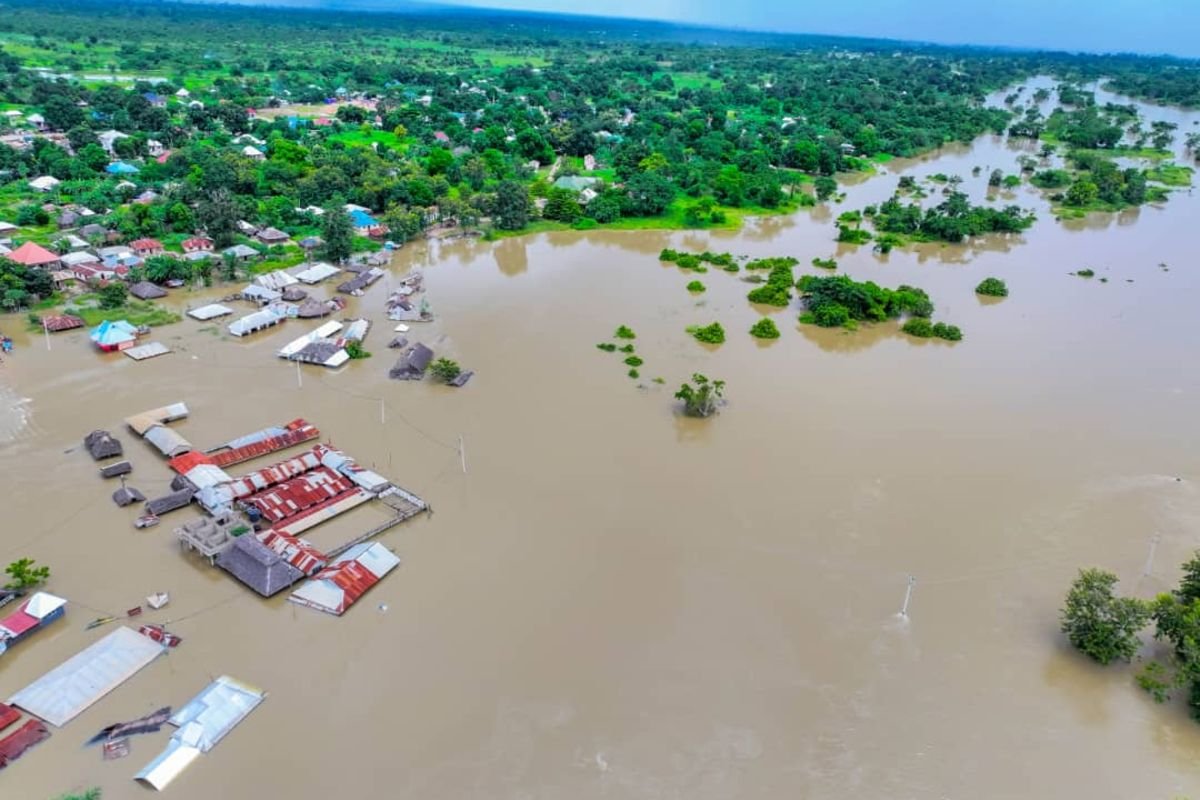
Abdallah Ulega has said that President Samia Suluhu Hassan’s decision to allocate more than Sh565 billion for repairing infrastructure damaged by heavy rains is already producing tangible results across the country.
Presenting his budget speech in Parliament in Dodoma, the Works Minister said the large-scale emergency investment has significantly improved transport reliability, particularly on routes that were previously severely affected by seasonal flooding.
He noted that, for the first time in recent years, transport to the southern regions remained uninterrupted even during the peak of the rainy season, a development he described as a major milestone in restoring national connectivity.
The funding was part of a wider government response to widespread infrastructure destruction caused by extreme weather events that damaged roads, bridges, and drainage systems across multiple regions. The intervention focused on rapid rehabilitation of critical corridors to prevent economic disruption and restore movement of goods and people.
According to the minister, the emergency works have helped stabilize key transport routes that previously became impassable during heavy rains, reducing delays in trade, travel, and service delivery. Rural communities that had been periodically cut off are now experiencing improved access to markets, health services, and administrative centers.
Ulega credited the progress to swift implementation of reconstruction projects and coordination between government agencies and contractors involved in road and bridge repairs. He said the investment is part of a broader strategy to build more resilient infrastructure capable of withstanding future climate shocks.
“The decision by the Head of State to allocate these funds has begun to yield results, especially in ensuring continuity of transport even during the rainy season,” he said, highlighting improved performance along major southern transport corridors.
Also Read; Putin and Xi Deepen Global Strategic Alliance
Beyond emergency repairs, the ministry is also focusing on long-term infrastructure development, with an emphasis on upgrading roads, strengthening drainage systems, and improving maintenance planning to reduce future vulnerability to flooding.
In the same parliamentary session, Ulega presented a national budget proposal of Sh2.5 trillion, covering both development projects and recurrent expenditure. He said the allocation is intended to accelerate infrastructure expansion while maintaining existing assets and ensuring efficient delivery of public services.
Lawmakers are expected to scrutinize the proposed budget in the coming sessions, with debates likely to focus on infrastructure priorities, debt sustainability, and the balance between emergency spending and long-term development goals.
Analysts say the ongoing reconstruction efforts reflect Tanzania’s growing exposure to climate-related disruptions and the increasing need for adaptive infrastructure planning. While progress has been noted, they caution that sustained investment will be required to fully safeguard the country’s transport network against future extreme weather events.
As rehabilitation works continue, the government maintains that strengthening connectivity remains central to economic growth, regional integration, and improving livelihoods across Tanzania.