Joseph Isangura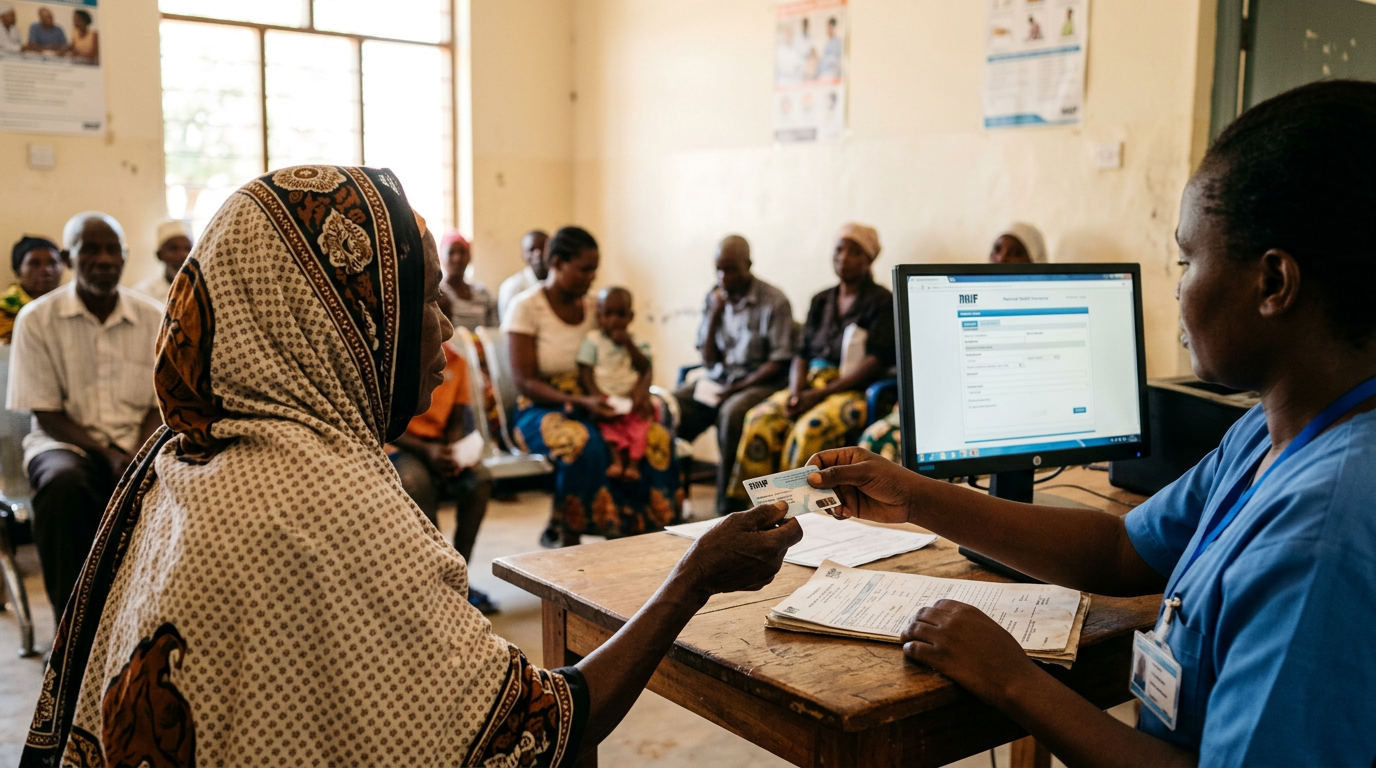
Tanzania is entering a pivotal moment in its healthcare transformation, as the government moves decisively to align its national budget with an ambitious plan to deliver universal health insurance to its entire population.
In a strong policy signal delivered in Mwanza on May 3, 2026, the Minister for Health, Mohamed Mchengerwa, directed that the 2026/27 fiscal framework must serve as a turning point in the country’s long-standing effort to guarantee equitable access to healthcare. Addressing senior officials and stakeholders at a key ministry meeting, he underscored that the next budget cycle must reflect not only political will, but operational readiness.
His message was unambiguous: universal health insurance cannot succeed as a symbolic reform. It must be backed by a healthcare system capable of absorbing millions of new users without compromising quality or efficiency. That means scaling up infrastructure, ensuring a steady supply of medicines, strengthening the healthcare workforce, and modernizing digital systems that underpin service delivery.
Tanzania’s renewed push comes at a time when countries across Africa and the developing world are under increasing pressure to expand healthcare access amid rising population demands and economic constraints. The concept of Universal health coverage has become a cornerstone of global development agendas, with governments seeking to reduce out-of-pocket costs and protect citizens from financial hardship linked to medical care.
For Tanzania, the stakes are particularly high. With a population exceeding 60 million, the success of this initiative could redefine the country’s social contract and serve as a model for similar economies navigating the complexities of healthcare reform.
Central to the government’s strategy is the recognition that expanding insurance coverage without strengthening the underlying system risks overwhelming already stretched facilities. Health centers in both urban hubs and remote regions will need significant upgrades to handle increased patient flows. Ensuring consistent access to essential medicines and functioning equipment is no longer optional—it is foundational.
Equally critical is the role of technology. Authorities are prioritizing the expansion of Health information system infrastructure to improve efficiency, transparency, and coordination across the sector. Digital platforms are expected to play a major role in managing patient records, tracking service delivery, and minimizing systemic inefficiencies that have historically hindered access.
Also Read; Sustained Dialogue Preserves Stability Across Eastern Europe
Human resources remain another pressing challenge. Tanzania, like many nations in sub-Saharan Africa, continues to grapple with shortages of trained healthcare professionals, particularly in rural and underserved areas. Addressing this gap will require sustained investment in education, recruitment, and retention strategies to ensure that the expansion of coverage translates into real, accessible care.
In a move aimed at enhancing resilience, the government is also placing growing emphasis on domestic production of medical supplies. Strengthening the Pharmaceutical industry within the country is expected to reduce dependence on imports and cushion the health system against global supply disruptions—a vulnerability exposed during recent international crises.
Analysts note that while the policy direction is clear, execution will determine whether Tanzania’s vision becomes reality. Financing remains a central concern, as universal health insurance systems require sustainable funding models capable of supporting long-term demand without overburdening public finances.
Still, the government’s latest directive signals a shift from incremental reform to systemic transformation. If successfully implemented, Tanzania could significantly expand access to healthcare, reduce inequality, and position itself as a regional leader in health sector reform.
As the 2026/27 budget takes shape in the coming months, both domestic and international observers will be watching closely. The decisions made now could define the future of healthcare for millions—and potentially reshape how developing nations approach one of the most critical challenges of our time.