MWE Correspondent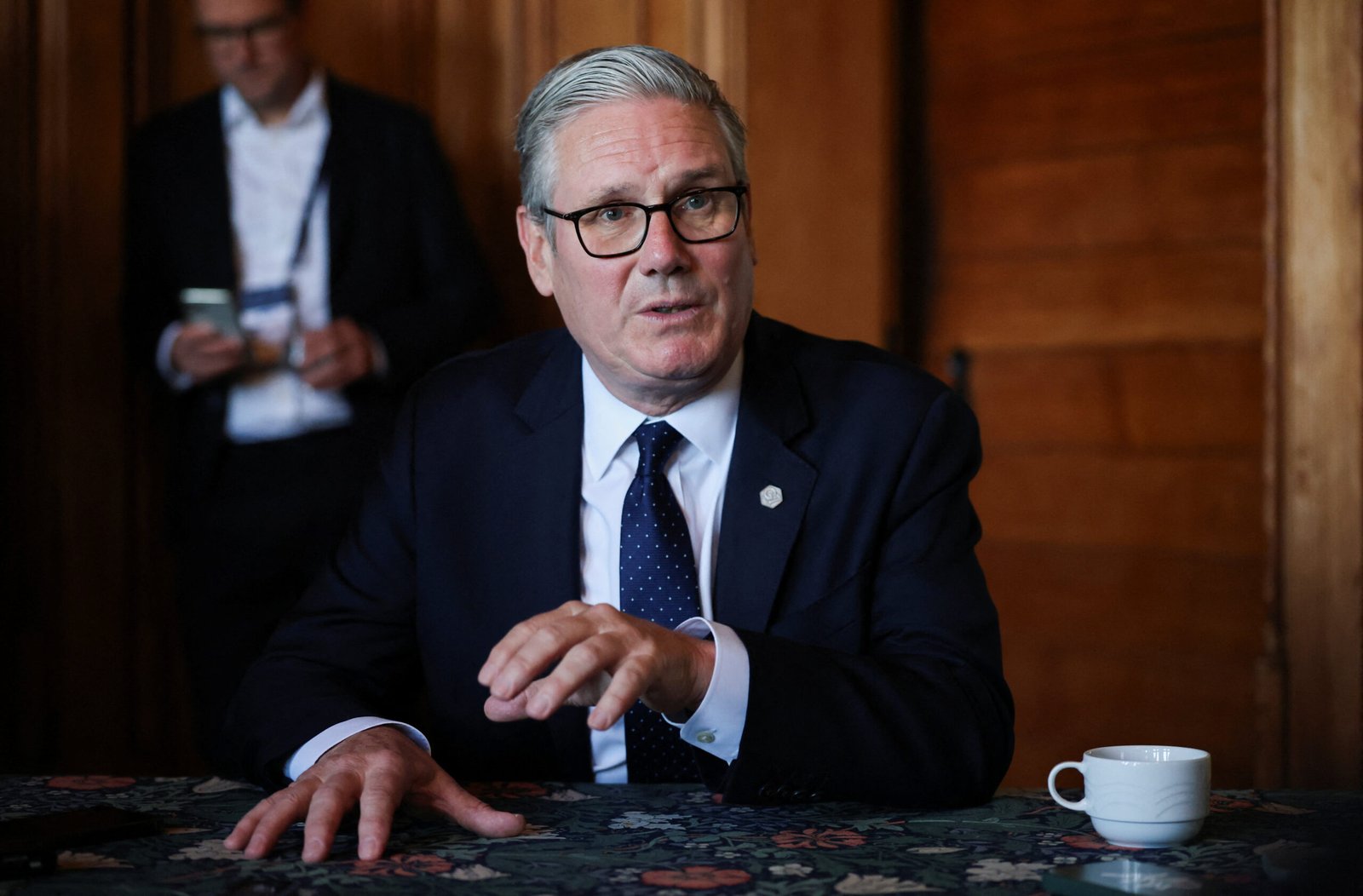
British Prime Minister Keir Starmer has announced his resignation as leader of the Labour Party, bringing an abrupt end to a political journey that carried the party from opposition back into government but later became overshadowed by internal divisions, declining public support and questions over his leadership direction.
Standing outside 10 Downing Street, Starmer delivered an emotional farewell speech in which he acknowledged that his parliamentary colleagues no longer believed he was the right person to lead Labour into the next general election. He said he accepted that decision and would oversee an orderly transition until a successor is chosen.
The announcement marks one of the most significant moments in recent British politics, creating uncertainty inside the governing party and opening a new battle over Labour’s future identity.
In his final remarks as Labour leader, Starmer reflected on his time in office, highlighting what he described as achievements including economic progress, higher wages, improvements in public services, workers’ rights reforms and efforts to address national challenges. He also thanked government staff, civil servants and his family, particularly his wife, whom he credited for supporting him during his political career.
However, behind the emotional farewell was a deeper political crisis that had been building for months.
Starmer entered Downing Street after Labour’s historic election victory in 2024, ending years of Conservative Party rule and returning Labour to power with a strong parliamentary majority. His victory was initially seen as a major political comeback for the party after its defeat under previous leadership.
But governing proved more difficult than winning the election.
The government faced criticism over economic pressures, immigration policy, public dissatisfaction and a perception among some voters and Labour members that the administration lacked a clear long-term vision. Internal disagreements intensified as some lawmakers questioned whether Starmer could rebuild public confidence before the next election
The pressure increased after disappointing political results and growing calls within Labour for a leadership change. Reports indicated that some senior figures believed the party needed a new direction to prevent further losses and challenge the growing influence of opposition forces.
The resignation also highlights a broader challenge facing traditional political parties in Britain. Labour and the Conservative Party have dominated British politics for generations, but recent years have seen increasing voter frustration, rising support for alternative movements and growing demands for different approaches to governance.
Also Read. US, Iran Launch Crucial Swiss Peace Talks
The leadership contest that follows will determine whether Labour continues with Starmer’s centrist approach or moves toward a different political strategy. Among the names discussed as potential successors is Andy Burnham, whose return to Westminster and growing support among Labour figures have placed him at the centre of leadership discussions.
Unlike presidential systems, Britain’s parliamentary structure means Starmer’s resignation does not automatically trigger a national election. Labour can choose a new leader who would become prime minister if they maintain the confidence of Parliament.
The transition will therefore be closely watched by financial markets, international allies and voters. Political uncertainty in Britain could influence economic confidence, government policy and the country’s role on global issues.
For Starmer personally, his departure represents a complex legacy. He successfully rebuilt Labour’s electoral strength and returned the party to power, but his leadership was ultimately tested by the difficult realities of governing and maintaining unity within a broad political movement.