MWE Correspondent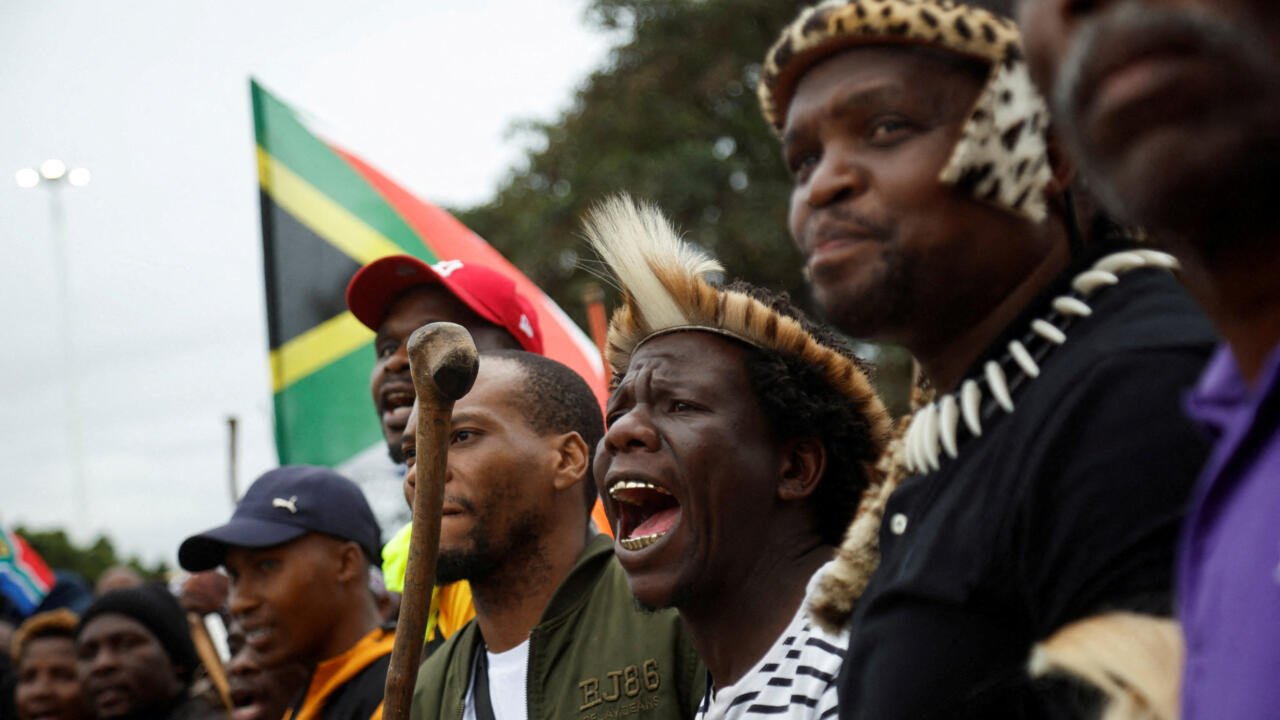
South African President Cyril Ramaphosa held urgent last-minute talks with leaders of a prominent anti-immigration movement on June 29, 2026, as the government stepped up security preparations ahead of nationwide demonstrations over undocumented migration.
The high-level meeting took place just hours before planned protests on June 30, amid growing concerns that the demonstrations could trigger violence in a country that has experienced repeated outbreaks of anti-immigrant unrest.
President Ramaphosa met leaders of the Insizwa Nobunsiza movement, including Ngizwe Mchunu and Nkosikhona Ndabandaba, urging them to ensure that protesters exercise their constitutional rights peacefully and refrain from acts of violence, intimidation or property destruction.
While reaffirming that South Africans have the right to demonstrate, Ramaphosa stressed that immigration enforcement remains the exclusive responsibility of the state.
“The government alone has the constitutional mandate to enforce immigration laws and manage migration-related matters,” he told the movement’s leaders, warning against any attempts by private groups to take the law into their own hands.
The meeting followed calls by anti-immigration organisations demanding that undocumented migrants leave South Africa by June 30, rhetoric that has heightened fears of possible attacks targeting foreign nationals.
In response, authorities deployed thousands of police officers across major cities and identified potential flashpoints as security agencies sought to prevent unrest.
Several African governments have also assisted some of their citizens who wished to return home, citing growing concerns over safety as tensions escalated.
The demonstrations come against a backdrop of longstanding debates over immigration in South Africa, where high unemployment, economic inequality and rising living costs have fuelled public frustration in parts of the country.
Also Read. East Africa’s $6 Billion Oil Pipeline Nears Finish
Foreign nationals have frequently become the focus of public anger, with critics accusing undocumented migrants of increasing pressure on jobs, housing and public services.
However, human rights organisations have repeatedly warned against blaming migrants for broader structural economic challenges, arguing that violence against foreign nationals violates both South African law and international human rights obligations.
South Africa has experienced several deadly waves of xenophobic violence over the past two decades, including major attacks in 2008, 2015 and 2019, during which dozens of people were killed, hundreds injured and thousands displaced.
Those incidents prompted international condemnation and strained diplomatic relations with several African countries whose citizens were among the victims.
The latest security operation reflects government efforts to prevent a repeat of those events while balancing citizens’ constitutional right to protest with the need to protect lives, businesses and public order.