MWE Correspondent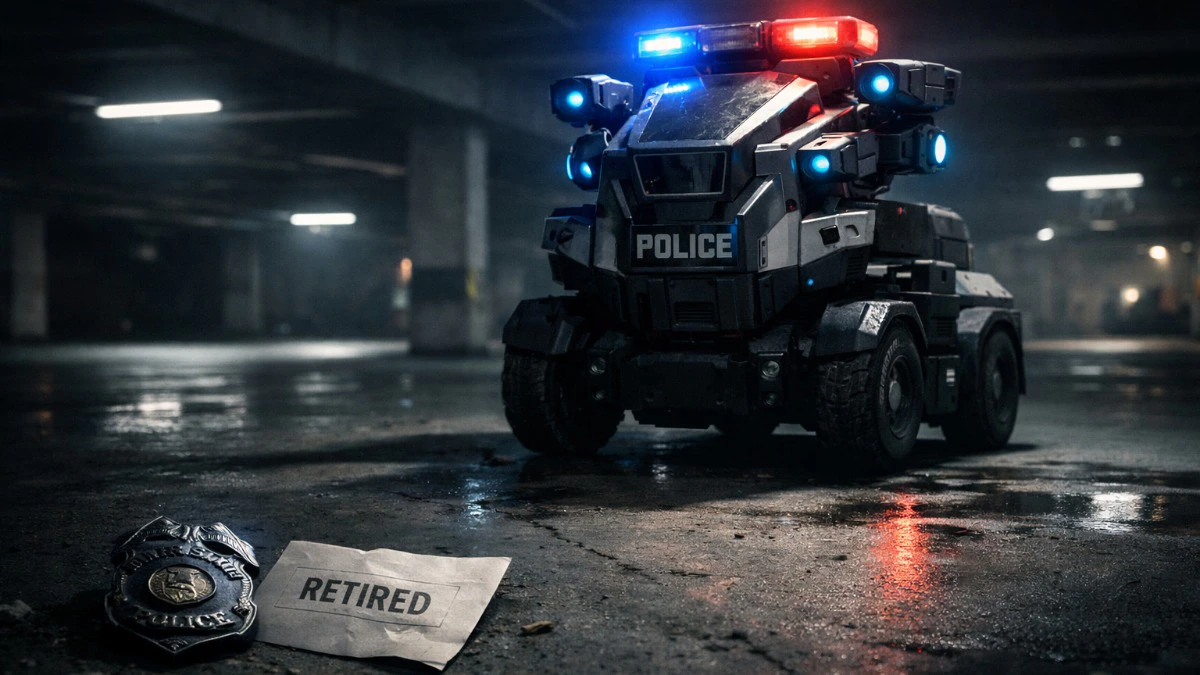
A security robot deployed in Dublin, Ohio, in the United States has been removed from service after 10 months of operation without recording any measurable contribution to crime prevention, arrests or public safety improvements, raising fresh questions about the effectiveness and cost of using artificial intelligence-powered machines in policing.
The robot, known locally as DubBot, was introduced as part of Dublin’s attempt to explore new technology-driven approaches to public safety. The autonomous patrol machine was designed to move through public areas, provide a visible security presence, record observations and assist law enforcement officers by monitoring surroundings.
However, after nearly a year of operation, city officials concluded that the experiment had failed to deliver the expected results. During its deployment, DubBot did not contribute to any arrests, issue any citations or identify any criminal incidents, according to reports on the programme’s performance.
The decision to discontinue the robot highlights a growing debate in cities around the world over whether advanced security technology can genuinely improve policing or whether it risks becoming an expensive alternative with limited practical value.
The city of Dublin invested more than $128,000 to acquire the robot from Knightscope, a company specializing in autonomous security robots. Following the termination of the programme, Knightscope agreed to refund approximately $60,500 as part of an agreement with the city.
Supporters of robotic policing have argued that such machines can provide continuous monitoring, reduce risks faced by human officers and help authorities collect information in crowded public spaces. Unlike human patrol officers, robots can operate for extended periods without fatigue and can be equipped with cameras, sensors and communication systems.
However, critics say the Dublin experience demonstrates the gap between technological promises and real-world results. They argue that a visible security device does not automatically translate into improved safety, especially when communities still depend on human judgment, investigation and interaction to prevent crime.
The DubBot case also reflects a wider global discussion about the role of artificial intelligence in law enforcement. Cities in the United States, Europe and Asia have experimented with robotic patrol systems, facial recognition tools and automated surveillance technologies as governments search for new ways to address security challenges.
Yet these technologies have faced criticism over effectiveness, cost, privacy concerns and public acceptance. Some residents question whether money spent on machines would be better invested in traditional policing, community programmes, mental health services and other crime-prevention strategies.
Also Read, US, Iran Launch Crucial Swiss Peace Talks
The Dublin experiment became particularly notable because of the contrast between expectations and outcomes. When the robot was introduced, officials presented it as an innovative step toward modernizing public safety. After its removal, the programme became an example of the challenges involved in integrating emerging technologies into everyday policing.
Online discussions about DubBot also produced humorous reactions, including jokes suggesting that the robot needed an upgrade to “accept bribes” because it had failed to produce results. However, such comments are only internet satire and do not represent any evidence of wrongdoing or corruption involving the machine or its manufacturer.
For Dublin officials, the decision to end the programme represents a reassessment of how technology should support public safety rather than replace traditional policing methods.
The experience serves as a cautionary lesson for governments and cities investing in artificial intelligence systems: innovation alone does not guarantee success. The true measure of any security technology remains whether it delivers practical benefits, improves safety and earns public confidence.
As cities continue experimenting with artificial intelligence and robotics, the story of DubBot may become part of a larger global debate over whether the future of policing belongs to machines — or whether technology must remain a supporting tool behind human expertise.