MWE Correspondent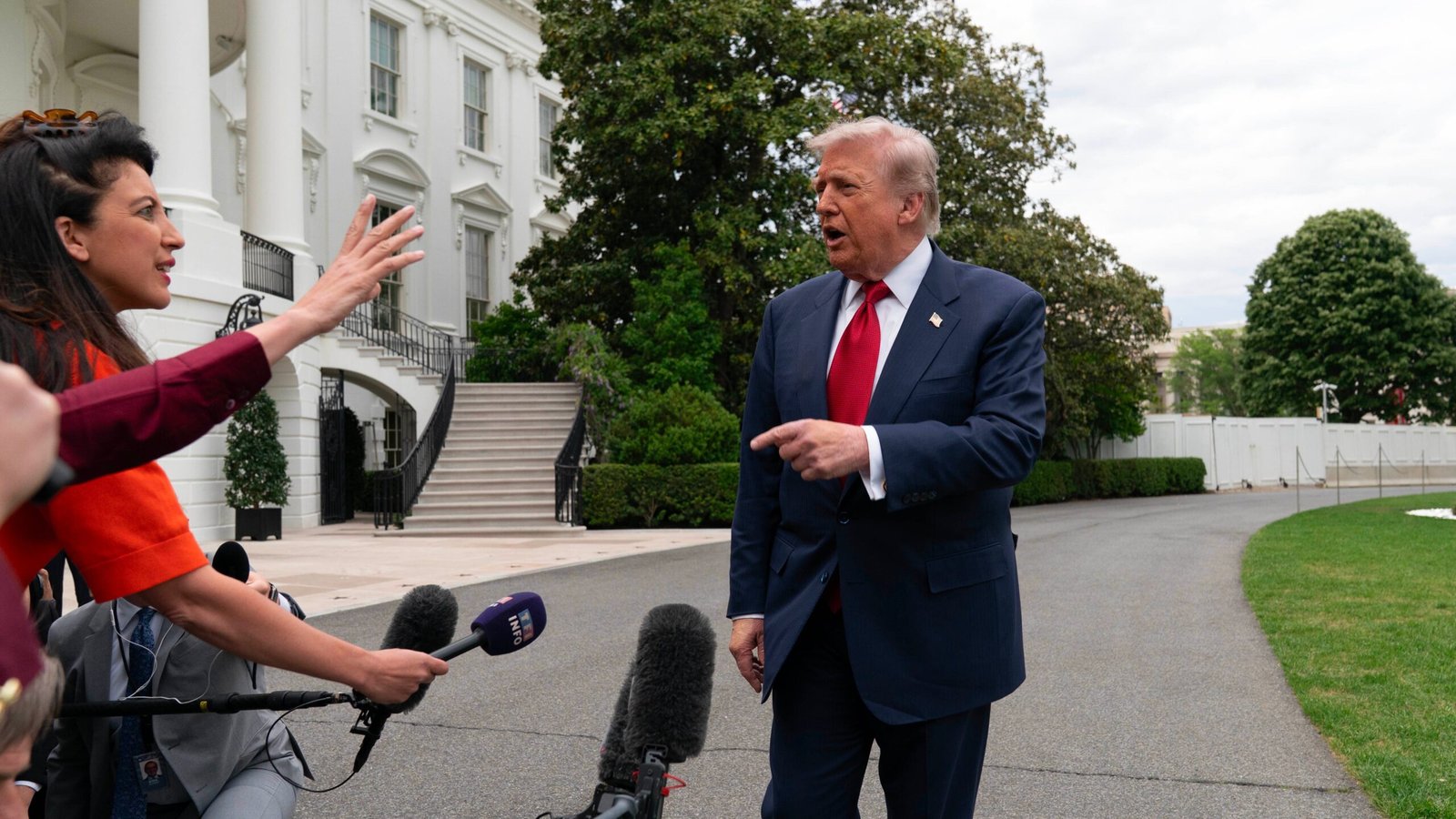
U.S. President Donald Trump has declared that the United States does not require China’s assistance to resolve the ongoing conflict involving Iran, reinforcing Washington’s hardline position as tensions in the Middle East continue to intensify.
Speaking amid mounting international concern over the expanding crisis, Trump said the United States remains fully capable of managing the situation independently, despite growing diplomatic calls for broader international mediation efforts aimed at preventing further escalation.
“We do not need China to solve this situation,” Trump said, signaling confidence in Washington’s current strategy while dismissing suggestions that Beijing could play a central mediating role in efforts to end the conflict.
His remarks come at a time of increasing geopolitical strain in the Gulf region, where the conflict involving Iran has raised fears of wider instability across global energy markets and international shipping routes.
Particular attention has focused on the Strait of Hormuz, one of the world’s most strategically important maritime corridors, through which a significant share of global oil exports passes daily. Reports indicating tighter Iranian control and heightened military activity in the area have intensified concerns among global markets and security analysts.
The waterway, located between Iran and the Arabian Peninsula, serves as a critical artery for energy supplies flowing from Gulf producers to international markets. Any prolonged disruption in the region could trigger major consequences for oil prices, global inflation and international trade.
Security experts warn that the continued militarization of the Strait of Hormuz increases the risk of confrontation involving regional and international naval forces operating in the area. Commercial shipping companies are also reportedly reviewing security measures as fears grow over potential attacks or disruptions targeting oil tankers and cargo vessels.
Also Read; Ghana Orders Emergency Evacuation From South Africa
Despite increasing pressure from the international community for de-escalation and renewed diplomatic engagement, there remains little indication of a breakthrough in negotiations between Washington and Tehran.
China, which maintains significant economic and energy ties with Iran, has repeatedly called for restraint and political dialogue, positioning itself as a potential diplomatic actor in the crisis. However, Trump’s latest comments suggest the White House is unwilling to rely on Beijing’s involvement in resolving the conflict.
Analysts say the president’s position reflects broader strategic rivalry between the United States and China, with both powers competing for influence across key geopolitical regions including the Middle East.
The continuing conflict has also deepened concerns about the global economic outlook, particularly for countries heavily dependent on imported energy supplies. Financial markets have reacted nervously to the instability, with investors closely monitoring developments around oil transportation routes and military activity in the Gulf.
As diplomatic efforts remain stalled, international observers warn that the absence of meaningful negotiations could prolong instability and increase the possibility of wider regional confrontation, further straining an already fragile global security environment.