MWE Correspondent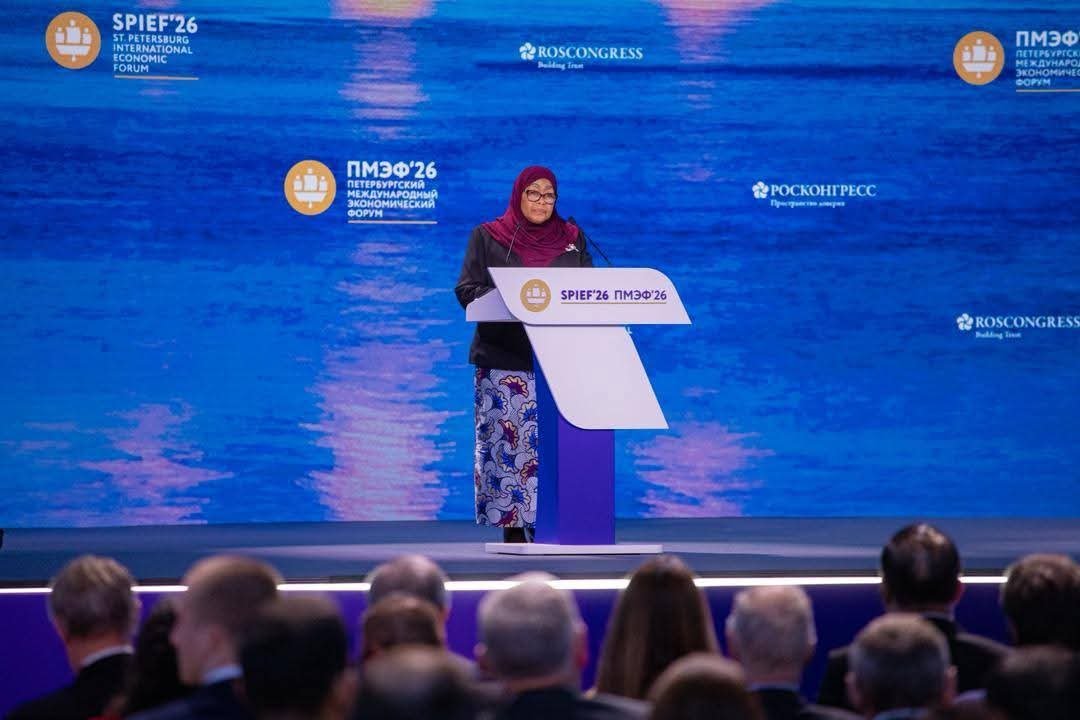
President Samia Suluhu Hassan has declared that Tanzania will continue expanding its development partnerships with Russia while maintaining strong relations with other international allies, emphasizing that the country remains free to pursue its national interests without external restrictions.
Speaking during her official visit to Russia, President Samia underscored Tanzania’s commitment to a foreign policy that prioritizes economic development, international cooperation, and mutually beneficial partnerships. She stressed that strengthening ties with Moscow does not come at the expense of relations with other global partners, but rather reflects Tanzania’s broader strategy of engaging with a diverse range of nations to advance its development goals.
The remarks come amid growing geopolitical competition among major world powers, as countries across Africa increasingly seek investment, technology, infrastructure financing, and trade opportunities from multiple international partners. Tanzania, one of East Africa’s fastest-growing economies, has sought to position itself as a nation that cooperates widely while maintaining an independent foreign policy.
President Samia noted that Tanzania has not been subjected to international sanctions or restrictions that would limit its ability to engage with countries of its choosing. As a result, the government remains free to pursue economic and diplomatic relationships that align with national priorities and contribute to long-term prosperity.
Her comments are likely to resonate beyond Tanzania, reflecting a broader trend among developing nations seeking to avoid being drawn into geopolitical rivalries. Rather than choosing between competing global powers, many countries are increasingly adopting pragmatic approaches focused on securing investment, trade, and development opportunities wherever they emerge.
During her engagements in Russia, President Samia promoted Tanzania as an attractive destination for international investment, highlighting the country’s political stability, improving infrastructure, favorable business environment, and strategic access to regional markets. She also emphasized opportunities in key sectors including agriculture, mining, energy, tourism, transportation, healthcare, and industrial development.
Analysts view Tanzania’s approach as part of a wider effort to diversify economic partnerships in an increasingly complex global environment. By maintaining constructive relations with multiple international actors, the country aims to reduce dependence on any single partner while maximizing opportunities for growth and development.
The visit to Russia has already produced notable announcements, including plans to strengthen economic cooperation and improve connectivity between the two countries. Tanzanian officials believe these developments could contribute to increased trade, tourism, investment flows, and knowledge exchange in the years ahead.
At a time when international politics is often characterized by strategic competition and shifting alliances, President Samia’s message was clear: Tanzania intends to engage openly with the world while safeguarding its sovereignty and pursuing development opportunities that benefit its people.
For Tanzania, the objective is not to align exclusively with one bloc or another, but to build partnerships based on shared interests, mutual respect, and economic progress. As the country continues its development journey, that approach may become an increasingly important element of its diplomatic and economic strategy on the global stage.