MWE Correspondent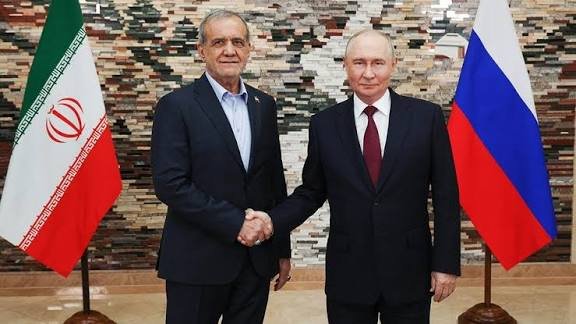
Russia has reportedly prepared a $1 billion loan for Iran, with some media reports suggesting the funding could represent the first instalment of a proposed $20 billion lending arrangement between Moscow and Tehran.
According to the reports, the funds are ready for transfer once Iranian authorities provide the required bank account details to complete the transaction. However, the reported arrangement and the status of the proposed loan have not been independently confirmed.
The development comes as Russia and Iran continue efforts to strengthen economic and financial cooperation while reducing their reliance on Western financial systems.
Both countries face extensive Western sanctions, which have restricted access to certain international financial institutions, banking services and payment networks. Their growing cooperation reflects a shared interest in developing alternative channels for trade and financial transactions.
For Tehran, access to additional financing could provide support for economic activities and investment at a time when US sanctions continue to place pressure on its financial sector. For Moscow, closer financial ties with Iran could help sustain bilateral trade and expand economic partnerships beyond Western markets.
Also Read: US Suspends Major Indian Tech Firms From Green Card Programme
The reported loan would also highlight the increasing importance of financial cooperation between countries seeking alternatives to Western-dominated financial infrastructure.
Washington has imposed sanctions on Russian and Iranian entities over a range of issues, including Russia’s war in Ukraine and Iran’s nuclear programme and other activities. US restrictions have also targeted financial institutions and transactions connected to sanctioned entities in both countries.
Such measures can complicate cross-border payments, increase compliance risks for banks and limit the ability of sanctioned organisations to access international financial services.
If the proposed financing proceeds, its implementation would depend on the loan’s final terms, the institutions involved and the mechanisms used to transfer the money.
The reported $20 billion proposal would represent a much larger financial commitment than the initial $1 billion, potentially signalling a deeper economic relationship between the two countries. However, the overall value, financing conditions and timeline remain unclear based on the information currently available.
Russia and Iran have expanded cooperation in areas including energy, transport, trade and regional security. Their relationship has gained additional significance as both governments seek to protect their economic interests amid sustained tensions with Western powers.
The reported loan could further strengthen that partnership, although its practical impact would depend on whether the funds are transferred and how they are ultimately used.
For the United States and its allies, deeper financial cooperation between Moscow and Tehran presents continuing challenges for sanctions enforcement. For Russia and Iran, the central objective is to maintain economic activity and financial connections despite restrictions imposed by Western governments.
The reported arrangement therefore illustrates the wider geopolitical contest over international finance, economic sovereignty and the effectiveness of sanctions as a foreign policy tool.