Joseph Isangura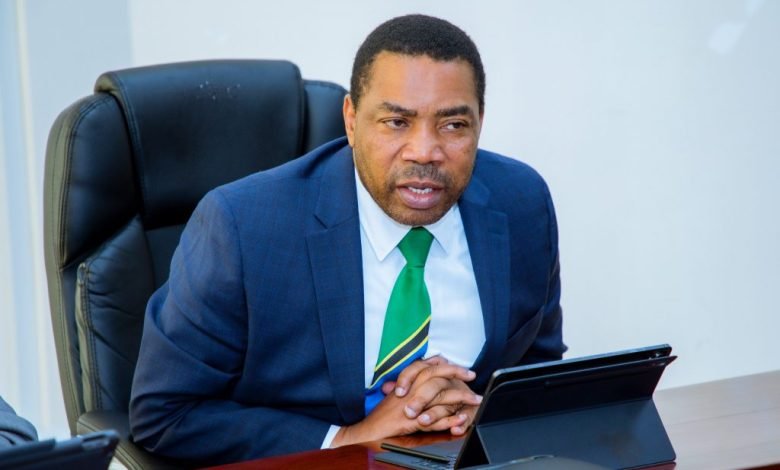
Kiswahili is steadily cementing its place as a global language, with celebrations marking the fifth World Kiswahili Language Day highlighting its expanding influence in diplomacy, education, trade and digital innovation.
This year’s commemorations, held at UNESCO headquarters in Paris, brought together government leaders, scholars, diplomats and language experts to discuss the next phase of Kiswahili’s international growth.
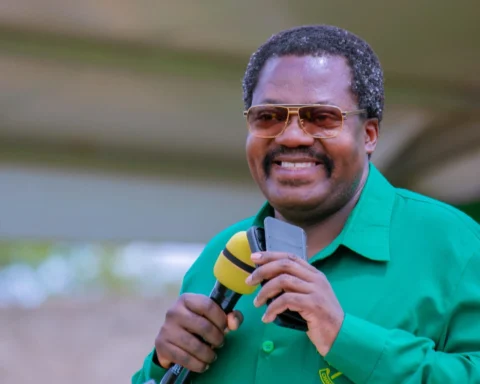
Representing President Samia Suluhu Hassan, Prime Minister Mwigulu Nchemba said Kiswahili’s growing international recognition should now be matched by practical strategies to expand its global footprint. He called for stronger investment in language education, translation, publishing, digital technologies, artificial intelligence and cultural diplomacy, noting that many countries have successfully promoted their languages through cultural institutions abroad. Tanzania, he said, will continue working with UNESCO, universities and international partners to strengthen Kiswahili’s global presence.
The celebrations extended beyond France. In Johannesburg, Tanzania’s Ambassador to South Africa, James Gillawa, led World Kiswahili Language Day commemorations at the Tanzanian Embassy, reaffirming the country’s commitment to working with institutions across southern Africa to expand the teaching and everyday use of Kiswahili as a language of regional integration and cultural exchange.
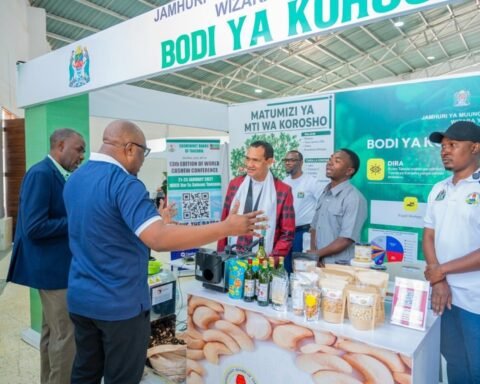
Back home, the spirit of Kiswahili was equally visible at the Dar es Salaam International Trade Fair, where thousands of visitors explored exhibitions from more than 25 countries. Beyond business and technology, the fair became a showcase of Tanzania’s cultural identity, with Kiswahili serving as the dominant language connecting exhibitors, investors and visitors from different backgrounds.
Among those attending the exhibition was Ramadhan Ali, who described the language’s international recognition as a source of pride for many Tanzanians. He said the increasing use of Kiswahili in global forums demonstrates that African languages can compete alongside the world’s major languages while opening new opportunities in tourism, commerce and international cooperation.
Elsewhere at the fair, Mariam Juma said young people should take advantage of the language’s growing global demand by pursuing careers in education, translation, broadcasting and diplomacy. She believes Kiswahili is becoming an important professional asset as more international institutions adopt African languages in their programmes.
Also Read, The Intelligence Race Reshaping The World
For Rose Joseph, the celebrations in Paris reflected decades of work by scholars, writers and policymakers to elevate Kiswahili beyond its traditional borders. She said continued investment in literature, film, music and digital content would help introduce the language to even wider audiences.
Meanwhile, entrepreneur Lucas Kiwangu said Kiswahili is increasingly supporting regional trade by enabling businesses to communicate more effectively across East and Central Africa. He noted that digital platforms, artificial intelligence and social media are accelerating the language’s global reach, particularly among younger generations.
Recognised by UNESCO as the first African language to have its own international day, Kiswahili is now spoken by more than 200 million people across Africa and beyond. From the conference halls of Paris to diplomatic events in Johannesburg and the vibrant atmosphere of Sabasaba in Dar es Salaam, this year’s celebrations underscored a common message: Kiswahili is no longer simply a regional lingua franca—it is emerging as one of Africa’s most influential global languages and a powerful symbol of the continent’s cultural identity and international aspirations.