MWE Correspondent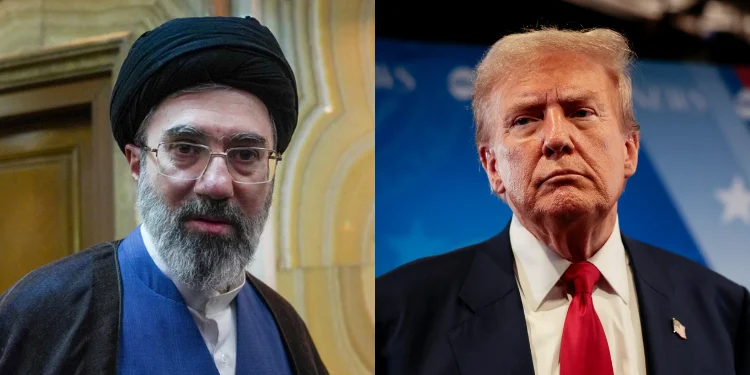
Iran has dismissed claims that it is preparing for a new round of negotiations with the United States, insisting that an upcoming visit by its representatives to Doha, Qatar, is focused solely on securing the release of billions of dollars in frozen Iranian assets rather than restarting diplomatic talks with Washington.
The statement from Iran’s Foreign Ministry came after U.S. President Donald Trump announced that American and Iranian representatives would hold fresh discussions in Doha, describing the proposed engagement as talks that “could be important.”
However, Tehran quickly rejected that characterization, saying there are no plans for direct negotiations in the immediate future and emphasizing that the delegation’s mission is limited to following up on the release of Iranian funds frozen abroad.
Iranian President Masoud Pezeshkian said that US$6 billion of the country’s approximately US$12 billion in blocked assets is expected to be released and made available to the Iranian government in the near future.
The anticipated release would provide a significant financial boost to Iran, whose economy has faced years of pressure from international sanctions, inflation and restricted access to global financial markets.
The conflicting statements from Washington and Tehran highlight the fragile state of relations between the two long-time adversaries, where even diplomatic contacts are often interpreted differently by each side.
Analysts say the disagreement suggests that while limited technical engagement may be taking place over financial issues, substantial political differences remain unresolved, particularly regarding Iran’s nuclear programme, regional security and sanctions.
At the same time, Iran’s Foreign Ministry responded to comments by French President Emmanuel Macron, asserting that any operations to remove naval mines or ensure maritime security in the Strait of Hormuz would be carried out exclusively by Iran.
The statement reflects Tehran’s longstanding position that security in the strategically vital waterway should remain under the responsibility of regional states rather than external powers.
Also Read, Tanzania’s Tax Revolution Reaches 8.4 Million
The Strait of Hormuz is one of the world’s most important maritime chokepoints, with roughly one-fifth of global oil shipments passing through the narrow channel each day. Any escalation in tensions there has the potential to disrupt international energy markets and affect global oil prices.
While the prospect of billions of dollars in released assets could ease some pressure on Iran’s economy, the latest exchange of statements demonstrates that diplomatic relations between Tehran and Washington remain highly sensitive.
For now, expectations of a broader political breakthrough appear limited, with both governments continuing to project sharply different narratives about the purpose of the Doha engagement.
As regional and global powers closely monitor developments, attention is likely to remain focused on whether the release of frozen assets can serve as a confidence-building measure or whether longstanding disputes will continue to overshadow efforts to reduce tensions in the Middle East.